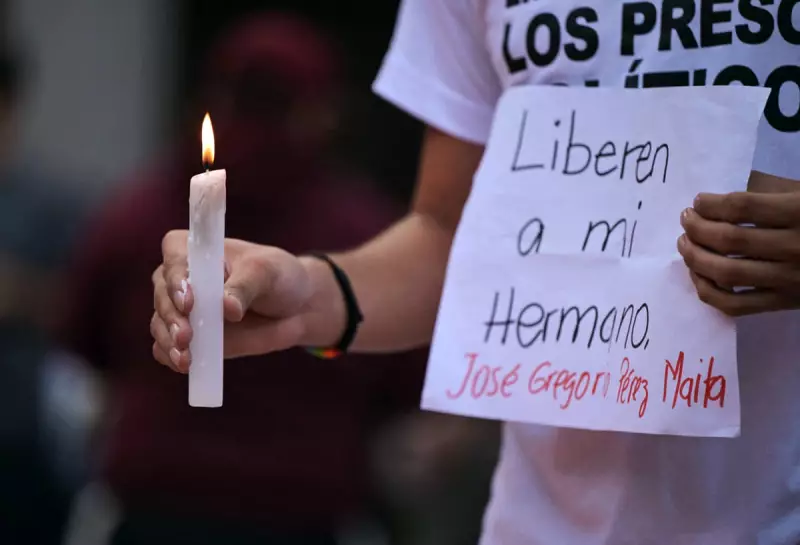
In a significant political development ahead of the 2025 presidential election, the Venezuelan government has released twenty individuals it had detained on charges deemed political by international observers. The move is seen as a major concession by the administration of President Nicolas Maduro.
A Calculated Gesture Ahead of the Polls
The release, confirmed on Friday, 26 December 2025, involves a group of activists, journalists, and opposition supporters. Among those freed is Javier Tarazona, a prominent human rights defender who had been imprisoned since July 2021. His organisation, Fundaredes, documented alleged human rights abuses and criminal activity along the Colombian border.
The prisoner release follows intense diplomatic pressure from international actors, including the United States and European Union. It is widely interpreted as a strategic manoeuvre by the Maduro government to ease sanctions and gain legitimacy for the upcoming electoral process. The US had previously signalled that further sanctions relief was contingent on concrete steps towards democratic integrity.
Details of the Release and Ongoing Concerns
Officially, Venezuela's attorney general, Tarek William Saab, stated the individuals were released after judicial reviews determined their detention was no longer necessary. He framed the action as a demonstration of the justice system's commitment to human rights.
However, human rights groups have responded with cautious scepticism. While welcoming the news, organisations like Amnesty International and Human Rights Watch were quick to note that hundreds of political prisoners are believed to remain in Venezuelan detention centres. They argue this single act does not resolve the systemic issue of politically motivated arrests used to stifle dissent.
The released prisoners faced a range of charges, including conspiracy, treason, and terrorism—accusations that critics say were fabricated to silence government opponents. Their cases had drawn widespread condemnation from the UN and various foreign governments.
Implications for Venezuela's Political Future
This development is set against the tense backdrop of the scheduled 2025 presidential election. The main opposition coalition, the Unitary Platform, has yet to confirm if it will participate, having faced years of bans on its leading candidates and institutional hurdles.
The prisoner release is a key demand from the opposition and the international community for creating a minimally fair electoral environment. Analysts suggest it could be a first step in a negotiated roadmap towards the election, potentially involving further guarantees for opposition candidates and international observers.
The ultimate impact of this gesture hinges on whether it is followed by more substantive democratic reforms. If not, it risks being viewed as a superficial tactic to secure economic relief without genuine political change. The world will be watching closely to see if this marks a turning point or merely a temporary pause in Venezuela's long-running political crisis.