Significant Progress in US-Iran Nuclear Talks, But No Deal Reached
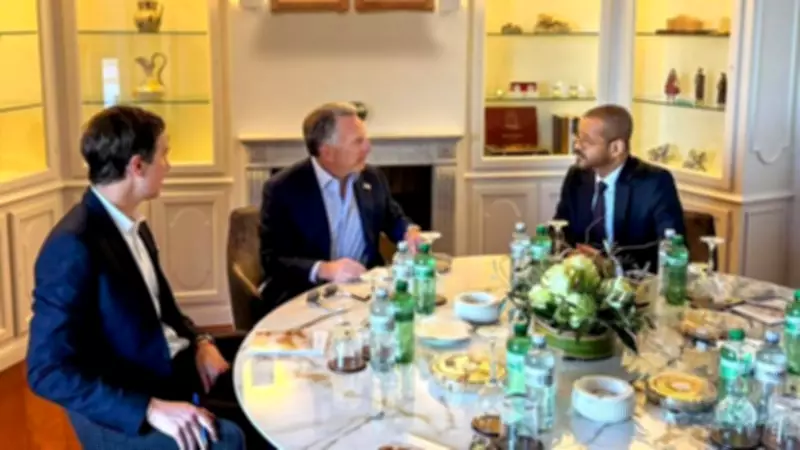
Indirect talks between the United States and Iran over Tehran's nuclear programme concluded in Geneva on Thursday without a deal, but with notable advancements described as "significant progress" by mediators. The negotiations, facilitated by Oman's Foreign Minister Badr al-Busaidi, are set to resume at a technical level in Vienna next week, as both sides navigate escalating regional tensions and a substantial US military presence in the Middle East.
Diplomatic Efforts Amidst Heightened Tensions
US President Donald Trump aims to secure an agreement restricting Iran's nuclear activities, leveraging the ongoing turmoil within Iran. However, Tehran has remained resolute, with state media affirming its commitment to uranium enrichment—a critical step for nuclear weapons development—and rejecting proposals to transfer materials abroad or lift international sanctions. The talks, which included US Special Envoy Steve Witkoff and Iranian Foreign Minister Abbas Araghchi, focused on nuclear issues, though the US also pushed for discussions on Iran's ballistic missiles and regional proxies, topics Iran declined to address.
Mediator al-Busaidi confirmed that discussions "will resume soon," with technical negotiations scheduled in Vienna, home to the International Atomic Energy Agency, which is expected to play a pivotal role in any potential agreement. This development follows a period of intense military posturing, including a large US fleet deployment to the region after widespread protests in Iran, and threats of retaliation from Tehran targeting US bases and Israel if attacked.
Prospect of War Diminishing, For Now
While the talks ended inconclusively, the absence of a complete breakdown has temporarily reduced the likelihood of military conflict. Experts note that the continuation of diplomacy, albeit at a technical level, indicates common ground, particularly on uranium enrichment—a key sticking point where Trump demands a halt and Iran asserts its rights for peaceful purposes. Ali Vaez of the International Crisis Group highlighted that the US delegation's decision not to walk away immediately after receiving Iran's proposal is a positive sign, suggesting enough alignment to warrant further dialogue.
Nevertheless, uncertainties persist. President Trump's unpredictable nature and potential impatience with prolonged negotiations could still derail progress. The Iranian delegation presented its latest proposal, with Araghchi describing the talks as among Iran's "most intense and longest rounds of negotiations," though specifics of Tehran's demands remain undisclosed. The White House has yet to comment on Thursday's session, leaving the diplomatic outcome hanging in the balance as both sides prepare for next week's crucial discussions in Vienna.