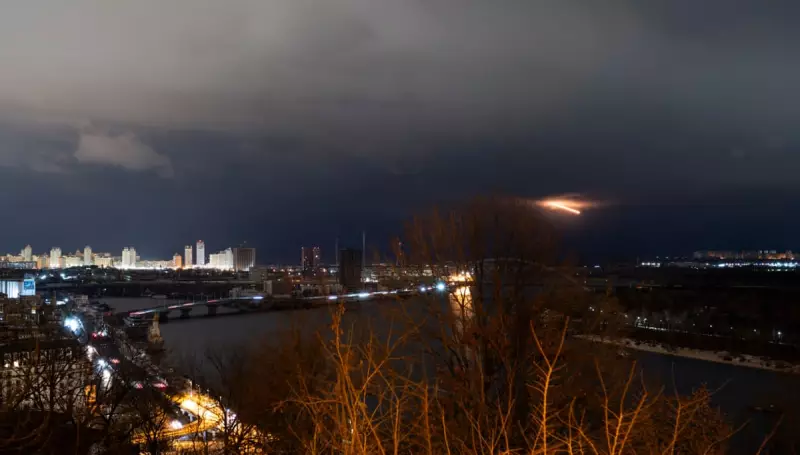
Ukrainian President Volodymyr Zelenskyy is set for a crucial weekend of high-stakes diplomacy with European leaders and former US President Donald Trump, even as the capital Kyiv reels from a major Russian missile bombardment. The flurry of talks, aimed at refining a potential peace plan, comes against a stark backdrop of renewed violence.
Weekend of Diplomacy Amidst Escalating Violence
The diplomatic push begins on Saturday with a call involving Zelenskyy, Trump, and European Commission President Ursula von der Leyen. This will be followed by a pivotal face-to-face meeting between the Ukrainian leader and Trump in Florida on Sunday. Zelenskyy stated the Sunday summit is "specifically intended to refine things as much as we possibly can" regarding a proposed peace agreement.
He revealed the 20-point plan is currently "90% ready," with the goal of reaching 100%. "As of today, our teams – the Ukrainian and American negotiating teams – have made significant progress," Zelenskyy said on Friday. Key issues on the table include security guarantees for Ukraine, post-war reconstruction, and the contentious status of territories like the Donbas region and the Zaporizhzhia nuclear plant.
Kyiv Rocked by Hypersonic Missile Barrage
As politicians prepared for talks, the reality of war struck Kyiv in the early hours of Saturday. The city was targeted by what reports indicate was a mixed salvo of advanced Russian missiles, including Kinzhal hypersonic missiles, Iskander ballistic missiles, and Kalibr cruise missiles.
The attack caused significant damage and casualties. At least eleven people were injured, including two children, according to local officials. Strikes hit seven locations across the capital, igniting fires in multiple districts.
A fire broke out in an 18-storey residential building in the Dnipro district, and a 24-storey block in Darnytsia was also struck. Further blazes were reported in the Obolonskyi and Holosiivsky districts. The assault triggered a countrywide air alert and forced the temporary closure of two airports in south-eastern Poland, with Polish fighter jets scrambled in response.
Sticking Points and Political Maneuvering
The latest peace efforts follow secretive talks in Miami last weekend involving Trump's envoy. The current proposal is seen as an update to an earlier document negotiated between US and Russian officials, a plan many viewed as favouring Kremlin demands.
Ukraine insists any deal must include security guarantees modelled on NATO's Article 5 mutual defence clause. In a notable condition, Zelenskyy has indicated he is willing to hold a referendum on the final peace plan if Russia agrees to a ceasefire of at least 60 days, particularly if territorial compromises are involved.
Political reactions highlight the deal's fragility. Trump, ahead of the meeting, offered no endorsement, telling Politico, "He doesn't have anything until I approve it. So we'll see what he's got." Meanwhile, Russian Deputy Foreign Minister Sergei Ryabkov criticised Zelenskyy and EU allies, accusing them of trying to "torpedo" an agreement and stating the Ukrainian-input proposal "differs radically" from earlier US-Russia drafts.
The weekend's events starkly juxtapose the intense behind-the-scenes negotiations for peace with the relentless and deadly reality of war continuing on the ground in Ukraine.