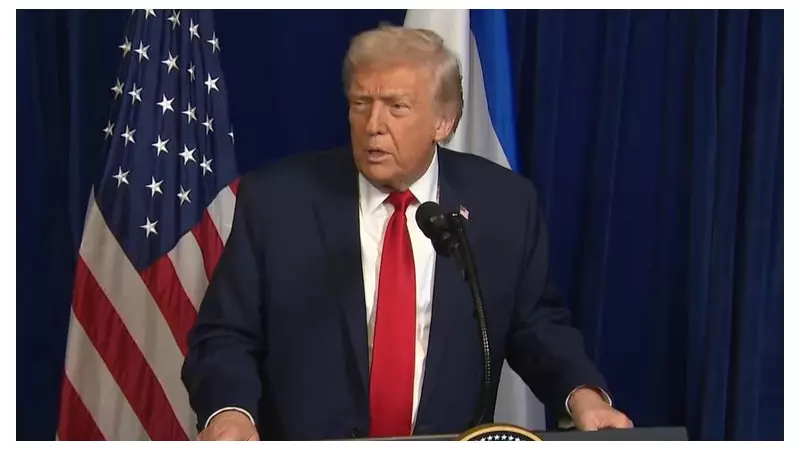
The final days of December 2025 saw a diplomatic spectacle unfold at Mar-a-Lago, as former President Donald Trump hosted two wartime leaders in a head-spinning series of meetings that left observers with more questions than answers.
Netanyahu's Mission Accomplished
Israeli Prime Minister Benjamin Netanyahu's visit on Tuesday 30 December was described by his own spokesman as "an outstanding meeting." For the Israeli leader, the trip to Palm Beach appeared to yield concrete results, securing a series of crucial commitments from Trump.
According to analysis, Netanyahu secured a promise that the US would bomb Iran again if intelligence concluded it was rearming. Trump also placed full blame for the faltering Gaza ceasefire on Hamas, praised Netanyahu's wartime leadership lavishly, and made the startling public suggestion that the Israeli Prime Minister should be pardoned in his ongoing corruption case.
Yet, intriguing divergences emerged. Trump expressed a desire to thaw relations between Israel and Syria's new president, a monumental task. He also voiced concern about settler violence and expansion in the West Bank, issues that threaten his own vision for the region.
Zelenskyy's Plea and Putin's Shadow
A day earlier, on Monday, Ukrainian President Volodymyr Zelenskyy made the journey from his war-torn nation to the opulence of Mar-a-Lago. Ukrainian officials reported leaving "very pleased" with security guarantees offered by Trump, though critical details about the duration and trustworthiness of those promises were glossed over.
The meeting was bookended by two phone calls between Trump and Russian President Vladimir Putin. After the second call, Trump announced that Putin had claimed Ukraine attacked one of his homes with drones—an allegation Kyiv had already dismissed as a lie and a potential false-flag operation. Trump's tone suggested he was inclined to believe the Russian leader's version of events, echoing his controversial stance during his first term.
Surprises and Casual Threats
The two days were punctuated by impromptu news conferences where Trump dominated the conversation, dropping significant revelations almost casually. He confirmed he had ordered an attack on a "big facility" in Venezuela, marking a significant escalation as the first American land attack on the country.
When questioned about a massive Chinese military rehearsal simulating a blockade of Taiwan, Trump's response was characteristically dismissive: "Nothing worries me." This blasé attitude towards a major geopolitical flashpoint left analysts wondering whether it was strategic calm or genuine apathy.
The Road to 2026
With the US midterm elections looming in November 2026, Trump faces pressure to focus on domestic issues like the economy and cost of living. However, these two days demonstrated his continued, unpredictable engagement on the world stage. The key question now is how America's adversaries and allies will gamble in the coming year, calculating whether Trump's dramatic statements will translate into action or remain theatrical hot air.
The whirlwind of promises, threats, and surprises at Mar-a-Lago provided a fittingly chaotic end to the year, setting the stage for a potentially volatile 2026 in global affairs.