The Israeli government has formally objected to several world leaders selected by the White House to join a proposed 'board of peace' for Gaza, a body intended to temporarily oversee the administration and reconstruction of the war-torn strip.
Dispute Over Key Appointments
Over the past two days, the White House announced a series of appointments and invitations to the new organisation. The list includes Turkish President Recep Tayyip Erdoğan, Egyptian President Abdel Fattah el-Sisi, former UK Prime Minister Tony Blair, and Argentina's President Javier Milei.
Israel stated that some of these appointments were "not coordinated with Israel and were contrary to its policy". Officials did not specify which individuals they objected to. In response, Israeli Prime Minister Benjamin Netanyahu has instructed his foreign minister to contact US Secretary of State Marco Rubio regarding the matter.
The Board's Proposed Role and Structure
The board is a central part of a 20-point plan by former US President Donald Trump to end the conflict in Gaza. Trump described the group on Thursday as the "greatest and most prestigious board ever assembled, at any time, any place". Its stated purpose is to temporarily govern Gaza, replacing Hamas's authority.
The exact composition remains fluid, but two separate governing boards have been outlined:
- The "founding executive board" will concentrate on investment and foreign relations. Its seven members include Secretary of State Marco Rubio, US special envoy Steve Witkoff, Trump's son-in-law Jared Kushner, and Tony Blair, with Trump serving as chair.
- The "Gaza executive board" will oversee the National Committee for the Administration of Gaza (NCAG), which is tasked with day-to-day affairs in the territory.
Tony Blair has accepted his role, thanking Trump and stating the NCAG represents a "massive step forward" that offers hope for a secure future. It is unclear if all invitees, including Presidents Sisi and Erdogan, have accepted.
Gaza's Dire Humanitarian Crisis Continues
This political manoeuvring unfolds against a backdrop of severe and ongoing humanitarian suffering in Gaza. Despite a nominal ceasefire announced in October, at least 463 Palestinians have been killed in Gaza since the truce began.
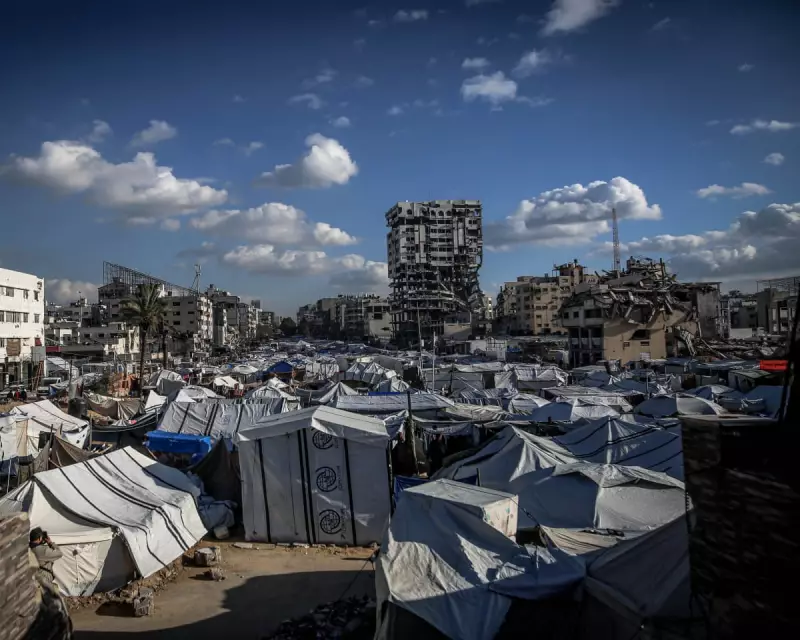
Israel continues to restrict the flow of food and other essential aid into the strip, where hunger is widespread. Most of the population lives in inadequate housing, with frayed tents offering little protection. This winter, eight Palestinians, including a 27-day-old baby, have died from hypothermia during harsh cold snaps.
The proposed board would also be responsible for overseeing the reconstruction of Gaza, where most infrastructure has been destroyed by Israeli military action during a war that has killed more than 71,000 Palestinians.
The US-drafted ceasefire plan is now in its second phase, which involves contentious issues like the disarmament of Hamas and the deployment of an international security force—a force Israel has previously opposed including Turkey within.