In a historic diplomatic breakthrough, the State of Israel has become the first nation in the world to formally recognise the Republic of Somaliland as a sovereign state. This momentous decision comes more than three decades after Somaliland declared its independence from Somalia in 1991.
A Diplomatic Milestone Decades in the Making
The announcement was made by Israeli Foreign Minister Gideon Sa'ar on Friday. He confirmed that the two entities had signed an agreement to establish full diplomatic relations, which will include the opening of embassies and the exchange of ambassadors. This recognition marks the culmination of a year of bilateral talks and represents a significant victory for Somaliland's long quest for international legitimacy.
Israeli Prime Minister Benjamin Netanyahu held a video call with Somaliland's President, Abdirahman Mohamed Abdullahi, to formalise the new relationship. In the call, Netanyahu extended an invitation for the president to visit Israel, describing the burgeoning friendship as "historic." President Abdullahi responded that he would be "glad to be in Jerusalem as soon as possible."
Strategic Interests and International Backlash
The Israeli Prime Minister's office framed the declaration as being "in the spirit" of the 2020 Abraham Accords, the normalisation agreements between Israel and several Arab states. However, the move has not been welcomed universally. Both Egypt and Turkey issued strong condemnations. Turkey accused Israel of pursuing an expansionist policy and interfering in Somalia's domestic affairs, suggesting the recognition was designed to obstruct Palestinian statehood ambitions.
Analysts point to clear strategic motivations behind Israel's decision. Somaliland's strategic location, proximate to Yemen, is of particular interest. Israel has conducted numerous airstrikes against Houthi rebel targets in Yemen over the past two years. A November report from Israel's Institute for National Security Studies suggested Somaliland could serve as a valuable forward base for intelligence monitoring, logistical support, and direct operations concerning Yemen.
This strategic value is already recognised by other regional players. The United Arab Emirates operates a significant military base in the Somaliland port city of Berbera, complete with a port and airstrip, which is considered central to anti-Houthi efforts.
The Road to Recognition and Future Prospects
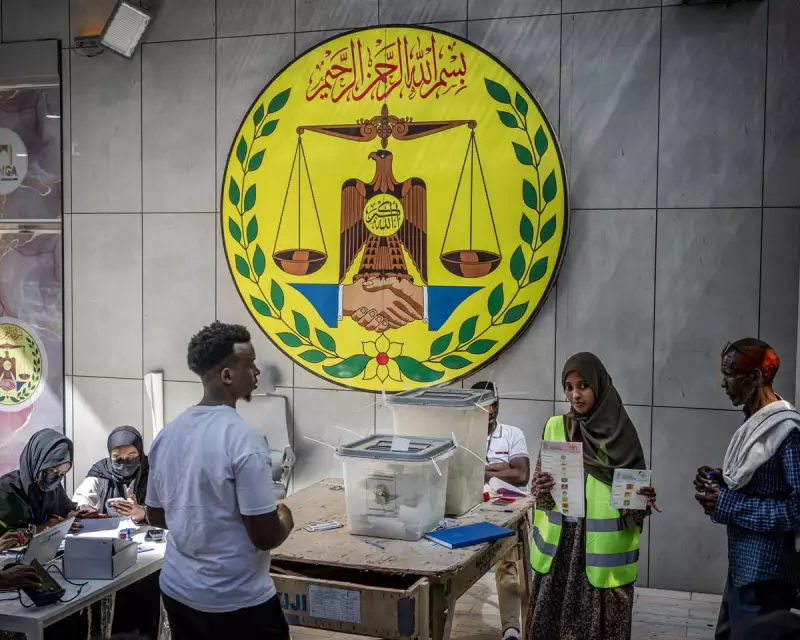
Somaliland, with a population of just over 6.2 million, functions as a de facto state in northwestern Somalia. It has maintained relative stability and held democratic elections, including a presidential vote in 2024 monitored by electoral commission officials in the capital, Hargeisa. However, organisations like Freedom House have noted an erosion of political rights and press freedoms in recent years.
The prospect of wider international recognition has been gaining traction. Somaliland's president revealed in May that senior U.S. military officials had visited, with more delegations expected. The policy blueprint known as Project 2025, linked to Donald Trump's political circle, explicitly called for U.S. recognition of Somaliland as a counterbalance to growing Chinese influence in Djibouti. Furthermore, U.S. Senator Ted Cruz urged Trump to take this step, noting Somaliland's support for Israel and the Abraham Accords.
Nevertheless, the path forward is complex. The U.S. administration remains reportedly divided, with some officials fearing that recognising Somaliland could jeopardise critical military cooperation with the Federal Government of Somalia in the fight against the al-Shabaab militant group.
Israel's groundbreaking recognition has irrevocably altered the diplomatic landscape of the Horn of Africa, offering Somaliland its first major step onto the world stage while intensifying regional geopolitical tensions.