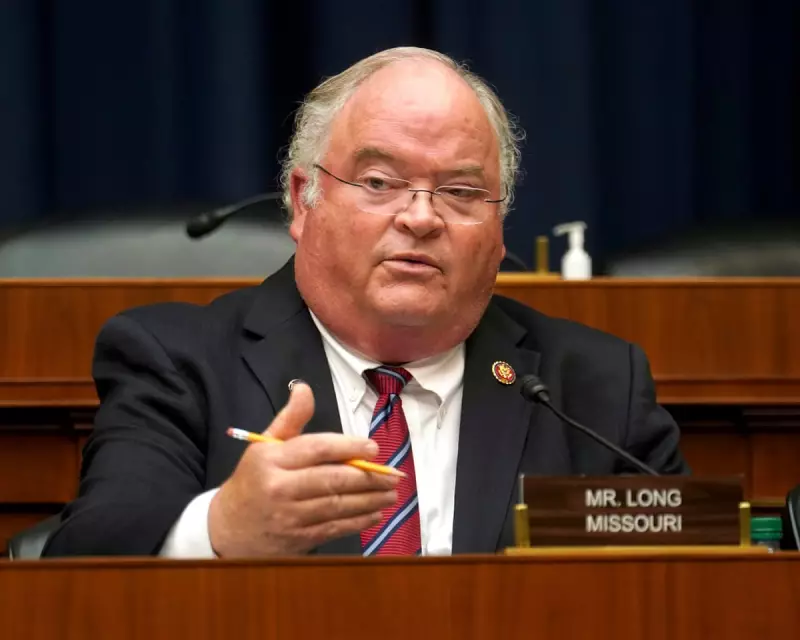
Iceland has been plunged into a diplomatic row following controversial remarks by Donald Trump's nominee for US ambassador to the country, Billy Long. The former Missouri congressman reportedly joked that Iceland should become the '52nd state' of America, prompting a swift and angry backlash in the Nordic nation.
Petition and Official Outrage
The incident, first reported by Politico, sparked immediate concern in Reykjavík. More than 3,200 people swiftly signed a petition calling on Iceland's Foreign Minister, Katrín Gunnarsdóttir, to reject Long's nomination. The petition argued the comments, even if made in jest, were offensive to a nation that has fiercely guarded its sovereignty and been a longstanding friend to the United States.
Iceland's foreign ministry confirmed it had contacted the US embassy seeking clarification on the alleged comments. The timing of the joke was particularly sensitive, coming just hours before top officials from Greenland and Denmark were due to meet with US representatives to discuss Trump's previous threats regarding the Arctic island.
Apology and Dismissal
Facing mounting criticism, Billy Long issued an apology in an interview with the news outlet Arctic Today. He claimed the remarks were made light-heartedly among friends who were joking about Jeff Landry, Trump's special envoy to Greenland. "There was nothing serious about that," Long stated, adding, "if anyone took offence to it, then I apologise."
He insisted the comments should not be taken seriously and expressed his eagerness to work with the people of Iceland. However, the apology did little to quell the unease among Icelandic politicians and the public.
A Serious Matter for a Small Nation
Sigmar Guðmundsson, an MP from Iceland's governing Liberal Reform party, described the quip as "not a particularly funny joke." He emphasised the gravity of the situation for a small country, telling Morgunblaðið newspaper that the security arguments the US cites for Greenland equally apply to Iceland due to their strategic locations.
Guðmundsson interpreted the episode as a sign of growing disrespect in the US towards the sovereignty of smaller states. He urged Icelanders to have the courage to openly discuss where their security interests lie in a changing world, despite the nation's traditionally strong ties with Washington through NATO.
The controversy highlights the delicate nature of diplomatic appointments and how offhand remarks can escalate into significant international incidents, straining alliances and public perception.