The Strategic Role of US Military Bases on British Soil
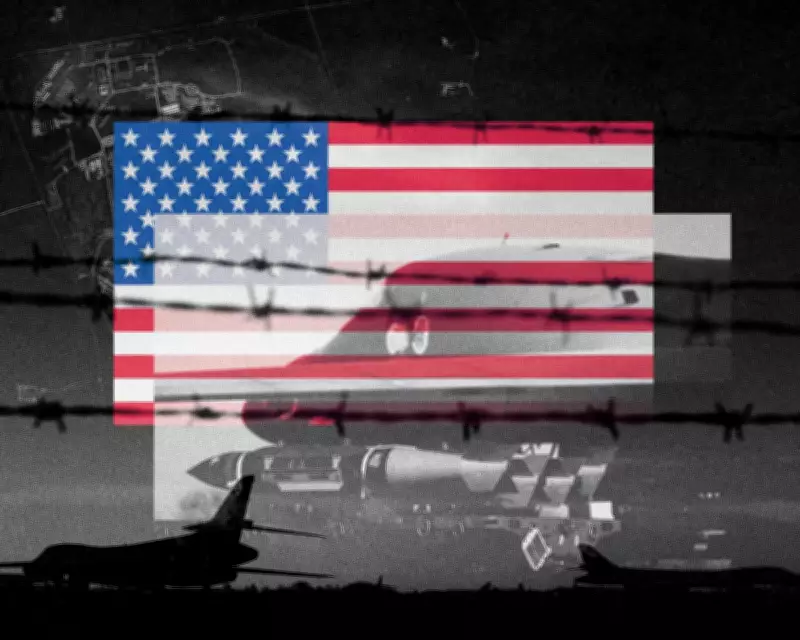
The American military presence in the United Kingdom, consisting of at least 15 bases and facilities, serves as a cornerstone for US global military and intelligence operations. These installations, often misleadingly named with "Royal Air Force" prefixes, are under the operational control of the US president and commander-in-chief, hosting over 12,000 US military personnel. They provide critical infrastructure, including launch sites for heavy bombers and hubs for electronic eavesdropping, playing a pivotal role in recent conflicts such as the war with Iran.
Key Bases and Their Functions
Major bases like RAF Croughton in Northamptonshire act as vital communications centers, relaying top-secret information to US agencies, while RAF Fairford in Gloucestershire boasts a reinforced runway nearly 2 miles long, enabling B-1 and B-52 bombers to carry out missions with reduced travel distances to targets in Iran. RAF Mildenhall in Suffolk supports aerial refueling operations, and RAF Lakenheath, the largest US base in the UK with over 6,000 personnel, hosts fighter jet squadrons and is suspected of storing nuclear weapons again after their removal in 2008.
RAF Menwith Hill in Yorkshire, operated by the National Security Agency (NSA), features iconic radomes for global eavesdropping, particularly focused on the Middle East. These bases not only enhance US military capabilities but also include amenities like bowling alleys and Burger King outlets, blending home comforts with high-security operations.
Political and Diplomatic Implications
The presence of these bases has sparked rare political scrutiny, especially amid tensions with Iran. British Prime Minister Keir Starmer has emphasized that their use should be limited to defensive purposes, yet the extent of UK control remains ambiguous. Historical agreements, such as the 1948 communique between Winston Churchill and Harry Truman, outline joint decision-making in emergencies, but secret classified agreements add layers of opacity.
Critics, including Green party leader Zack Polanski, advocate for reconsidering the US-UK military alliance, questioning the bases' role in potential war crimes and the erosion of the special relationship under former US President Donald Trump. Diplomatic strains have led other countries, like Spain and Italy, to restrict US base usage, highlighting the fragility of such arrangements.
Global Network and Future Outlook
These UK bases are part of a vast global network of 566 US military sites, with Britain ranking fourth in number after Germany, Japan, and Italy. Geography often dictates their strategic importance, as seen with Al-Udeid airbase in Qatar. However, maintaining access relies heavily on diplomatic relations, which have been tested by Trump's confrontational style and threats to relocate assets to more supportive nations like Poland or Greece.
As debates over sovereignty and security intensify, the future of US bases in the UK hinges on evolving political dynamics and the need for transparency in their operations, ensuring they align with both national and international legal standards.