US-Israel Iran War Unleashes Chaos Amid Criticisms of Shoddy Planning
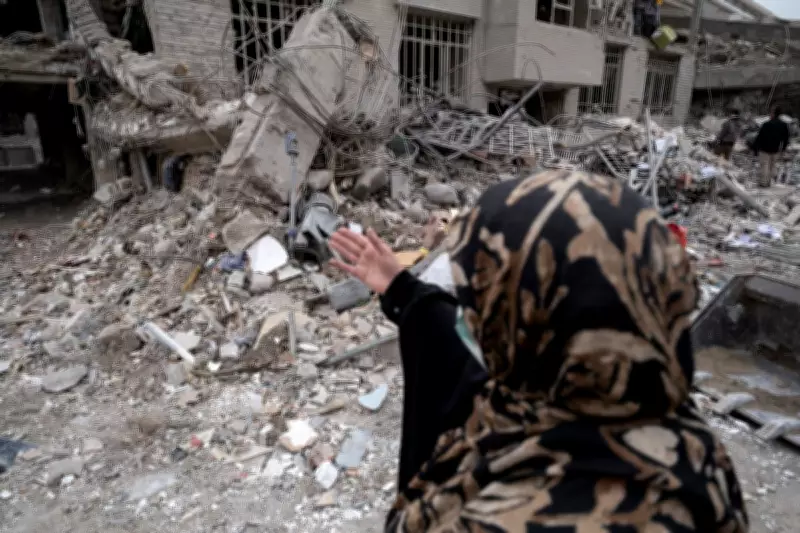
The US-Israeli military campaign in Iran, launched in March 2026, has quickly spiraled into a chaotic conflict, with experts warning that the absence of a coherent war plan could hamstring American military capabilities for decades. As Donald Trump's administration pursued regime change in Tehran, the reality of a large-scale intervention has exposed significant flaws in preparation and strategy.
High Casualties and Costly Strikes Mark Early Days of Conflict
In the opening salvos, a US Tomahawk missile struck a girls' school in Tehran, killing 175 people due to outdated targeting data. Simultaneously, Iran's counterattacks resulted in a drone hitting a makeshift US command center in Kuwait, killing six troops and wounding dozens more. The financial toll has been staggering, with the Pentagon reporting costs of $11.3 billion in just the first six days, not accounting for broader economic impacts from Iran's closure of the Strait of Hormuz, which has driven oil prices above $100 a barrel.
Critics Highlight Lack of Clear Objectives and Erratic Decision-Making
Philip Gordon, former national security adviser, noted that past administrations had extensively war-gamed Iran scenarios but faced similar challenges, such as regional escalation and oil supply disruptions. He criticized the Trump administration's surprise at the chaos, stating, "It is surprising that Trump is surprised." Michael Rubin, a senior fellow at the American Enterprise Institute, emphasized that while military planning has been effective, the lack of a defined goal is a critical failure. "The United States has this backwards. We have the targeting, but we don't have a clear goal," he said.
Shifting Aims and Small-Circle Decision-Making Exacerbate Crisis
The US mission's objectives have fluctuated from supporting Iranian protesters to eliminating nuclear programs and ballistic missiles, now focusing on reopening the Strait of Hormuz. This inconsistency has allowed Iran to dictate terms, potentially dragging the US into a prolonged conflict. The Trump administration's closed decision-making process, which gutted agencies like the National Security Council and State Department, has left key operations, such as citizen evacuations, unprepared. Mara Karlin, a former assistant secretary of defence, remarked, "Obviously I understand the need for operational security, but you have also got to set certain pieces in place."
Long-Term Implications for US Military Power and Global Stability
As resources are diverted from other theaters like Asia to contend with the expanding war, experts warn of overextension. Jennifer Kavanagh of Defense Priorities predicted, "The long-term effects of this will be just dumping US military power down the drain... I think that the implications of this are going to last for decades." With no clear plan for Iran's future governance and Trump conceding that regime change is unlikely short-term, the conflict threatens to destabilize the Middle East further, underscoring the perils of impulsive military interventions without strategic foresight.