
US Counterterrorism Director Resigns with Scathing Critique of Iran War
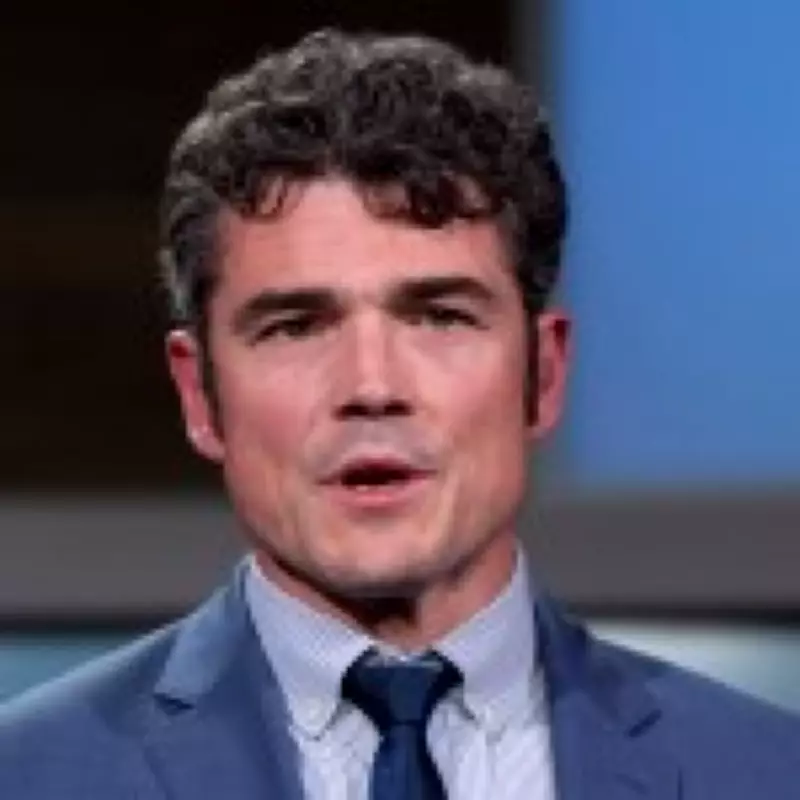
The director of the National Counterterrorism Centre, Joe Kent, has resigned from his position, issuing a damning statement that he "cannot in good conscience" back the ongoing war in Iran. In a social media post, Kent asserted that Iran "posed no imminent threat to our nation," and he claimed the conflict was initiated "due to pressure from Israel and its powerful American lobby." This resignation marks a significant internal challenge to the Trump administration's foreign policy, highlighting deep divisions over the military intervention.
Background and Allegations of Misinformation
Joe Kent, a former political candidate with ties to right-wing extremists, was confirmed to his role last July by a narrow 52-44 vote. As head of the National Counterterrorism Centre, he oversaw an agency responsible for analysing and detecting terrorist threats globally. In his resignation statement, Kent alleged that "high-ranking Israeli officials" had disseminated misinformation within the United States, leading President Trump to compromise his "America First" pledge. He wrote, "This echo was used to deceive you into believing that Iran posed an imminent threat to the United States. This was a lie." Kent urged reflection on the war's motives, stating, "I pray that you will reflect upon what we are doing in Iran, and who we are doing it for. The time for bold action is now."
Context of the Iran Conflict and Political Fallout
Kent's resignation follows reports from a former senior aide to Donald Trump, who told Metro that the President is in a "vulnerable position" regarding the Iran war and lacks a clear exit strategy. Since the US and Israel launched joint strikes over two weeks ago, the conflict has escalated, causing chaos in the oil industry, missile strikes in neighbouring countries, and the deaths of 13 US soldiers. Public support for the intervention has been notably low, with only 41% of Americans approving at the outset—far below historical levels for US conflicts. This discontent underscores the political risks for the Trump administration as it navigates the war's complexities.
Expert Perspectives on Regime Change and Nuclear Threats
John Robert Bolton, Trump's former national security advisor from 2018 to 2019, provided insights to Metro, arguing for regime change in Iran but criticising the administration's failure to communicate this clearly to the public. Bolton acknowledged that Iran was not an "imminent threat" but warned that its nuclear programme was getting "too close for comfort." He described the war as a "preventive war" to avoid more dangerous future scenarios, drawing parallels to the US Iraq War in 2003. Bolton explained, "By the late 1990s, Saddam didn't have centrifuges spinning, but he had kept together approximately 3,000 scientists and technicians who could rebuild the program. That was the point: they have the knowledge. Iran may not have centrifuges spinning today, but they know how to put them back together." He emphasised that countries seeking weapons of mass destruction while engaging in terrorism and suppressing their people pose a significant problem.
Implications and Calls for Policy Reversal
In his statement, Kent called for a reversal of US policy, warning, "You can reverse course and chart a new path for our nation, or you can allow us to slip further toward decline and chaos. You hold the cards." This resignation adds to growing scrutiny of the Iran war, with experts like Bolton highlighting strategic missteps and public scepticism. The situation continues to evolve, with potential impacts on US-Israel relations, global security, and domestic political dynamics, as the administration grapples with mounting casualties and economic disruptions.




