
US Military Strikes Iranian Mine-Laying Vessels in Strait of Hormuz Amid Rising Tensions
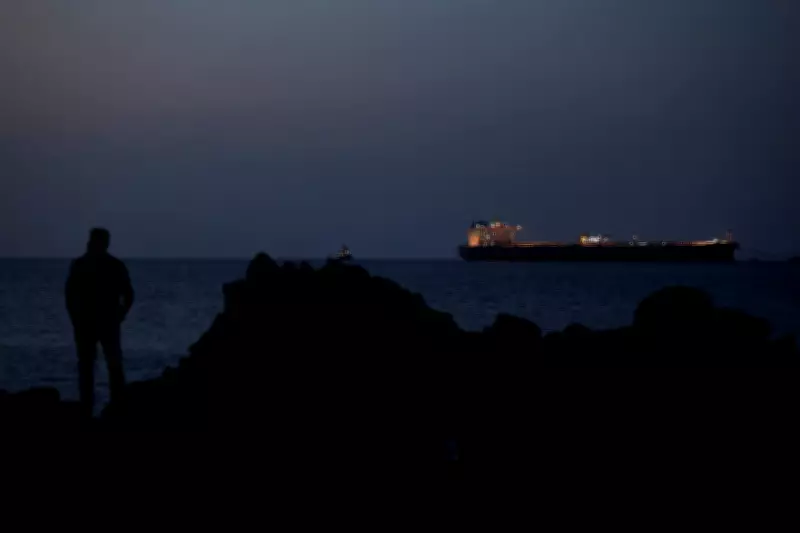
In a significant escalation of tensions, the US military has launched attacks on Iranian mine-laying vessels near the Strait of Hormuz, a critical global oil chokepoint. According to official statements, American forces destroyed 16 Iranian boats involved in laying explosive devices in the waterway. This action comes amid intelligence reports suggesting Iran has initiated mine-laying operations, posing a direct threat to maritime security and international oil supplies.
Intelligence Reports and Trump's Response
Citing sources from intelligence agencies, CNN reported on Tuesday that Iran has deployed a few dozen mines in the strait in recent days, with the capability to sow hundreds more. The Strait of Hormuz is a vital passage for approximately one-fifth of the world's oil, making any disruption a major concern for global energy markets. In response to these developments, former US President Donald Trump posted on Truth Social, demanding the immediate removal of any mines, stating, 'we want them removed IMMEDIATELY!' Less than two hours later, the US military released unclassified footage showcasing the attacks on the mine-laying vessels.
Impact on Oil Markets and Global Economy
The blockade of oil shipments through the strait, following US-Israeli strikes on Iran 11 days ago, has led to soaring oil prices and significant market volatility. On Tuesday, a social media post from US Energy Secretary Chris Wright caused wild fluctuations in oil markets. Wright claimed on X that the US Navy had successfully escorted an oil tanker through the strait, causing benchmark US crude futures to plunge by up to 19%. However, the post was quickly deleted, and Trump administration officials denied the claim, clarifying that no such operation had occurred. An energy department spokesperson attributed the error to an incorrect caption by agency staff.
Iranian Threats and US Military Strategy
Iran's Islamic Revolutionary Guard Corps has issued stern warnings, stating they will not allow even 'one litre of oil' to leave the region if US-Israeli attacks persist. A spokesperson for the Revolutionary Guards, Ali Mohammad Naini, denied the escort claim and threatened that any movement by US fleets would be met with missile and drone attacks. At a defense department briefing, top US General Dan Caine addressed the possibility of escorting vessels through the strait, noting that the military is 'looking at a range of options' to address challenges as they arise. Pentagon chief Pete Hegseth added a strong warning, asserting that if Iran attempts to halt oil flow, they will face retaliatory strikes '20 times harder' than previous actions.
Historical Context and Regional Reactions
The Strait of Hormuz, only 34 kilometers wide at its narrowest point, has been a flashpoint in past conflicts, notably during the Iran-Iraq tanker war in the 1980s when Iran mined the area. Currently, Iran's attacks on energy infrastructure appear aimed at generating economic pressure to end US and Israeli strikes. In response, Saudi Arabia's Aramco CEO, Amin Nasser, announced that tankers are being rerouted to avoid the strait, with the company's east-west pipeline expected to reach full capacity of 7 million barrels per day this week. Additionally, the International Energy Agency is considering its largest-ever release of oil reserves to counter price surges, exceeding the 182 million barrels released after Russia's invasion of Ukraine.
Global Implications and Future Outlook
The escalating situation in the Strait of Hormuz underscores the fragility of global energy markets and the geopolitical tensions in the Middle East. With oil prices already volatile and supply chains disrupted, the international community is closely monitoring developments. The US military's proactive strikes signal a firm stance against Iranian aggression, but the potential for further conflict looms large. As stakeholders from the EU to energy agencies weigh responses, the crisis highlights the interconnected nature of security, economics, and diplomacy in today's world.




