Ukrainian Orthodox Leader Blesses Easter Cakes for Frontline Soldiers
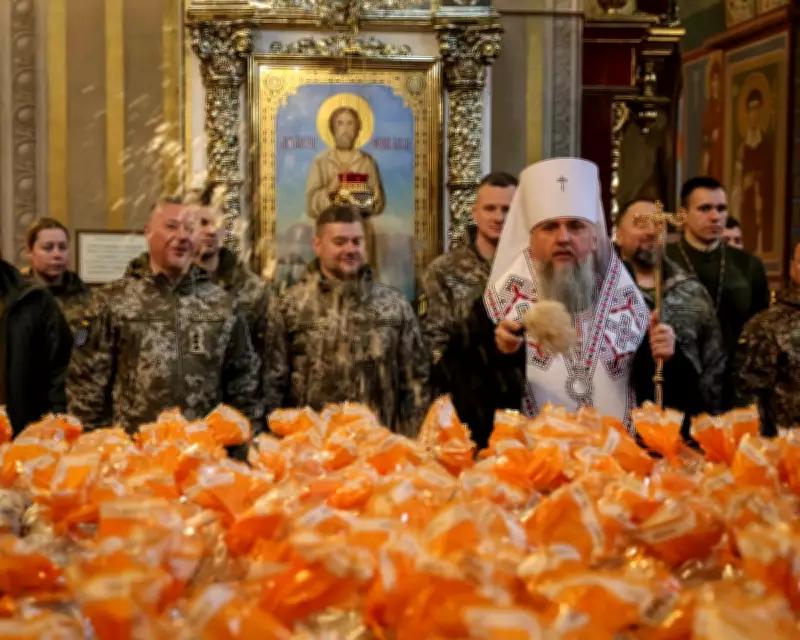
Metropolitan Epiphanius I, the head of the Orthodox Church of Ukraine, conducted a solemn ceremony at St Michael's Cathedral in Kyiv on April 9, 2026, sprinkling holy water to bless traditional Easter cakes destined for Ukrainian servicemen fighting on the frontlines. The ritual occurred just before Orthodox Easter as Russia's ongoing attack on Ukraine entered its fourth year, symbolizing spiritual support for troops amid continued hostilities.
Skepticism Surrounds Russia's Orthodox Easter Ceasefire Pledge
Ukrainian officials and civilians expressed deep skepticism regarding Moscow's promise to implement a 32-hour Orthodox Easter ceasefire, which the Kremlin announced would begin Saturday afternoon and continue through Sunday. The temporary truce, first proposed by Kyiv, would theoretically see Russia cease fighting "in all directions," but recent attacks have fueled doubts about Moscow's commitment.
President Volodymyr Zelenskyy indicated Ukraine's willingness to reciprocate the ceasefire, yet residents in Kyiv remained unconvinced. "No one believes in these fairytales anymore," stated Yevgeniy Lamakh, a 29-year-old IT specialist speaking to AFP in central Kyiv. He emphasized Russia's historical pattern of deception, noting that Russian military statements often contradict their actions.
Dmytro Sova, a 42-year-old actor, echoed this sentiment, pointing to ongoing attacks: "Even today... Shaheds, missiles are flying at Ukraine. Well, come on then, start the ceasefire."
Deadly Attacks Precede Ceasefire Period
Just hours before the scheduled Orthodox Easter truce, Russian nighttime attacks resulted in one fatality and fifteen injuries across Ukraine. In Poltava, central Ukraine, an enemy drone strike targeted a store and cafe, killing one person and injuring another, according to Vitalii Diakivnych, the regional military administration head.
Simultaneously, drone strikes in the northeastern Sumy region, which borders Russia, wounded fourteen individuals, including a 14-year-old boy and an 87-year-old woman. Oleg Grygorov, head of the regional military administration, confirmed these casualties via Telegram.
Stalled Negotiations and International Context
Moscow has rejected calls for a longer-term unconditional ceasefire, which Kyiv advocates, instead pushing for a final peace settlement. Negotiations brokered by the United States have stalled over the status of Ukraine's eastern regions, partially occupied by Russia and claimed by Moscow.
This marks the second consecutive year both sides have attempted an Orthodox Easter ceasefire, but efforts to halt Russia's invasion remain deadlocked. US attention has shifted toward the Middle East conflict, complicating diplomatic focus on Ukraine.
The Trump administration is expected to extend a waiver allowing countries to purchase some sanctioned Russian oil and petroleum products, a move criticized by politicians in the US and abroad. Critics argue this could undermine Western efforts to deprive Russia of war revenue and create tensions with allies.
Crackdown on Media and Regional Security Concerns
In related developments, a Russian court placed Oleg Roldugin, a journalist from the independent Novaya Gazeta newspaper, in pre-trial detention until May 10 following a police raid on the paper's Moscow headquarters. Roldugin had reported on alleged corruption among top Russian officials, including former president Dmitry Medvedev and Chechen leader Ramzan Kadyrov, amid Russia's broader crackdown on independent media since February 2022.
Meanwhile, NATO member Estonia announced it will refrain from detaining Russia's "shadow fleet" vessels in the Baltic Sea, fearing military escalation. While Britain, France, Belgium, and Sweden have intensified efforts to seize aging tankers used by Moscow to fund its war, Estonia's restraint follows an unsuccessful boarding attempt last year near Russia's Gulf of Finland export facilities.