UK Weighs Minesweeping Drones for Hormuz as Oil Prices Spike
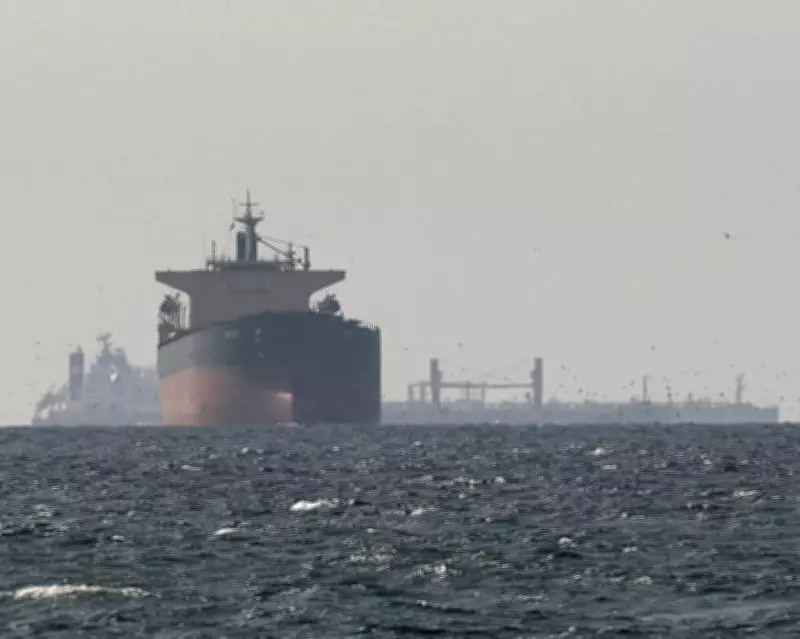
The British government is actively developing plans to deploy minesweeping drones to the Strait of Hormuz, a critical global oil chokepoint, in an effort to facilitate the resumption of oil exports. This strategic move comes as officials express deep concerns that acceding to former US President Donald Trump's recent demand to send naval ships could dangerously escalate the ongoing crisis with Iran. The volatile situation has already triggered a sharp surge in global oil prices, intensifying economic pressures worldwide.
Diplomatic Caution and Economic Pressure
Prime Minister Keir Starmer is set to announce a support package worth tens of millions of pounds for British households grappling with rising energy costs during a Downing Street press conference. He will underscore the urgent necessity of de-escalating the Middle East conflict, stating, "We will continue to work towards a swift resolution of the situation in the Middle East. Because there is no question that ending the war is the quickest way to reduce the cost of living." Energy Secretary Ed Miliband emphasized the priority of reopening the strait, telling the BBC, "It is very important that we get the Strait of Hormuz reopened... There are different ways that we could contribute, including with mine-hunting drones." He confirmed all options are being evaluated in coordination with international allies.
Global Ripple Effects and Strategic Hesitations
Iran's declaration that it will target vessels transiting the Strait of Hormuz—a conduit for approximately 20% of the world's oil supply—has propelled oil prices from around $65 to over $100 per barrel. Economists are forecasting higher inflation and diminished economic growth as direct consequences, with the severity hinging on the conflict's duration. This development has further strained the relationship between Starmer and Trump, already damaged by the UK's refusal to permit the use of British bases for strikes on Tehran. Over the weekend, Trump publicly appealed for several nations, including the UK, China, France, Japan, and South Korea, to deploy ships to the region. However, responses have been cautious. Japanese official Takayuki Kobayashi advised judicious consideration, while South Korea stated it is exploring various protective measures for its citizens and energy routes.
Military Constraints and Alternative Solutions
British officials, while receptive to contributing, harbor significant doubts about dispatching naval vessels due to the Royal Navy's depleted state and the potential for exacerbating hostilities. HMS Dragon, a Type 45 destroyer, recently departed for Cyprus and could be redirected, but its arrival would be delayed. Notably, the UK's last regional minesweeper, HMS Middleton, left Bahrain for maintenance just before the conflict erupted, sparking internal government debate over preparedness. In contrast, officials are more optimistic about utilizing minesweeping drones, which safely detonate mines by simulating ship movements, and may deploy Octopus counter-drone systems originally destined for Ukraine. The government faces criticism from the Conservative opposition for perceived delays in boosting defence spending to 2.5% of GDP by 2027. Internal Ministry of Defence figures reveal recent declines in funding for missile defence and counter-drone systems, alongside a reduction in mine-hunting ships from 16 to seven since the Conservatives took office. An MoD spokesperson defended current spending increases, highlighting investments in new technologies like the Dragonfire laser for future naval defence.