UK MPs and Trade Unions Urge Immediate End to British Role in US-Israel War on Iran
In a powerful joint statement, British MPs and trade union leaders have called for the United Kingdom to immediately cease all participation in the US-Israel war on Iran. They describe the conflict as a catastrophic escalation in an already devastated region, warning that continued involvement risks plunging the area into a wider war and causing further economic convulsions globally.
Illegal and Unprovoked Conflict Amid Negotiations
The signatories, including prominent figures such as Jeremy Corbyn MP and union leaders from Unison and the TSSA, argue that the war is clearly illegal and unprovoked. They note that it began in the midst of negotiations, with its aims appearing to shift daily, highlighting a lack of strategic clarity. The statement criticizes the organizers for failing to learn from the carnage and chaos caused by previous wars in Afghanistan, Iraq, and Libya, suggesting a reckless disregard for historical lessons.
Deep Unpopularity and Global Economic Risks
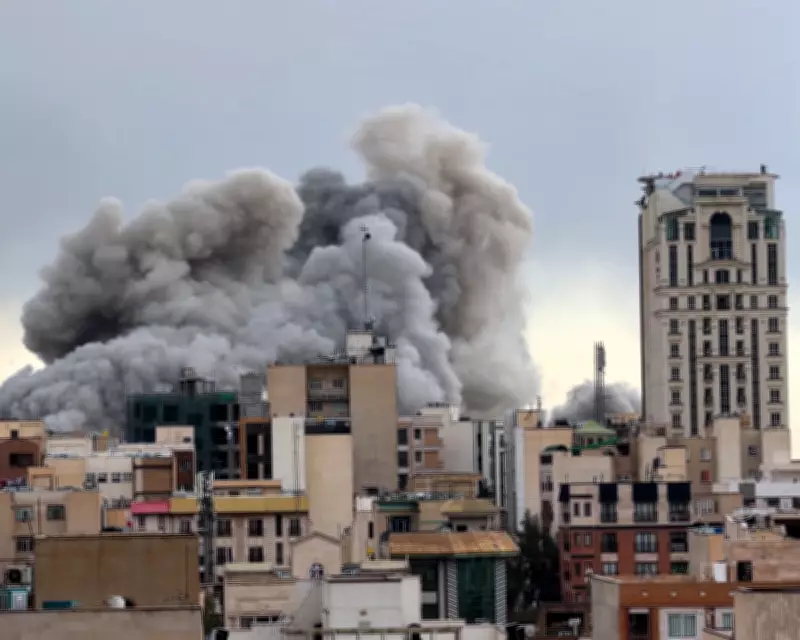
According to the letter, the war is deeply unpopular both in Britain and around the world. The signatories emphasize that it is causing appalling death and destruction in Iran, with severe humanitarian consequences. They also point to the economic disruptions it is triggering worldwide, urging the government to prioritize stability and peace over military engagement.
Specific Demands for British Withdrawal
The call to action includes several key demands: ending all British participation in the war, stopping the use of British bases by the US for pursuing the conflict, and joining international efforts to demand an immediate cessation of attacks on Iran. This stance reflects a growing movement within the UK to distance itself from foreign military interventions and advocate for diplomatic solutions.
The letter, signed by over 50 individuals including MPs like Zarah Sultana and Jon Trickett, as well as activists such as Lindsey German from the Stop the War Coalition, underscores a broad coalition of opposition. It signals mounting pressure on the British government to reassess its foreign policy and align with global calls for de-escalation in the region.