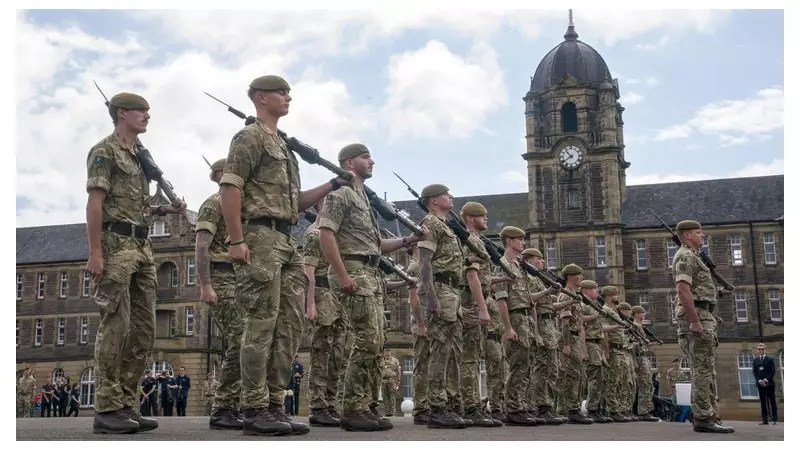
The UK government has revealed the first concrete details of its forthcoming military gap year programme, a flagship initiative designed to attract more young people into the Armed Forces against a backdrop of heightened global security concerns.
What the New Military Gap Year Scheme Involves
According to reports, the scheme is scheduled to open for applications in March 2026. It will initially recruit approximately 150 young people under the age of 25 for placements lasting up to two years. The government plans to expand the programme to enrol more than 1,000 participants annually in subsequent years.
This will be a paid gap year, although the exact remuneration for participants has not yet been disclosed. A key assurance is that recruits on this scheme will not be deployed on active combat operations. The core aim is to provide an early introduction to military life, hoping participants will choose a permanent career in defence afterwards, but with no obligation to do so. The programme also promises to equip young people with valuable, transferable skills.
The structure will differ slightly across services. The Army scheme will involve a two-year placement incorporating 13 weeks of basic training. The Royal Navy will offer a one-year programme described as providing "profession agnostic" training for potential sailors. Plans for the Royal Air Force branch are said to be less developed, with the service still "scoping" its options.
Addressing a Recruitment Challenge
The new, broader scheme comes as the existing Army gap year programme, which is only for those considering officer training and lasts one year, has struggled for engagement. Reports indicate that fewer than 10 people enrolled in the 2024/25 cycle.
Defence Secretary John Healey stated that the initiative would "give Britain's young people a taste of the incredible skills and training on offer across the Army, Royal Navy and RAF." He added that he wanted the opportunities in the armed forces to be part of family conversations about the future.
The policy takes inspiration from a similar, reportedly successful model in Australia. There, a scheme for 17 to 25-year-olds saw 664 people enlist in 2023, with just over half subsequently moving into permanent roles in the country's defence force.
A Response to a Changing Security Landscape
The launch is set against growing geopolitical tensions and specific warnings from senior military figures. Earlier this month, Air Chief Marshal Sir Richard Knighton warned that the UK's "sons and daughters" might need to be "ready" to fight if called upon. This followed stark comments from his French counterpart about preparedness for potential conflict.
This context of renewed threat, particularly from Russia, has prompted several European nations, including France, Germany, and Belgium, to introduce or bolster their own national service-style schemes this year.
The challenge for the UK is significant. A poll for The Times in February found that only 11% of Gen Z adults (aged 18-27) in the UK would be willing to fight for their country, a figure that has halved in the last two decades. With most of the population having no direct experience of the military since the Cold War ended 35 years ago, the government hopes this new, accessible gap year will help bridge that growing civilian-military divide and secure the nation's future defence capabilities.