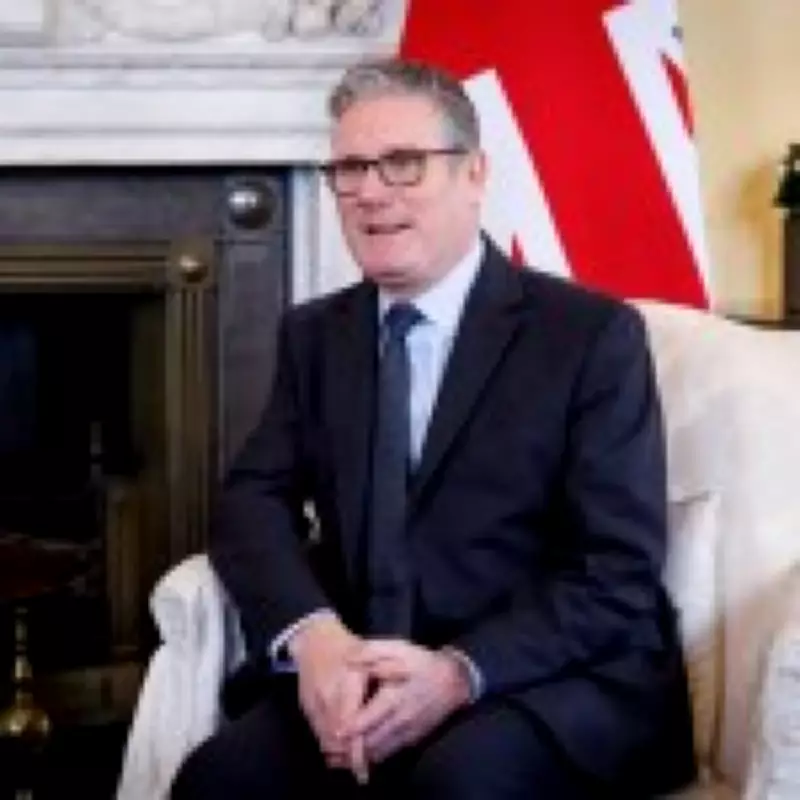
UK Joins International Coalition in Strong Condemnation of Iranian Aggression
Prime Minister Keir Starmer has issued a forceful condemnation of Iran's recent military actions targeting critical energy infrastructure and commercial shipping in the Gulf region. The UK leader described the attacks as "unacceptable" and joined with five allied nations in demanding immediate de-escalation from Tehran.
Coordinated International Response
In a significant diplomatic move, the United Kingdom has aligned with France, Germany, Italy, the Netherlands, and Japan to deliver a unified message to Iranian authorities. The joint statement represents a coordinated international effort to address what Western powers characterize as destabilizing actions in one of the world's most vital energy corridors.
The multinational declaration specifically condemns "in the strongest terms" what it describes as Iranian attacks on unarmed commercial vessels operating in Gulf waters. The document further criticizes strikes against civilian infrastructure, particularly oil and gas installations that form the backbone of regional energy production.
Economic Consequences and Regional Tensions
The immediate aftermath of the Iranian strikes has seen global oil prices surge dramatically, with benchmark crude exceeding $119 per barrel. This price spike reflects market anxieties about potential disruptions to energy supplies from the strategically crucial Persian Gulf region.
According to intelligence assessments, Iranian forces launched retaliatory strikes against an energy complex in Qatar, causing what officials describe as "extensive damage" to critical infrastructure. These actions reportedly came in response to earlier Israeli attacks targeting Iran's South Pars gas field, highlighting the escalating tit-for-tat nature of regional conflicts.
Strait of Hormuz Closure Threat
The joint statement expresses particular concern about what it terms the "de facto closure" of the Strait of Hormuz by Iranian military forces. This narrow waterway serves as a transit route for approximately one-fifth of the world's petroleum consumption, making any disruption potentially catastrophic for global energy markets.
"We call on Iran to cease immediately its threats, laying of mines, drone and missile attacks, and other attempts to block the strait to commercial shipping," the document states unequivocally. The declaration further demands Iranian compliance with United Nations Security Council Resolution 2817, which specifically condemns Tehran's "egregious attacks" against neighboring countries.
Diplomatic Context and International Support
The referenced UN resolution gained substantial international backing when adopted on March 11, receiving support from thirteen of the Security Council's fifteen members. Notably, Russia and China abstained from the vote, reflecting geopolitical divisions regarding approaches to Iranian actions in the region.
The multinational statement emphasizes the participating nations' "readiness to contribute to appropriate efforts to ensure safe passage through the strait" while welcoming "the commitment of nations who are engaging in preparatory planning" for potential maritime security operations.
UK's Strategic Position and Military Planning
Prime Minister Starmer has articulated a cautious approach to potential military involvement, stating on Monday that he would not allow the United Kingdom to be "drawn into the wider war" currently affecting the Middle East. However, the Prime Minister confirmed ongoing discussions with international partners about developing what he termed a "credible, viable plan" to reopen the vital Strait of Hormuz to commercial traffic.
British military planners have reportedly been dispatched to Florida to assist in strategic planning for potential operations aimed at securing the critical waterway. This development follows criticism from former US President Donald Trump directed at several world leaders, including Starmer, for their reluctance to commit naval assets to the region.
The evolving situation represents a significant foreign policy challenge for the UK government, balancing international obligations with domestic political considerations regarding military engagement. As energy prices continue to fluctuate in response to regional tensions, diplomatic efforts to de-escalate the conflict remain ongoing among Western allies and regional stakeholders.