
Britain's Military Vulnerabilities Exposed in Iran Conflict
Britain finds itself in a precarious position with limited means to retaliate after years of chronic underinvestment in its armed forces. The nation's aircraft fleets are critically low on ammunition stockpiles, rendering them vulnerable as tensions escalate in the Middle East. This stark reality comes as the UK scales back its military presence in the region, leaving key assets exposed to potential threats.
Inadequate Air Defences and Limited Firepower
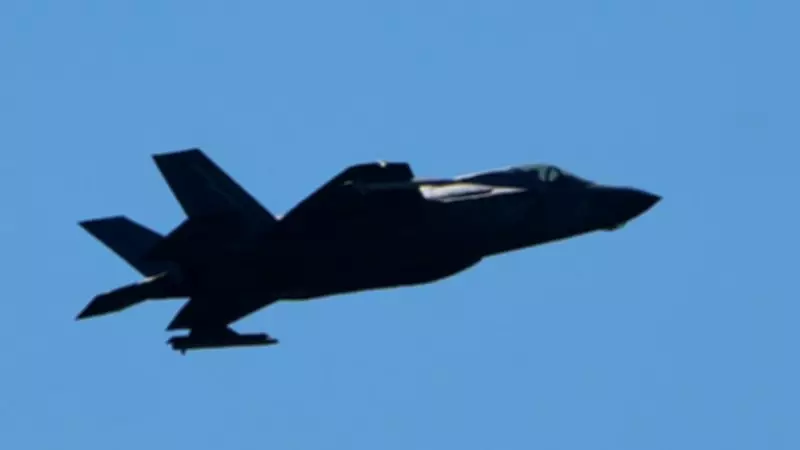
Prime Minister Sir Keir Starmer has publicly reassured the public about bolstering British forces in the Middle East, including deploying Typhoon warplanes to Qatar and operating F-35 fighter jets from RAF Akrotiri in Cyprus. However, these advanced aircraft face a significant limitation: they possess very restricted supplies of ammunition. Neither the Typhoon nor the F-35 is ideally suited for countering drone attacks, as they are designed for more sophisticated adversaries, and their air-to-air missiles are prohibitively expensive compared to the low-cost drones they might encounter.
While these jets can intercept cruise missiles, a more effective tool for such tasks is the army's Sky Sabre air defence system. It remains unclear whether this system has been deployed to the region. The Ministry of Defence has confirmed that ground troops specialised in drone countermeasures are present, yet they failed to neutralise a single attack drone that struck a runway at RAF Akrotiri recently.
Ballistic Missile Threats and Naval Shortfalls
Iran's arsenal of short and medium-range ballistic missiles poses a direct threat to British interests in Cyprus and across the Middle East, although these weapons cannot reach the UK mainland. The only British military asset capable of intercepting such missiles is the Type 45 destroyer. The Royal Navy operates six of these warships, but only three are currently available for deployment, and as of recent reports, none are stationed in the region.
This marks a dramatic decline from a decade ago when Britain maintained a robust naval presence in the Gulf, including warships based in Bahrain, minehunters, and support vessels. Today, that presence has dwindled to nothing, forcing the UK to rely on the United States' naval power, including aircraft carriers, to address ballistic missile threats. This dependency is particularly uncomfortable given the thousands of British troops and approximately 300,000 citizens spread across the Middle East.
Political Reversals and Offensive Capabilities
In response to Iranian retaliatory strikes following American and Israeli actions, Prime Minister Starmer reversed an earlier decision, now permitting US warplanes to launch attacks on Iran from British bases. He justified this shift by framing it as a legitimate act of self-defence, provided the strikes target only Iran's ballistic missile facilities. Britain is not currently participating in these operations, but this stance could change if British interests are further compromised.
This raises pressing questions about the UK's own offensive capabilities. According to military experts, Typhoon jets equipped with Storm Shadow cruise missiles could potentially destroy Iranian missile storage depots, though larger weapons would be more effective. The optimal option would be Tomahawk cruise missiles launched from Royal Navy attack submarines. However, maintenance issues and crew shortages have plagued the fleet of Astute-class submarines, leading to periods when none were operational. While there has been slight improvement, with one submarine recently deployed to Australia, this offers little utility for conflicts in the Middle East.
Decades of Underinvestment Culminate in Crisis
Defence insiders attribute this dire situation to successive governments' failures over decades to invest adequately in critical weaponry and munitions. The lack of systems to counter missiles and drones, combined with insufficient stockpiles for retaliation, has left the UK ill-prepared for current threats. As conflicts intensify, the consequences of this long-term neglect are becoming painfully apparent, with limited options for an effective response.
The expansion of hostilities involving Iran has starkly highlighted Britain's military shortcomings, underscoring the urgent need for strategic reassessment and investment. Without swift action, the UK risks remaining vulnerable in an increasingly volatile global landscape, where its ability to protect its interests and citizens abroad is severely compromised.




