
UK Authorizes Military Bases for Strikes on Iranian Launchers in Hormuz
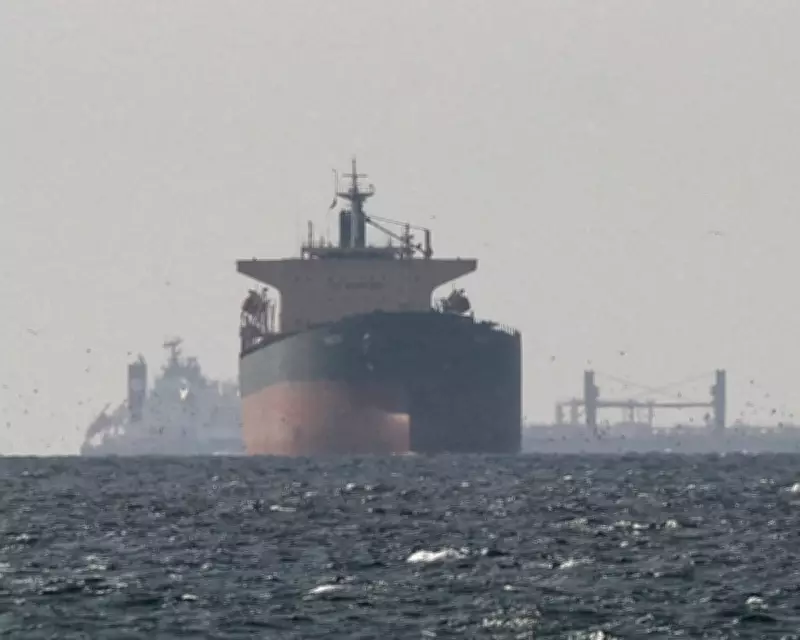
The United Kingdom has officially authorized the use of its military bases to conduct strikes against Iranian missile launchers that are targeting commercial cargo ships in the strategically vital Strait of Hormuz. This significant escalation marks a departure from previous policy, where UK bases were solely utilized to target Iranian sites threatening British allies and interests within Gulf states.
Growing Ministerial Anger Over Economic Fallout
Anger is mounting among senior UK cabinet ministers as fears intensify that the ongoing conflict in Iran, initiated by former US President Donald Trump, could severely jeopardize Britain's already fragile financial situation. Several key government figures are reportedly in a state of despair over the potential economic repercussions, with experts warning of sharply higher energy prices, increased mortgage costs, and elevated borrowing expenses for consumers and businesses alike.
Donald Trump has openly criticized the UK and other NATO allies, labeling them as "cowards" for their perceived reluctance to assist in reopening the Strait of Hormuz. He asserted that such action would involve minimal risk. In response, No. 10 Downing Street has declined to comment on these inflammatory remarks.
Contingency Planning and Economic Concerns
The UK Treasury has proactively established an "Iran board," comprising ministers and officials, to evaluate a range of potential worst-case economic scenarios. Government sources indicate that options under consideration include a universal bailout for energy bills, which would be deployed as a last resort if global energy prices remain persistently high.
Chancellor Rachel Reeves is facing mounting pressure on multiple fronts, as the cost of government borrowing recently surged to its highest level since the 2008 financial crisis. Market analysts are predicting interest rates could climb to 4.5%, which would inevitably raise mortgage costs for millions of homeowners across the nation.
Potential Household Impact and Energy Crisis
Forecasts from Cornwall Insight suggest that household energy bills could increase by approximately £330 annually, potentially reaching nearly £2,000 starting this summer. This spike is directly attributed to the conflict pushing the UK's gas market to three-year highs. The International Energy Agency (IEA) has described the situation as "the greatest global energy security threat in history" and has advised countries to promote public transport, reduce car usage, and adopt more efficient driving habits to bolster resilience.
Within the UK government, contingency plans are being actively developed to minimize fuel consumption. One measure under serious consideration is the implementation of lower speed limits across the country. Officials stress that there is currently no fuel shortage in the UK, but they are preparing for potential future disruptions to global oil supplies.
Political and Strategic Dimensions
Iran's Foreign Minister, Abbas Araghchi, has accused UK Prime Minister Keir Starmer of "putting British lives at risk" by permitting UK bases to be used for aggression against Iran. Meanwhile, Trump has indicated that the United States is considering "winding down" its military operations in Iran, shifting the responsibility for guarding the Strait of Hormuz to other nations that utilize the crucial waterway.
The timing of this economic shock is particularly critical for the UK government, as it approaches May's local elections. The administration had hoped to highlight an improving economy, but now faces the prospect of a global energy crisis further inflating the cost of living. Culture Secretary Lisa Nandy has even raised the idea of loosening fiscal rules that restrict government borrowing, reflecting the depth of concern within cabinet ranks.
Multiple Whitehall officials have indicated that it will become clearer within approximately two weeks whether the conflict has de-escalated sufficiently to avoid implementing widespread household energy support measures. The government strongly favors targeted support for the most vulnerable, but acknowledges political challenges in restricting aid due to potential resentment among other groups.
Paul Nowak, General Secretary of the Trades Union Congress, emphasized that working people must not bear the brunt of what he termed "Trumpflation." The Green Party has called for the government to cover a £300 increase in energy bills resulting from the war, estimated to cost around £8 billion. All options for energy support remain under active consideration, dependent on the conflict's duration and its impact on global markets.




