Trump's Ambiguous Iran Diplomacy Seeks to Calm Volatile Energy Markets
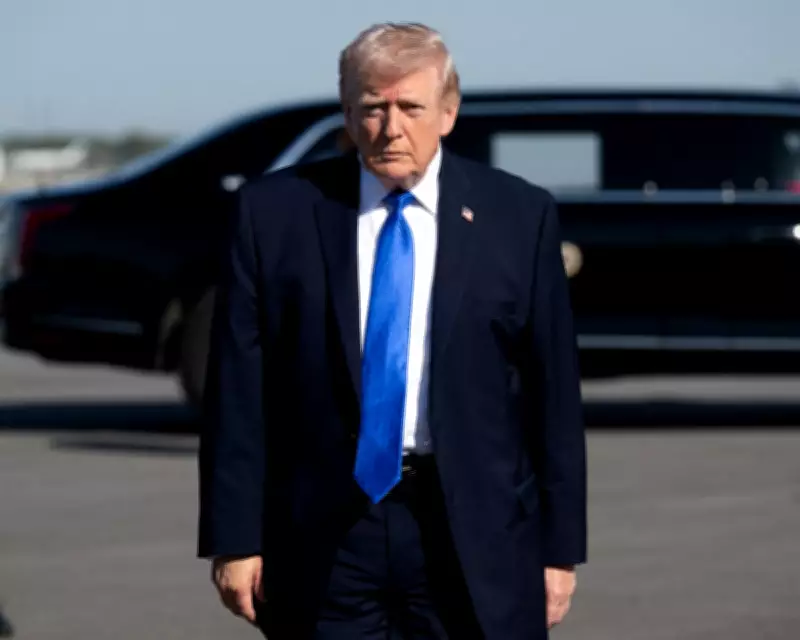
In a move that has sparked widespread skepticism, President Donald Trump announced "very good" discussions with Iran, even as Tehran firmly denied any negotiations were occurring. Standing beside Air Force One, Trump offered scant details but suggested the talks could avert a looming US ultimatum to bomb Iranian power plants if the strait of Hormuz remained closed.
Vague Details and Denials Mark Alleged Diplomatic Outreach
When pressed to identify his Iranian counterpart, Trump cryptically responded, "We are dealing with a man that I believe is the most respected, not the supreme leader." He refused to name the individual, citing concerns for their safety: "I can't. I don't want them to be killed." His description of potential terms was equally nebulous, mentioning shared control of the Hormuz Strait with "maybe me, me and the Ayatollah" and vague promises of "very serious regime change."
Iranian officials have uniformly rejected these claims. Mohammad Bagher Ghalibaf, speaker of Iran's parliament and a former Revolutionary Guards commander, stated, "No negotiations have been held with the US, and fake news is used to manipulate the financial and oil markets." Iran's foreign ministry acknowledged receiving messages from "friendly countries" about US negotiation requests but denied direct talks.
Regional Mediators and Market Timing Raise Questions
The apparent diplomatic push comes amid renewed efforts by Pakistan, a US ally with ties to Iran, along with other regional powers like Egypt and Turkey. This follows a series of failed mediation attempts, with Washington having exhausted multiple intermediaries. Notably, Trump's announcement coincided with the opening of US markets on Monday, suggesting a strategic timing to mitigate another punishing trading session.
International reactions have been cautious. UK opposition leader Keir Starmer confirmed awareness of the talks, while Israeli Prime Minister Benjamin Netanyahu, who has sought to leverage US support, framed a potential deal as safeguarding Israel's interests. However, Netanyahu emphasized Israel's continued military strikes in Iran and Lebanon, indicating unresolved hostilities.
Military Posturing and Economic Motivations
Behind the diplomatic facade, the Pentagon continues to position marines and airborne soldiers, preparing for potential strikes or occupation of Iranian territory to reopen the Hormuz Strait. This military readiness underscores the high stakes for global oil supplies, with the strait being a critical chokepoint for energy exports.
Analysts suggest Trump's vague talk of negotiations may primarily serve to buy time with oil and energy markets, stabilizing prices amid escalating tensions. The reported involvement of envoys Steve Witkoff and Jared Kushner adds a layer of informal diplomacy, though its efficacy remains unproven given Iran's steadfast denials.
As abortive diplomacy cycles persist, the latest episode highlights the complex interplay between military threats, economic pressures, and diplomatic maneuvering in the volatile Middle East. The coming days will reveal whether these talks yield tangible progress or merely delay inevitable confrontation.