Trump's Iran Conflict Draws Parallels to Nixon's Vietnam Tactics
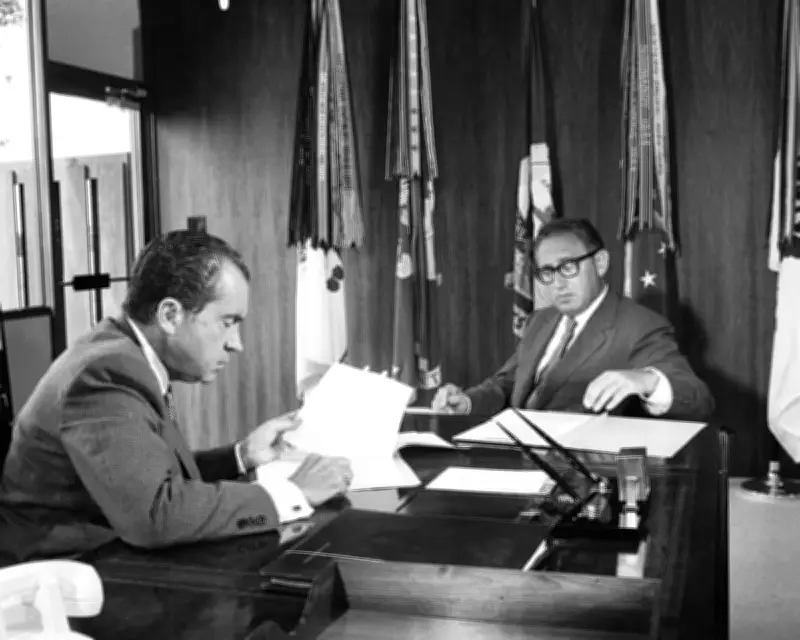
Donald Trump's persistent military engagement with Iran starkly recalls Richard Nixon's infamous "peace with honor" strategy during the Vietnam War. Both presidents prioritized shielding their political reputations over achieving meaningful peace, leading to prolonged conflicts with devastating human and economic costs. Nixon's cynical pursuit of a "decent interval" between U.S. withdrawal and Saigon's collapse resulted in four years of intense bombardment across Vietnam, Cambodia, and Laos, claiming tens of thousands of lives. Similarly, Trump's war with Iran, lacking clear military objectives, appears driven by a desire to avoid the political stigma of perceived defeat.
The Elusive Justifications for Continued Bombing
Trump's rationale for sustaining attacks on Iran has grown increasingly tenuous. The White House acknowledges that Iran's ballistic missile capacity is "functionally destroyed," and its nuclear program was reportedly "obliterated" in June. Regime change via aerial bombardment is deemed impractical, and Trump's base vehemently opposes ground troop deployments. Instead, the current focus is on Iran's blockade of the Strait of Hormuz, which disrupts global oil supplies and spikes prices. Trump has threatened to target Iran's electrical infrastructure—a potential war crime, as evidenced by ICC charges against Russian commanders for similar actions in Ukraine. Such attacks on civilian objects would cause disproportionate harm, violating international law.
Iran's Strengthened Position and Global Repercussions
Ironically, the conflict has bolstered Iran's negotiating stance. Having endured leadership decapitation and military destruction, the regime has less to lose and may feel emboldened by its asymmetric warfare capabilities, which can wreak havoc on Gulf Arab states and the global economy. With U.S. midterm elections looming, gasoline prices become a critical factor, potentially giving Tehran leverage. Trump claims "productive conversations" with Iran, but Tehran denies talks, asserting Trump is backing down due to threats against regional energy sites. Historical patterns suggest Iran will delay, demanding sanctions relief and nuclear rights, complicating swift resolution.
A Path to Deescalation and Political Realities
More fruitful deescalation could stem from a de facto ceasefire, with Trump halting bombings and pressuring Israeli Prime Minister Benjamin Netanyahu to follow suit. While uncertain, Iran might reciprocate to avoid war responsibility. However, Trump's desire for "unconditional surrender" and to make Iran "cry uncle" reflects political, not military, goals—echoing Nixon's fear of paying the price for "losing" Vietnam. This pursuit of personal honor over public welfare risks further Iranian deaths, economic suffering, and global instability. Trump's history of contrafactual declarations of success underscores the need for a pragmatic exit, prioritizing human lives over political vanity.