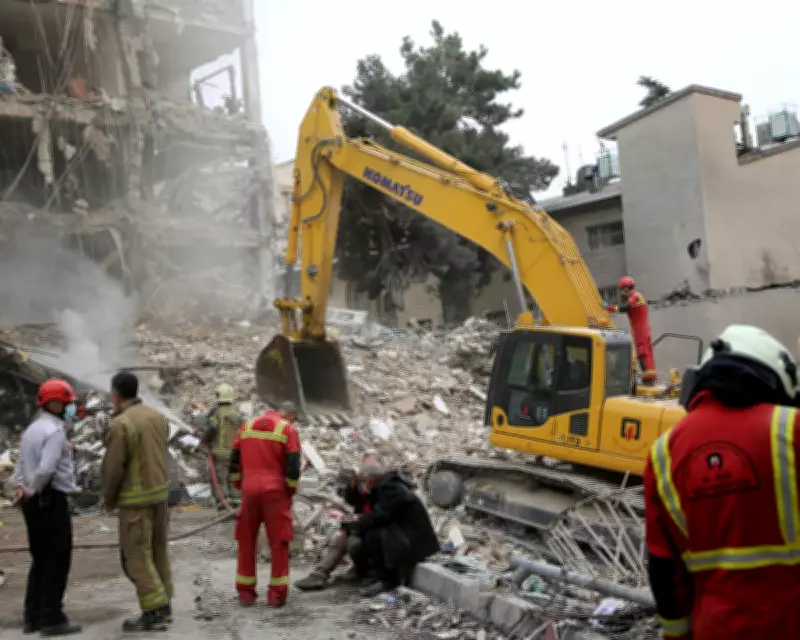
Damage in Tehran has been reported following airstrikes conducted by the United States and Israel, escalating tensions in the Middle East. A photograph from Anadolu/Getty Images captures the aftermath, highlighting the ongoing conflict. The Guardian's editorial perspective examines the war's implications, focusing on energy, markets, and what it describes as a dangerous illusion of a quick resolution.
Trump's Pause and Market Soothing
Donald Trump's recent "pause" in hostilities is not a ceasefire, as Iranian forces continue to target Israel, Gulf Arab states, and northern Iraq, while US and Israeli warplanes strike across Iran. This move appears designed to calm jittery markets by narrowing US targets to exclude power plants and energy infrastructure. However, the fighting persists, with reports suggesting the US is considering deploying boots on the ground. Washington is effectively waging war while searching for an exit, lacking a credible or unified negotiating position as Israel's Benjamin Netanyahu pursues his own agenda.
Potential Weekend Escalation
Trump's strategy, if one exists, might involve soothing markets now and launching a massive escalatory strike over the weekend when trading desks are closed. This approach aims to force the Iranian regime to fracture or capitulate, based on the idea that Tehran is brittle and will crack under American "shock and awe." In contrast, Sir Keir Starmer implicitly judges that Iran will not cave, a disagreement that may have strained US-UK relations. Britain is urged to stay out of US-Israeli adventurism, as the war's constraint is not military capability but the absence of a politically achievable objective.
Economic Risks and UK Contingencies
Sir Keir Starmer warned MPs that assuming a quick end to the war is a "false comfort," suggesting a prolonged conflict with the Strait of Hormuz unlikely to reopen soon. Economic risks are already materializing, with business activity growth in Britain slowing, manufacturers' input costs experiencing their sharpest rise since 1992, and home loans becoming more expensive due to energy and inflation fears. Ministers are drawing up contingency plans, such as lowering speed limits, to cut fuel use.
Fiscal Rules and Market Expectations
Despite Starmer's views, Chancellor Rachel Reeves talks as if any shock will be containable within her self-imposed constraints. She has ruled out universal household support for "Trumpflation" and insists help will remain within her "iron-clad" fiscal rules. This stance is a gamble, especially with Bank of England governor Andrew Bailey attending crisis meetings, indicating systemic economic danger. Markets are pricing expectations that Trump will pull back quickly from confronting Iran, but many traders may face a rude awakening if physical constraints like disrupted oil and gas flows bite.
Structural Shifts in Energy Markets
Jason Bordoff of Columbia University argues that this crisis teaches the need not only to use less fossil fuel but to rely less on global energy markets altogether. This implies a structural shock rather than a temporary one, potentially leading to a more fragmented system of global energy use. Europe may accelerate green energy adoption, while Asia might turn to coal. For Reeves, the question is whether her fiscal rules survive contact with this unfolding reality, as Britain cannot achieve a clean energy transition cheaply in a volatile world of disrupted supply and higher costs.
In summary, while the Treasury behaves as if the conflict will end quickly, Starmer warns of its potential endurance, highlighting the disconnect between political rhetoric and economic preparedness in the face of escalating Middle East tensions.