
As the US-Israel military campaign against Iran enters its fourth week, President Donald Trump has indicated he may be preparing to scale back operations, stating objectives are nearly met. The conflict has seen dramatic escalations across the Middle East and beyond, with new strikes reported in multiple countries over the weekend.
Trump Signals Potential De-escalation
In a significant development, President Donald Trump posted on his Truth Social platform that he is considering "winding down" military operations against Iran. "We are getting very close to meeting our objectives," the US president wrote, offering the strongest indication yet that hostilities might soon conclude. This statement comes as the conflict reaches its three-week mark, with no clear end in sight until now.
Latest Military Actions
Israel launched targeted strikes early Saturday against what it described as "regime targets" in Tehran, Iran, and Hezbollah positions in southern Beirut, Lebanon. These attacks followed Iran's own new wave of drone and missile assaults on Israel, continuing the cycle of retaliation that has characterized the conflict.
In Beirut's Bachoura neighborhood, emergency personnel worked at the site of a collapsed building following Israeli strikes this week. Lebanese state media reported one person killed and two wounded after an Israeli airstrike hit a house in southern Lebanon early Saturday.
Missile Threats and Interceptions
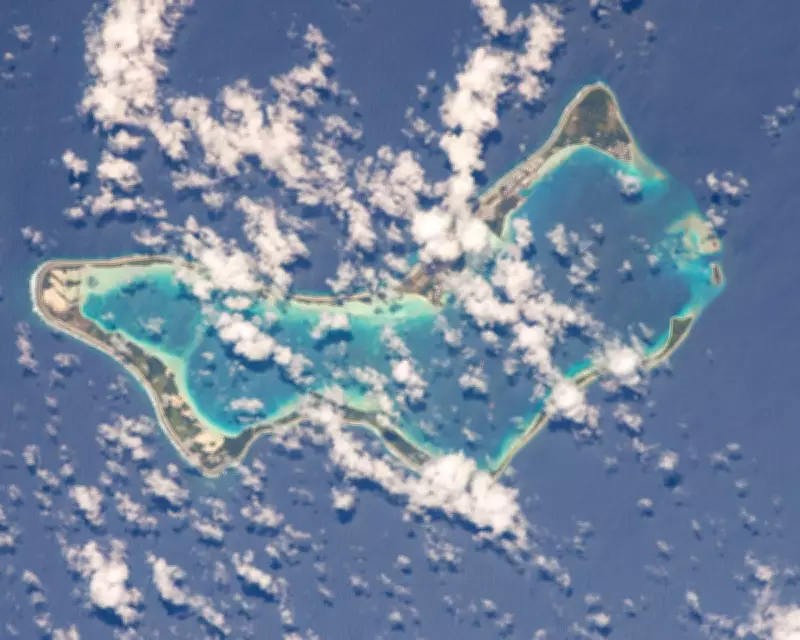
Iran fired two intermediate-range ballistic missiles toward Diego Garcia, the joint US-UK military base in the Indian Ocean, according to reports from the Wall Street Journal and CNN citing multiple US officials. Neither missile struck the base—one failed in flight, while a US warship intercepted the other with an SM-3 missile. The timing of these launches remains unconfirmed.
Meanwhile, Saudi Arabia's defense ministry reported intercepting dozens of drones overnight in eastern regions, while neighboring Kuwait confirmed it had also been intercepting air attacks. These defensive actions highlight the expanding geographic scope of the conflict.
Diplomatic and Economic Developments
The US Treasury Department has temporarily eased sanctions on Iranian oil shipments for the third time in approximately two weeks. This authorization, allowing delivery and sale of Iranian crude oil loaded before March 20, extends until April 19 in an effort to address global supply concerns amid the conflict.
Regional Tensions and Threats
Iran's military issued a warning to the United Arab Emirates regarding attacks from its territory on disputed islands—Abu Musa and Greater Tunb—in the Persian Gulf near the strategic Strait of Hormuz. Additionally, Iran's top military spokesperson, General Abolfazl Shekarchi, threatened that "parks, recreational areas and tourist destinations" worldwide would not be safe for the country's enemies.
In a diplomatic overture, Iranian Foreign Minister Abbas Araghchi told Kyodo News that Iran would help Japanese ships navigate the Strait of Hormuz if coordination with Tehran occurs. This comes as the vital oil route remains effectively shut down.
International Reactions
President Trump expressed surprise that Australia had not deployed warships to help secure the Strait of Hormuz and criticized NATO allies as "cowards" for their reluctance to assist in reopening the critical waterway. Meanwhile, the European Commission has reportedly urged EU member states to lower natural gas storage targets and begin gradually refilling reserves to manage demand, according to Financial Times reports.
The conflict continues to evolve rapidly, with military, diplomatic, and economic dimensions all in play as regional stability hangs in the balance.




