
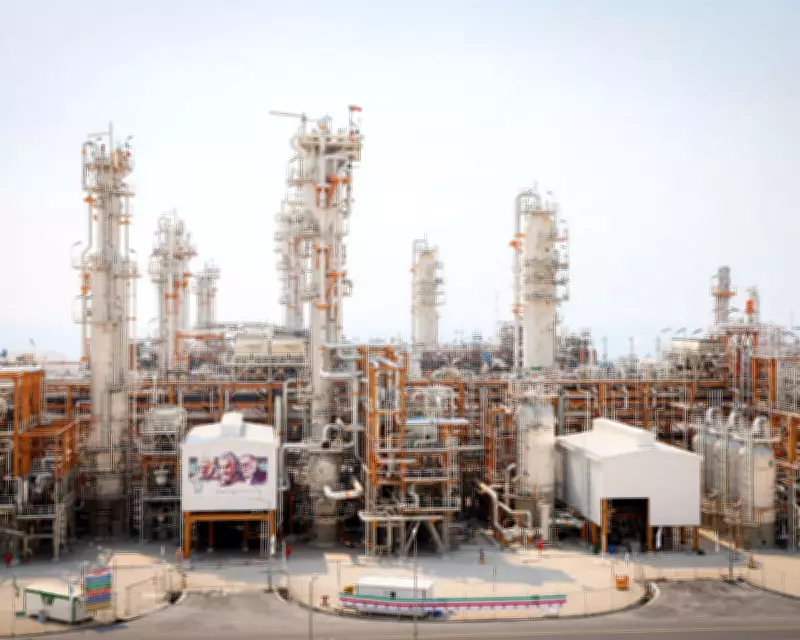
Trump Issues Stark Warning to Iran Over South Pars Gasfield Amid Escalating Conflict
In a dramatic escalation of the Middle East crisis, former US President Donald Trump has threatened to "massively blow up" the entirety of Iran's South Pars gasfield if Tehran continues to strike Qatari energy facilities. This warning comes after Israeli forces targeted the South Pars field, the world's largest gasfield shared between Iran and Qatar, prompting a sharp retaliation from Iran that has disrupted global energy supplies and heightened fears of a broader regional war.
Israeli Strike on South Pars Sparks Iranian Retaliation
Israel's decision to attack the South Pars gasfield on Wednesday marked a significant escalation in the ongoing conflict, now in its third week. The strike, which Trump claimed the US "knew nothing" about despite media reports suggesting prior awareness, led to a large fire at the site and prompted Iran to launch fresh attacks across the Middle East. These included strikes on Qatari liquefied natural gas (LNG) facilities at Ras Laffan, the world's largest LNG hub, causing "extensive damage" and "sizeable fires," according to state-run QatarEnergy.
In response, Trump took to social media to issue a stark ultimatum: if Iran chooses to retaliate further against Qatar, the United States, with or without Israel's consent, will destroy the entire South Pars gasfield with unprecedented force. He emphasized that Qatar was not involved in the Israeli attack and urged de-escalation, but his threats did little to calm global markets.
Global Energy Markets and Regional Fallout
The conflict has sent shockwaves through international energy markets, with Brent crude oil prices surging 6% to $114 a barrel and European natural gas prices jumping 23%. Asian stock markets, including Japan's Nikkei 225, fell sharply, dropping 3.4% as investors grappled with the potential for prolonged supply disruptions. The Strait of Hormuz, a critical waterway for global oil and gas shipments, remains largely closed, exacerbating concerns over energy security.
Regional tensions have intensified, with Saudi Arabia reporting Iranian ballistic missile attacks on Wednesday, leading its foreign minister to warn that trust with Tehran has been shattered. The United Arab Emirates (UAE) also condemned the strikes, describing them as a "dangerous escalation" that threatens global energy infrastructure. Abu Dhabi authorities were forced to shut down operations at key gas facilities due to Iranian attacks.
International Calls for Restraint and Humanitarian Concerns
French President Emmanuel Macron spoke with Trump and Qatar's Emir Sheikh Tamim bin Hamad al-Thani, calling for a moratorium on strikes targeting civilian infrastructure. He stressed the need to protect civilian populations and energy supplies from military escalation. Meanwhile, the European Union urged Israel to cease operations in Lebanon, where Hezbollah's involvement has drawn the country into the crisis, resulting in significant casualties and displacement.
In a tragic development, the Palestinian Red Crescent reported that three Palestinian women were killed in an Iranian missile attack in the occupied West Bank, marking the first deadly Iranian strike there since the war began. As the conflict shows no signs of abating, companies like Cathay Pacific have suspended flights to the region, anticipating at least another month of severe disruption.
With Trump's earlier prediction of a swift end to the war proving premature, the situation remains volatile, underscoring the profound economic and humanitarian impacts of the escalating Middle East crisis.




