From Verbal Sparring to Diplomatic Agreement: Trump and Petro Forge Unexpected Alliance
In a remarkable diplomatic turnaround, US President Donald Trump and Colombian President Gustavo Petro have reached a significant agreement to tackle drug trafficking following their first face-to-face meeting at the White House. This development comes after months of increasingly hostile rhetoric between the two leaders, who had previously exchanged insults ranging from "sick man" and "drug trafficking leader" to accusations of being an "accomplice to genocide" with a "senile brain."
A Meeting Marked by Unexpected Cordiality
The closed-door meeting, which excluded press access as has become standard for many foreign leader visits during this administration, concluded with surprisingly warm exchanges. Both governments shared images on social media platforms, with Petro posting photographs of signed memorabilia including Trump's 1987 book The Art of the Deal with a dedication reading "You are great" alongside the president's autograph.
In what appeared to be a tongue-in-cheek reference to pre-meeting reports suggesting he required an interpreter, Petro commented on social media platform X: "What was Trump trying to tell me in this dedication? I don't understand much English." The Colombian leader also shared a printed photograph bearing Trump's handwritten message: "Gustavo, a great honour. I love Colombia."
Substantive Discussions on Narcotics Cooperation
During a subsequent Oval Office press conference, President Trump confirmed that substantive discussions had taken place regarding Colombia's position as the world's largest cocaine producer, a frequent point of criticism in his previous remarks about Petro's administration. "We got along very well," Trump stated. "He and I weren't exactly the best of friends, but I wasn't insulted [with Petro's comments] because I never met him. I didn't know him at all, and we got along very well."
The US president characterized the meeting as "very productive" and "fantastic," noting that discussions would continue on "other issues, including sanctions." This represents a significant diplomatic shift given Trump's previous suggestions that Petro might face similar treatment to former Venezuelan president Nicolás Maduro, who was captured following US intervention.
Colombian Perspective and Ongoing Challenges
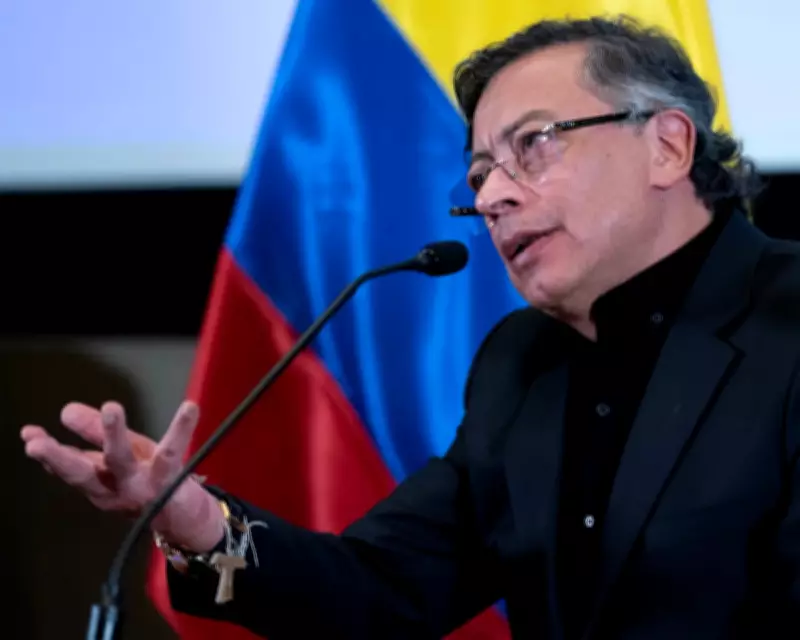
In an interview with Colombia's Radio Caracol, President Petro offered his assessment of the encounter: "The truth is, I like frank gringos. People who say what they feel. We are undoubtedly very different, but frankness comes first." The Colombian leader, who cannot seek re-election due to constitutional term limits, emphasized his government's record in drug interdiction during a press conference at Colombia's Washington embassy.
"We have seized more thousands of tonnes of cocaine than at any point in the history of humanity," Petro asserted. He revealed telling Trump that authorities must "go after the capos" - criminal bosses who "do not live in Colombia but in Dubai, in Madrid, in Miami. US agencies know who they are. I gave their names to President Trump."
Unresolved Issues and Symbolic Gestures
Despite the cordial atmosphere, several contentious matters remain unresolved. Notably, there was no immediate announcement regarding Petro's removal from the US Treasury Department's Office of Foreign Assets Control (OFAC) list, where he, his wife, son, and interior minister were included in October over alleged involvement in "the global illicit drug trade."
Petro clarified that this specific issue wasn't discussed during the meeting, attributing his listing to comments made during last year's UN summit in New York where he called on American soldiers to disobey illegal orders during pro-Palestinian rallies. These remarks had previously resulted in his visa revocation, requiring special authorization for this diplomatic visit.
Concrete Actions and Future Cooperation
In a demonstration of continued cooperation, the Colombian government extradited Andrés Felipe Marín Silva, known as "Pipe Tuluá" and identified as a major drug gang leader, to the United States just before the presidential meeting. Colombian Defence Minister Pedro Sánchez emphasized that this action demonstrated Colombia's reliability as a partner, committed to "working with the US with respect, cooperation and concrete actions, protecting citizens and suffocating those who live off crime."
The meeting's conclusion saw Petro departing the White House wearing a distinctive red "Make America Great Again" cap, a symbolic gesture that underscored the unexpected diplomatic thaw between leaders whose relationship had previously been characterized by public hostility and mutual criticism.