
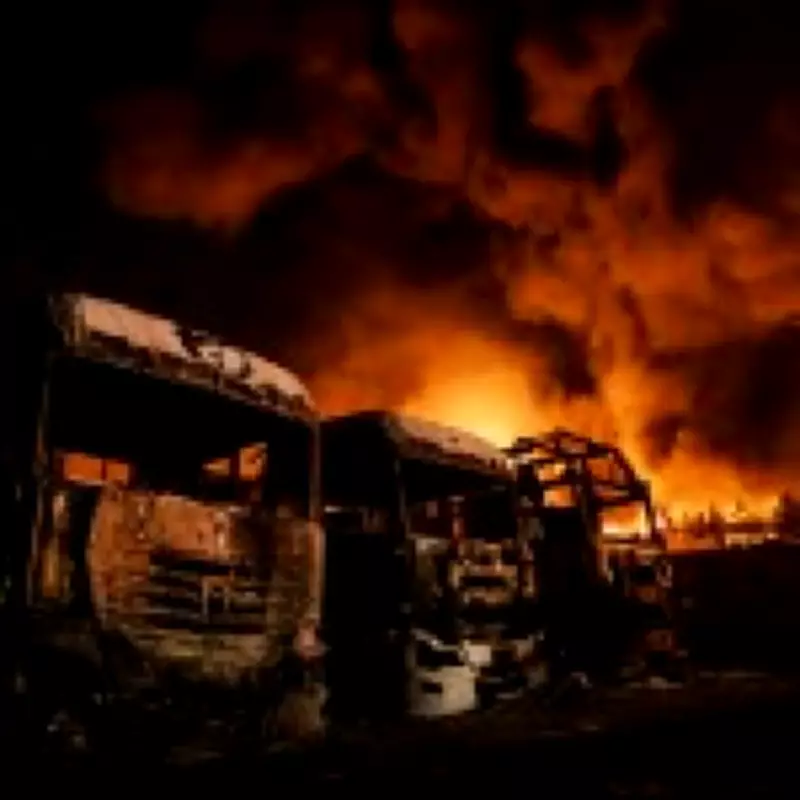
In a dramatic escalation of tensions, former US President Donald Trump has issued a stark 48-hour ultimatum to Iran, threatening to obliterate the nation's power plants if it fails to reopen the Strait of Hormuz to safe maritime traffic. The critical waterway, a vital global oil shipping route, has been effectively closed for nearly three weeks following retaliatory strikes by the US and Israel, sparking a sharp spike in worldwide energy prices and raising alarms over potential inflation surges.
Trump's Social Media Declaration
Writing on Truth Social late Saturday UK time, Trump declared: 'If Iran doesn't FULLY OPEN, WITHOUT THREAT, the Strait of Hormuz, within 48 HOURS from this exact point in time, the United States of America will hit and obliterate their various POWER PLANTS, STARTING WITH THE BIGGEST ONE FIRST!' This message, posted around 11:45 pm, sets a deadline expiring just before midnight on Monday, intensifying pressure in an already volatile crisis.
Background of the Strait Closure
The Strait of Hormuz, one of the world's busiest shipping channels for oil, was effectively shut down by Iran on March 3 in response to US and Israeli military actions. Trump initially suggested that the US Navy could escort tankers to ensure energy flow, but he has since backtracked, stating on Friday that other nations using the strait should police it, not the United States. This shift comes after a US request for international warship support was largely rejected, with global leaders, including UK Prime Minister Sir Keir Starmer, expressing reluctance to involve their forces directly.
UK Involvement and Political Reactions
Despite earlier hesitations, Downing Street authorized the use of British bases for US strikes on Iranian sites targeting the strait, citing an existing 'collective self-defence' agreement. However, this move has drawn criticism from opposition parties. The Liberal Democrats and Green Party have called for a parliamentary vote, with Green leader Zack Polanski labeling it 'another worrying escalation' in the conflict.
Economic and Energy Impacts
The ongoing crisis has severe economic repercussions. Forecasters predict that the war in Iran could drive up annual energy bills by £332 when the price cap is adjusted in July, potentially reaching the highest levels in three years. This projection has nearly doubled in less than three weeks, underscoring the rapid deterioration of the situation and its global financial toll.
As the deadline looms, international observers are closely monitoring developments, with fears that further military action could exacerbate energy shortages and inflame regional tensions. The ultimatum marks a pivotal moment in Trump's efforts to resolve the strait closure, highlighting the high stakes for global trade and security.




