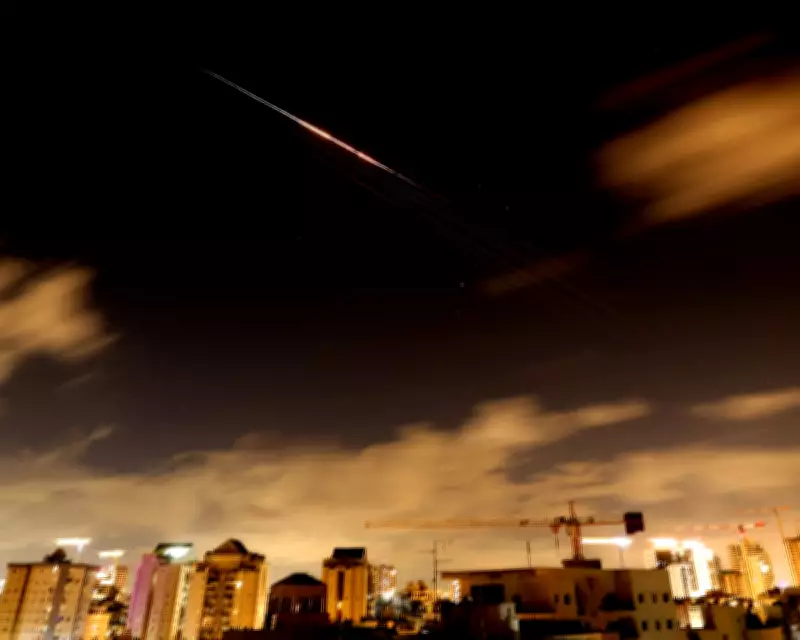
In a continuing escalation of geopolitical tensions, US President Donald Trump has announced another extension of his pause on threats to strike Iran's energy infrastructure. The new deadline is set for 10 days, pushing it to April 6, with Trump claiming the request originated from Tehran and that negotiations are progressing "very well."
Background of the Conflict
This development follows a series of volatile statements from the US administration. Last Saturday, Trump threatened to target Iranian energy assets if Tehran did not reopen the Strait of Hormuz. By Monday, he had postponed this threat for five days, citing "very good and productive conversations" with Iran aimed at ending the ongoing US-Israel war on Iran. However, Iranian officials dismissed these claims as "fake news" designed to manipulate global oil markets.
Oil Market Reactions
The announcement has had immediate effects on global markets. Following Trump's latest statement, the price of Brent crude oil dropped. Earlier in the week, oil prices had surged to their highest levels, with Brent crude trading at approximately $108 per barrel after a Trump cabinet meeting on Thursday. This volatility underscores the significant impact of Middle Eastern conflicts on the global economy.
Regional and International Responses
Amid these tensions, Yemen's Houthi group has attempted to allay fears, stating there is no need for concern even if Trump follows through on threats to seize Iran's Kharg Island. They suggested Tehran might not retaliate by attacking shipping in the Red Sea. Meanwhile, a senior Iranian official told Reuters that a US proposal to end nearly four weeks of fighting is "one-sided and unfair," highlighting the diplomatic challenges.
Trump's Negotiation Stance
Trump has vehemently rejected reports that he is desperate to secure a deal, despite mounting political pressure and soaring oil prices. "I read a story today that I'm desperate to make a deal," Trump told reporters. "I'm the opposite of desperate. I don't care." He also claimed that Iran is allowing some oil tankers through the Strait of Hormuz as a gesture of good faith, specifically mentioning 10 tankers as a "present" to show seriousness in negotiations.
Military and Strategic Developments
On the military front, the Pentagon is reportedly considering deploying up to 10,000 additional ground troops to the Middle East. According to the Wall Street Journal, this move aims to provide Trump with more military options as he engages in peace talks with Tehran. Concurrently, the Israel Defence Forces' chief of staff has warned of potential collapse due to increasing demands and manpower shortages while fighting on multiple fronts, as reported by Israeli media.
Incidents in the Strait of Hormuz
Adding to the complexity, a Thai-flagged cargo ship, which was hit by unknown projectiles in the Strait of Hormuz earlier this month, has run aground off Iran's Qeshm Island, according to Iran's Tasnim news agency. This incident underscores the ongoing risks to maritime security in the region.
The situation remains fluid, with the potential for significant consequences for regional stability, global security, and economic markets as negotiations continue under a tight deadline.