Official Home Office statistics on terrorism arrests present a deceptively calm picture on the surface, reporting 255 terrorism-related arrests in 2025, a mere 2% increase from the previous year's 250. However, this figure masks a far more alarming reality that has profound implications for civil liberties and national security.
The Hidden Surge in Terrorism Arrests
Delving deeper into the data reveals that the actual number of terrorism arrests in 2025 was 3,034, representing a staggering 1,114% increase compared to 2024. This dramatic uptick would typically trigger immediate concern among security services and policymakers, yet it has largely flown under the radar due to a critical omission in the official reporting.
Judicial Review Excludes Protest Arrests
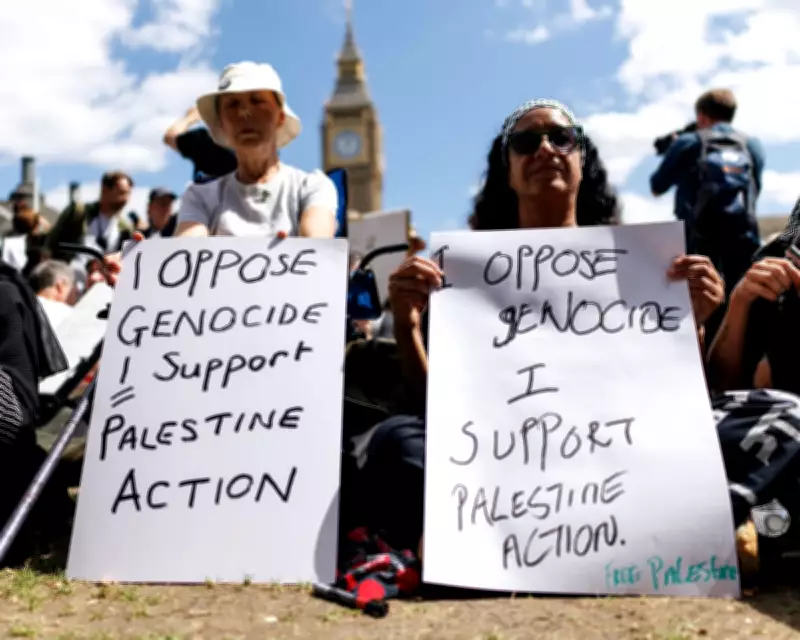
Counter Terrorism Policing has acknowledged that thousands of arrests related to Palestine Action protests have been excluded from the official statistics "due to the ongoing judicial review and subsequent appeal." This exclusion means that 2,779 additional arrests—primarily involving individuals participating in Palestine Action demonstrations—are not reflected in the publicly released data.
The rationale behind this omission is understandable from a legal perspective: if Palestine Action is ultimately determined not to be a terrorist organization through judicial review, including these arrests in terrorism statistics would be misleading. However, this practice raises serious questions about transparency and the true scale of state responses to protest movements.
Demographics of Those Arrested
Perhaps most striking is the demographic profile of those apprehended during these protests. Eyewitness accounts and available data indicate that approximately half of those arrested were aged 60 or older, with more individuals over 80 being detained than those under 20. This challenges conventional assumptions about who participates in and faces consequences for protest activities.
The personal impact of these arrests cannot be overstated. One individual described how two middle-aged children had to leave a birthday celebration to retrieve their arrested parents from a police station. Another received a Christmas card from their child with the Shakespearean reference "The lady doth protest too much, methinks" after their arrest—a poignant reminder that these are real people facing serious legal consequences for their activism.
The Ordeal of Terrorism Arrests
Regardless of the eventual legal outcomes, being arrested on terrorism charges represents a significant ordeal for those involved. The stigma, legal proceedings, and personal disruption create substantial burdens that don't simply vanish if charges are later dropped or organizations are de-proscribed.
This situation creates a troubling paradox: while the state maintains it is following proper legal procedures by excluding these arrests from terrorism statistics pending judicial review, thousands of citizens are experiencing the full weight of terrorism-related arrests and their accompanying consequences.
Broader Implications for Protest and Security
The massive increase in arrests—even if temporarily excluded from official statistics—raises fundamental questions about:
- The proportionality of state responses to protest movements
- Transparency in government reporting on security matters
- The definition and application of terrorism legislation
- The impact on civil liberties and protest rights
- How demographic trends in activism challenge security assumptions
As the judicial review process continues, the true nature of these arrests and their justification will become clearer. However, the current situation—where terrorism arrests have increased more than elevenfold but are partially hidden from public view—represents a significant challenge for democratic accountability and the relationship between state security apparatus and citizen activism.