Sydney Inquest Reveals Officer Could Not Activate Camera Before Fatal Shooting
A police officer testified at a coronial inquest that he lacked sufficient time to activate his body-worn camera before fatally shooting a Sydney man during a psychotic episode. The incident, which occurred in May 2023, has intensified scrutiny over police responses to mental health crises.
Details of the Tragic Incident
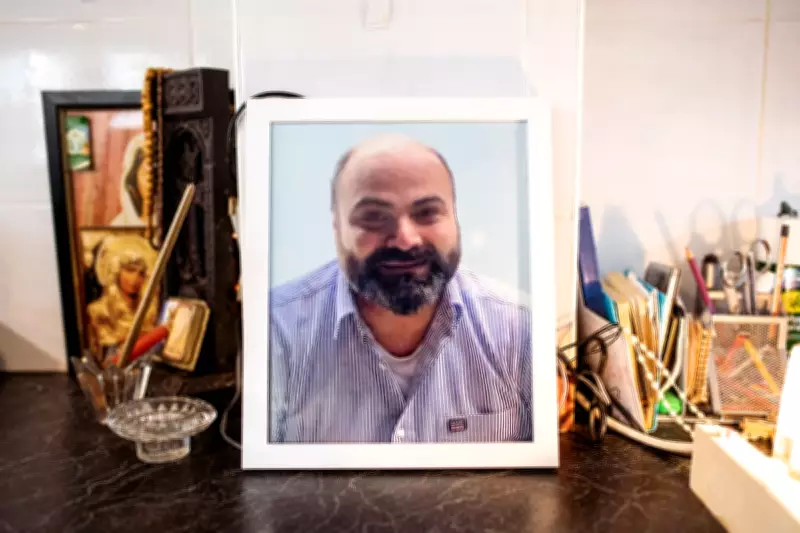
Steve Pampalian, a 41-year-old hairdresser, was shot three times by Constable Jason Bryan in the driveway of his North Willoughby home. The shooting took place after Pampalian experienced a psychotic episode, during which he moved towards officers while holding two kitchen knives. According to Bryan, he did not have enough time to turn on his camera before the critical moments unfolded, although it was later activated at an unspecified point.
The second responding officer, Constable Elizabeth Trupiano, was not equipped with a body-worn camera at all. She informed the inquest that between 25% and 50% of the cameras at Chatswood police station were non-functional at the time, and none were available for her use that day.
Broader Context of Police Interactions
Pampalian was the second of four vulnerable individuals who died in separate incidents over consecutive months in 2023 following police interactions. These cases, including those of Clare Nowland, Jesse Deacon, and Krista Kach, have sparked increased public and official examination of how law enforcement handles mental health situations.
In 2022, the New South Wales government allocated $100 million for technology to automatically activate body-worn cameras when officers draw Tasers or firearms. However, this initiative was delayed indefinitely in 2023, raising questions about resource allocation and officer preparedness.
Witness Accounts and Officer Testimonies
Neighbors reported seeing Pampalian in a distressed state, muttering to himself and chasing a woman up the street on the morning of the incident. Ben Carstein, a witness, described Pampalian's facial expressions as contorted, indicating a psychotic state. Most neighbors did not recognize Pampalian, despite his long-term residence on the street with his parents.
Bryan recounted that he responded to what he believed was an active break-in, not a mental health incident. He stated that Pampalian appeared suddenly, holding knives and running towards him, though not at a full sprint. Bryan fired his gun multiple times, recalling that Pampalian fell to his knees after one shot but got back up before being shot again.
Trupiano supported this account, noting that the entire sequence felt like less than 30 seconds. However, her memory was described as foggy, and her initial statement did not include details about Pampalian falling to his knees. Witnesses provided varying perspectives, with some describing Pampalian as charging and others noting his usual slow movement.
Aftermath and Ongoing Scrutiny
Following the shooting, neither officer administered first aid. Bryan attributed this to a physical reaction to emotional stress, stating he was incapable of performing such duties at the moment. When questioned about alternative measures, Bryan asserted that capsicum spray or a stun gun were inappropriate due to the immediate threat to life.
The inquest continues to explore the circumstances surrounding Pampalian's death, highlighting systemic issues in police training, equipment availability, and mental health response protocols. This case underscores the urgent need for improved strategies to de-escalate crises involving vulnerable individuals.