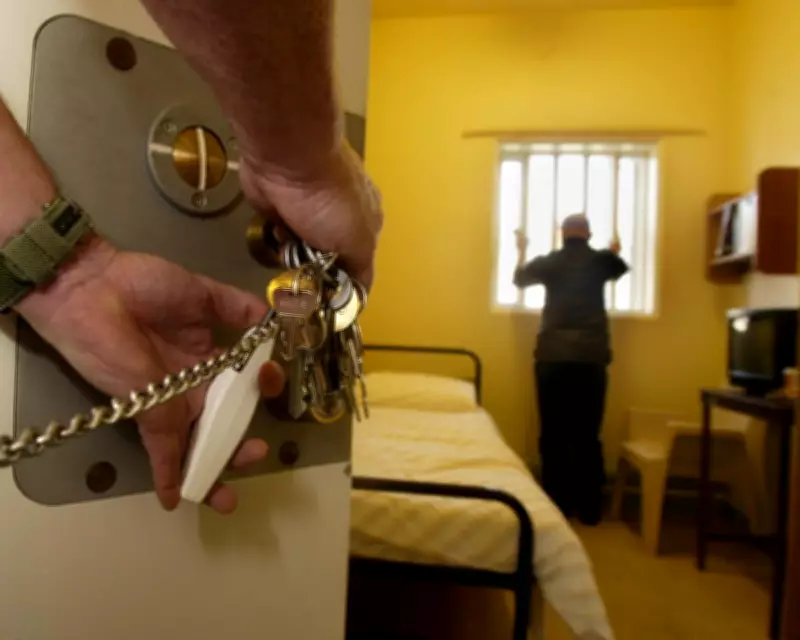
In a significant move to enhance prison security, the UK government has announced plans to introduce "supermax-style units" for the most dangerous criminals in England and Wales. Deputy Prime Minister David Lammy revealed this strategy to MPs, outlining a new tiered system for separation centres that will house violent and disruptive extremist prisoners.
Transforming Separation Centres
Lammy stated that the current separation centres, which are special units within prisons designed for Islamist extremists, will undergo a complete overhaul. This transformation follows the recommendations of Jonathan Hall KC, the independent reviewer of terrorism legislation, whose report was published recently. Hall's review, commissioned in May, proposed 13 key changes to improve the management and operation of these facilities.
Key Recommendations Accepted
The government has accepted all of Hall's recommendations in full. These include:
- The creation of a new tiered separation centre system, with stricter conditions for the most dangerous extremists.
- A system where privileges can be earned or revoked based on closely monitored behaviour standards.
- Consideration of new legislation to protect decisions made by experienced staff in separation centres from challenges under human rights laws.
- An expert-led review of training for prison staff to ensure they are equipped to handle high-risk inmates.
- Further improvements to intelligence collection practices to reduce unnecessary bureaucracy and enhance security.
Human Rights Legislation Concerns
One of the most contentious aspects of the plan involves potential changes to human rights legislation. Hall noted in his report that prisoners have previously used Article 8 of the European Convention on Human Rights (ECHR) to challenge conditions in separation centres. He recommended that the government take steps to limit the application of this article in such cases.
Lammy echoed this concern, stating that the government will explore legislative options to protect staff decisions from mitigation on Article 8 grounds. This comes after a high court ruling found that a convicted terrorist had his human rights breached by being isolated from other prisoners. Lammy emphasised that any changes would remain compliant with the UK's obligations under the ECHR.
Political Reactions
The announcement has sparked debate among political figures. Shadow Justice Secretary Nick Timothy argued that the UK must leave the ECHR entirely to prevent prisoners from using it to "escape separation centres." This highlights the broader political tensions surrounding human rights and prison reform in the UK.
Implementation and Locations
Lammy confirmed that the design of the new tiered system will begin immediately, with movement between tiers permitted only after rigorous new risk assessments. The supermax-style units are intended for the most violent and disruptive prisoners, drawing inspiration from similar facilities in the United States.
Currently, separation centres are located at HMP Full Sutton near York, HMP Frankland in County Durham, and HMP Woodhill in Milton Keynes. These prisons will likely be the first to see the implementation of the new system, pending further details from the government.
The deputy prime minister also mentioned that funding for these changes will be explored at the next spending review, indicating that financial considerations will play a crucial role in the rollout of the tougher units.