
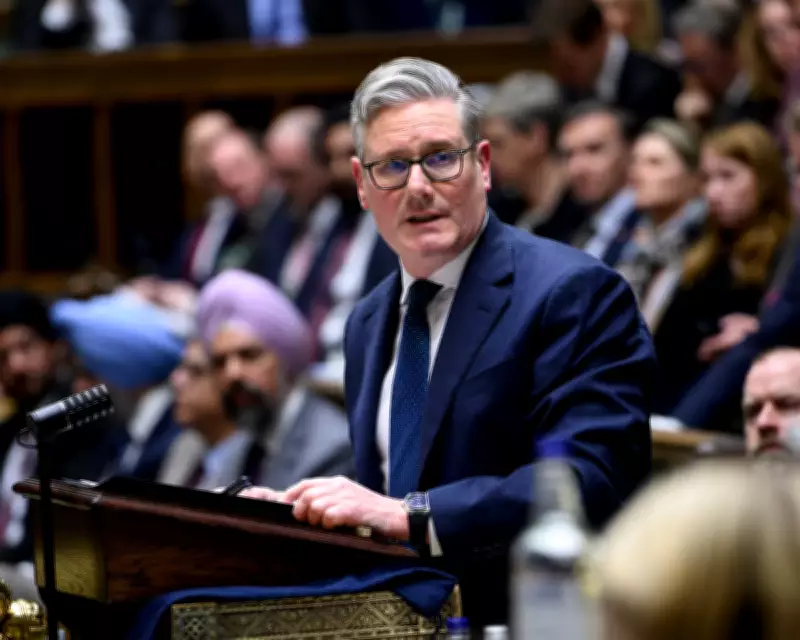
Starmer Pledges to Learn from Iraq Invasion in Handling Iran Crisis
Prime Minister Keir Starmer has assured Members of Parliament that the United Kingdom has absorbed critical lessons from the controversial Iraq invasion, vowing that the government will always operate on a lawful basis with a viable, thought-through plan in the escalating Middle East conflict. This declaration came during a tense Commons session, where Starmer implicitly criticized the initial US and Israeli strikes against Iran as potentially lacking legal grounding and careful consideration.
Historical Shadow of Iraq Haunts Labour's Foreign Policy
The legacy of Tony Blair's support for the 2003 US-led invasion of Iraq continues to cast a long shadow over the Labour Party, influencing its approach to military interventions. This spectre was evident in 2013 when then-leader Ed Miliband blocked UK action in Syria, and it resurfaced powerfully this week as Starmer addressed the crisis with Iran. The prime minister emphasized that his government does not believe in regime change from the skies, a clear reference to the shock and awe tactics of past conflicts.
Starmer's remarks mark a significant moment in his premiership, as he navigates the delicate balance of maintaining close relations with US President Donald Trump while facing domestic criticism. After Trump publicly complained about UK delays in allowing the use of British bases for strikes, Starmer defended the deliberate decision-making process, though he later relented under evolving circumstances.
Legal Nuances and Evolving Threats Shape UK Position
The UK initially denied US requests to use bases like Diego Garcia and RAF Fairford for strikes aimed at regime change, citing potential breaches of international law. However, after Iranian missiles and drones began threatening hundreds of thousands of British citizens across the region, the government adjusted its stance. New legal advice from Attorney-General Lord Hermer concluded that defensive strikes against Iranian missile facilities could constitute legitimate self-defence.
We were not involved in the initial strikes on Iran, and we will not join offensive action now, Starmer told Parliament, but we will protect our people in the region and support the collective self-defence of our allies. Officials argued that destroying missiles before launch was necessary to protect British lives, comparing it to targeting the archer rather than trying to intercept arrows in flight.
Uncertain Future and Regional Reverberations
The impact of US-Israeli airstrikes is expected to reverberate across the Middle East for months or even years, with Starmer expressing deep uncertainty about American plans beyond the initial military phase. Drawing from Iraq's lessons, he highlighted the need for a comprehensive strategy for peace and stability once combat subsides, something he believes is currently lacking. Parts of the British government reportedly feel real dread about what lies ahead, underscoring the precarious nature of the conflict.
Starmer's approach reflects a cautious, legally-grounded foreign policy aimed at avoiding past mistakes while addressing immediate threats. As the situation develops, the UK's commitment to lawful action and viable planning will remain central to its response in this volatile region.




