Starmer Advocates for NATO Continuity and Enhanced European Defense Efforts
Prime Minister Keir Starmer has emphasized that it is in the best interests of the United States to remain a member of NATO, while also calling for European nations to bolster their contributions to the alliance. This statement comes in response to former President Donald Trump's repeated threats to withdraw the US from the defense pact, particularly in light of the ongoing conflict involving Iran.
Pushing Back Against Trump's NATO Threats
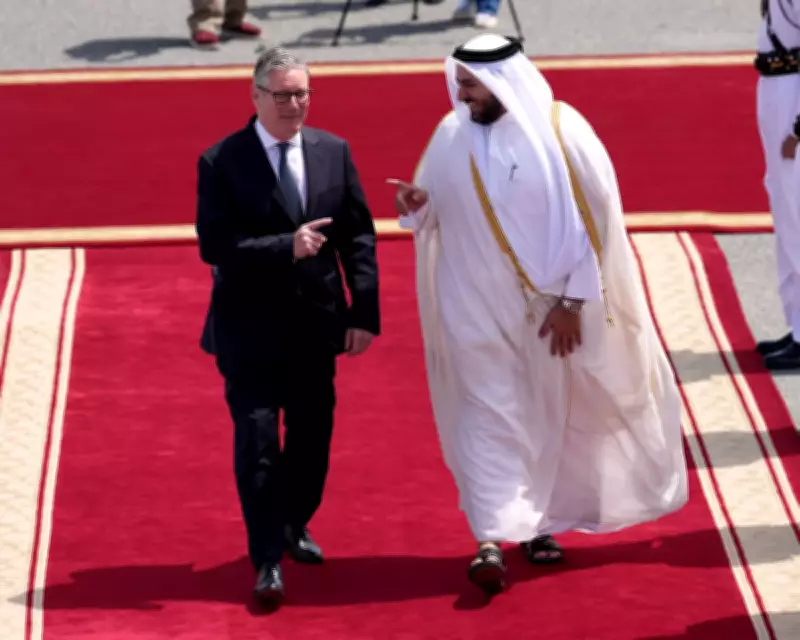
Speaking at the conclusion of a diplomatic tour across the Gulf region, which included stops in Qatar, Saudi Arabia, the United Arab Emirates, and Bahrain, Starmer addressed Trump's criticisms. The US president has frequently lambasted European NATO members for their reluctance to participate more actively in military strikes against Iran, even suggesting a potential US exit from the alliance.
Starmer acknowledged Trump's point regarding the need for increased defense spending by European countries, stating, "We're very strong supporters of NATO and I've been making the argument for some considerable time that we need to do more." He described NATO as "the single most effective military alliance the world has ever known" and affirmed that a stronger European role within the alliance is essential for collective security.
Discussions on Gulf Security and Ceasefire Concerns
During his trip, Starmer focused on securing a tentative ceasefire and exploring measures to fully reopen the Strait of Hormuz, a critical commercial waterway that Iran had effectively blocked following attacks by the US and Israel. In a phone conversation with Trump on Thursday night, much of the discussion centered on ensuring safe passage for ships through this strait, which is vital for global oil and gas shipments.
Starmer highlighted shared concerns with Gulf leaders about the fragility of the ceasefire, noting that continued Israeli attacks on Lebanon and potential Iranian retaliation pose significant threats. He stressed the importance of avoiding any tolls or restrictions on navigation through the Strait of Hormuz, a proposal previously floated by Trump.
UK's Defense Contributions and Diplomatic Stance
While the United Kingdom declined to participate in offensive strikes against Iran, it played a key role in defensive operations, with UK forces assisting in intercepting Iranian drones and missiles aimed at Gulf states. UK bases were also made available to US aircraft for defensive missions, underscoring the strategic partnership between the two nations.
Defence Secretary John Healey remarked that the UK's actions in the region "spoke for themselves," urging observers to look beyond Trump's social media rhetoric and focus on tangible military cooperation. He emphasized the value of UK basing permissions for US operations, reinforcing the fundamental strength of the bilateral relationship.
Starmer concluded by reiterating NATO's defensive nature and its historical role in enhancing security, asserting that both American and European interests are best served by maintaining a united front within the alliance.