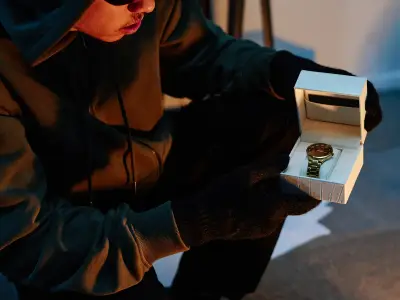
In a dramatic twist, the Russian state's campaign to clamp down on its vast, illicit market for leaked personal data has spectacularly backfired, according to experts. Instead of stemming the flow of sensitive information, the crackdown has removed the last restraints, triggering a deluge of damaging leaks that are now being exploited by Ukrainian intelligence and criminal syndicates alike.
The Shadow Economy: Russia's Parallel Information Market
For over a decade, Russia has hosted a sprawling black market for data known as 'probiv' – a term derived from the verb meaning to 'punch into a search bar'. This shadow ecosystem flourished on the back of widespread corruption, with traffic police, bank employees, and low-level security officials selling access to restricted government and corporate databases.
While data leaks occur globally, the scale and routine nature of probiv is uniquely Russian, born from the country's deeply corrupt state infrastructure. For a modest fee, sometimes as little as $10, buyers could obtain passport details, home addresses, travel histories, and internal police records. More expensive packages offered entire dossiers, including phone metadata and movement logs.
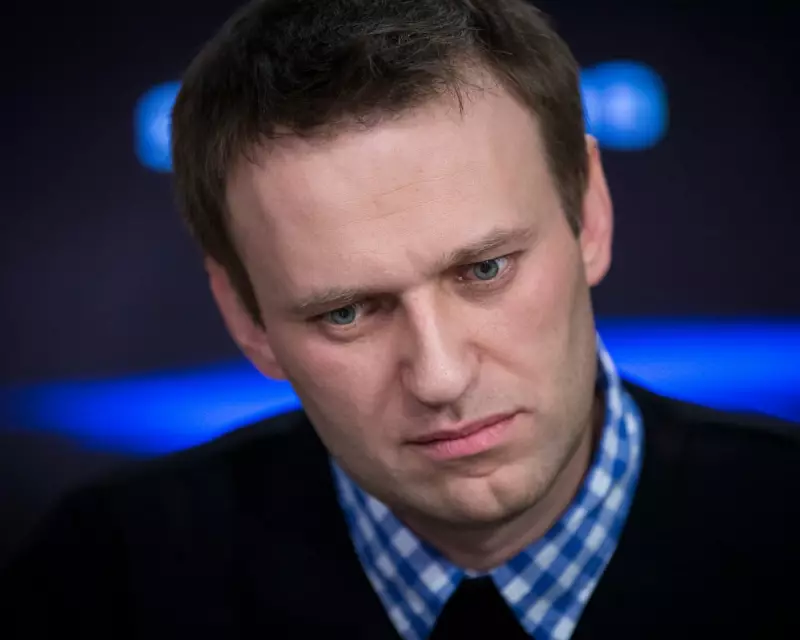
This market served a paradoxical purpose. It was indispensable to investigative journalists, who used it for high-profile revelations, such as tracing the FSB security unit implicated in the poisoning of the late opposition leader Alexei Navalny. Simultaneously, it was a tool for the police and security services themselves, who routinely tapped into the black market to monitor activists and opposition figures.
"It is one of the paradoxes of modern Russia," said Andrei Zakharov, an investigative journalist who authored a book on probiv. "These services are illegal, yet they are far more convenient for day-to-day police work than the multitude of official departmental databases."
The War Changes Everything: From Convenience to Threat
The Kremlin's tolerance for this parallel information economy began to evaporate as the war in Ukraine dragged into its fourth year. The probiv market was increasingly viewed not as a convenient tool, but as a direct national security threat.
Phone scam rings were using leaked data on an industrial scale. More alarmingly for the state, Ukrainian intelligence agencies learned to navigate Russia's porous information landscape, using it to identify and target military officials inside Russia. The threat became personal for the elite when President Vladimir Putin admitted during a national phone-in that a close friend had fallen victim to a telephone scam.
This incident, Zakharov noted, was the signal for a severe crackdown. Over the past year, Putin has signed laws dramatically tightening penalties for data leaks, introducing prison sentences of up to 10 years for accessing or distributing such information. Security services launched an aggressive hunt, detaining brokers and targeting infrastructure. A high-profile arrest was the team behind Usersbox, one of the most widely-used and cheapest probiv services.
Crackdown Backfires: 'All Brakes Are Off'
However, the Kremlin's war on probiv has produced the opposite of its intended effect. Rather than shutting down the market, it has destabilised it and pushed key operators beyond the state's control.
"Before, they still worked with the security services, or would think twice before releasing something extremely sensitive. Now all their brakes are off," Zakharov explained. "They're dumping one sensitive leak after another."
Facing arrest at home, many leading probiv brokers have relocated their operations abroad, where they are free from informal deals with Russian security services and the fear of immediate detention. This exodus has led to a surge in high-impact leaks.
Zakharov cited the massive 2023 leak of an FSB border database, known as Kordon-2023, which contained details of individuals crossing Russia's borders between 2014 and 2023. He described it as one of the largest and most consequential leaks to date. Established services like Himera, once known for cooperating with authorities, have cut off law enforcement access and moved staff overseas.
The vacuum has been eagerly filled by ideologically motivated actors. Since the full-scale invasion, pro-Ukrainian hacker groups have repeatedly breached Russian state and commercial systems, releasing stolen data openly and often for free. In one major incident, the KibOrg hacker group published a database from Alfa Bank, Russia's largest private commercial bank, allegedly containing data on roughly 24 million individuals and 13 million organisations.
"Taken together," Zakharov concluded, "it has never been easier to find private Russian data on the market." The Kremlin's attempt to rein in its shadow data economy has not only failed but has accelerated its transformation into an unmanageable threat, empowering its adversaries and fuelling domestic criminality in the process.