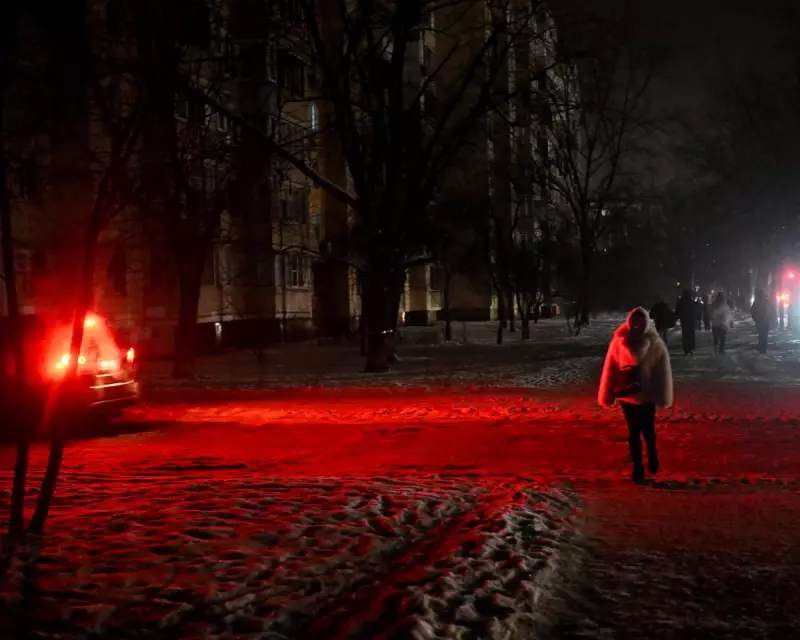
Ukraine is facing a severe and escalating energy emergency as sustained Russian attacks continue to devastate the nation's power infrastructure. The latest major strike destroyed a significant energy facility in Kharkiv, the country's second-largest city, leaving millions without reliable heat and electricity during freezing winter temperatures.
Latest Attacks and Immediate Fallout
On Thursday, Russian forces targeted and destroyed a large energy plant in Kharkiv. Mayor Ihor Terekhov confirmed the attack on Telegram, stating that emergency crews were now working around the clock to manage the fallout. The precise nature of the facility was not disclosed, but regional governor Oleh Syniehubov confirmed officials were urgently assessing the extensive damage.
The assault on Kharkiv is part of a wider winter air campaign by Moscow that has systematically targeted Ukraine's energy grid. In the capital, Kyiv, the situation remains dire. Mayor Vitali Klitschko reported that approximately 300 apartment buildings are still without heat following a major attack on 9 January, which initially knocked out heating to half of the city's high-rise buildings. President Volodymyr Zelenskyy noted that strikes on Kyiv continued into Thursday evening.
International Response and Emergency Measures
In response to the crisis, the United Kingdom announced a new package of emergency energy support worth £20 million (approximately $27 million). This funding, pledged on Friday, is aimed at keeping electricity and heating running in homes, hospitals, and schools throughout the winter. The aid follows President Zelenskyy's declaration of a state of emergency across Ukraine's energy sector.
Domestically, the Ukrainian government has enacted swift countermeasures. Prime Minister Yulia Svyrydenko introduced steps to deal with the widespread outages, including reducing overnight curfews and permitting businesses and government institutions to import more power. In a move to protect children, school holidays in Kyiv have been extended until 1 February.
The international diplomatic and financial response is also mobilising. Foreign Minister Andrii Sybiha revealed that the foreign and energy ministries have organised a dedicated appeal for funds to tackle the energy crisis, similar to regular meetings on arms supplies. Norway has already provided an initial grant of $200 million. Furthermore, IMF Managing Director Kristalina Georgieva is in Kyiv for high-level talks, her first visit since 2023, as Ukraine seeks crucial funding nearly four years into the full-scale invasion.
Diplomatic Discussions and Internal Challenges
NATO Secretary General Mark Rutte spoke with President Zelenskyy on Thursday, discussing the devastating impact of the Russian strikes on Ukraine's energy situation. Rutte posted on X that they talked about the "terrible human suffering" caused and reiterated NATO's commitment to ensuring Ukraine receives the support needed for both defence and a lasting peace.
Zelenskyy used the conversation to highlight the "serious challenges" posed by the attacks and the urgent need to bolster Ukraine's air defences. He also pushed back against comments from former US President Donald Trump, asserting in his nightly video address that "Ukraine has never been and will never be an obstacle to peace."
Amid the external crisis, Ukraine faces internal political scrutiny. Anti-corruption investigators have reportedly charged prominent opposition figure and former Prime Minister Yulia Tymoshenko with organising a scheme to bribe MPs, including alleged figures from Zelenskyy's own party, to undermine him. Tymoshenko has denied the accusations.
As emergency crews work tirelessly across Kyiv, Kharkiv, and other cities, the combined assault on Ukraine's energy infrastructure represents a critical front in the war, aiming to break civilian morale during the harshest months of the year.