Russian Intelligence Exploits Online Platforms to Recruit Ukrainians for Sabotage
In a chilling development, a recent bomb attack in the town of Bucha, near Kyiv, has exposed the shadowy operations of Russian intelligence services, which are increasingly recruiting Ukrainians to carry out acts of sabotage against their own country. This incident underscores a disturbing trend where vulnerable individuals are drawn in through online platforms, promised financial incentives, and coerced into participating in attacks that spread fear and distrust within Ukrainian communities.
From Gaming to Terrorism: The Case of Bohdan Tymchenko
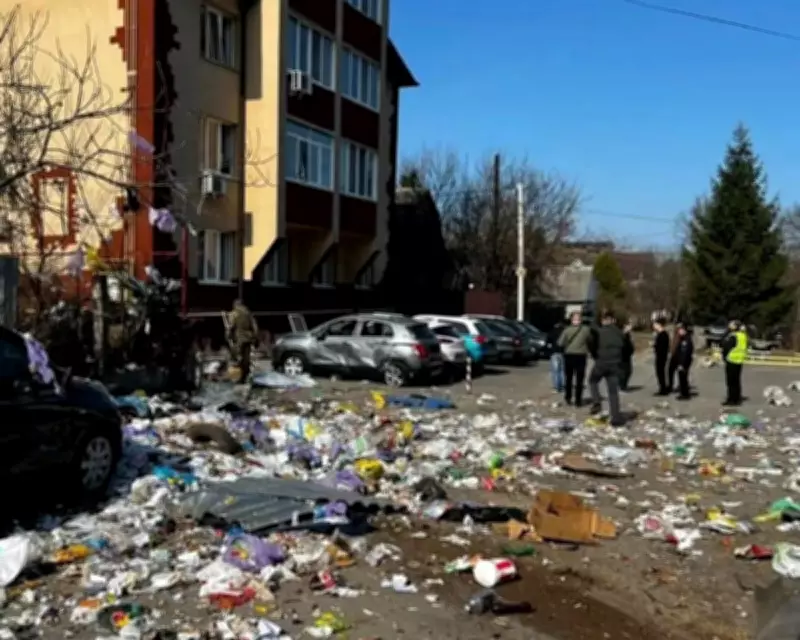
Bohdan Tymchenko, a 21-year-old resident of Bucha, exemplifies this pattern. In March, he was a quiet, unassuming man who spent his evenings playing the popular video game World of Tanks. However, within two weeks, he transformed into a saboteur, planting two bombs outside his apartment building. Ukrainian investigators believe that Tymchenko was first approached by a Russian handler in the game's online chat, who then guided him via the messaging app Telegram on how to source materials, assemble the devices, and execute the attack. In return, he was promised $1,200 (£900).
The explosions occurred in the early hours of the morning, following the hallmarks of a double-tap attack. An initial blast at approximately 5:30 am was followed by a second device detonating nearly two hours later, injuring two police officers who had arrived at the scene. Dmytro Prokudin, head of the Kyiv regional prosecutor's office, expressed outrage, stating, "It's a stab in the back. It doesn't really get worse than one of your own citizens doing this." He added that such cases are becoming increasingly common.
A Growing Threat: Recruitment and Coercion Tactics
Ukraine's security service, the SBU, has identified over 800 Ukrainians, including at least 240 minors, recruited by Russia over the past two years. These individuals are targeted for attacks on critical infrastructure and draft offices, with the goal of spreading uncertainty and fear. Russian handlers often cast a wide net online, engaging potential recruits in casual conversations before escalating contact. Money is typically the primary motivator, but in some cases, Ukrainian relatives in Russian-occupied territories are used to exert pressure.
The recruitment process is convoluted, involving multiple intermediaries and Telegram handlers, making it difficult to trace and identify those responsible. Prokudin noted, "There are clearly large numbers of Russians working on sabotage operations inside our country, identifying and exploiting weak links." This strategy mirrors broader patterns seen across Europe, where intelligence agencies are grappling with Russian-sponsored sabotage, arson, and disinformation campaigns.
Community Shock and Psychological Impact
For residents of Bucha, a town that has become synonymous with the brutality of Russia's invasion, the idea that the threat could come from within is deeply unsettling. Inna, a pensioner who lives next door to Tymchenko, survived the town's brief Russian occupation in 2022 but lost friends. She said, "Russia wants to make us feel unsafe and create chaos, after everything we have already been through." Initially, many assumed the explosions were from a Russian drone or missile strike, only to be confused by the lack of an air raid alert.
Another resident recalled seeing two large black rubbish bags near the entrance hours before the blasts but thought nothing of it. "How could I imagine they were bombs? It didn't even cross my mind," she said. The case is particularly puzzling because Tymchenko came from a military family; his brother was killed fighting for Ukraine and posthumously awarded a medal for bravery, while his mother serves as a medic in the armed forces. Prosecutors are still investigating his motives and whether he was specifically targeted due to his background.
Broader Implications and European Context
This incident highlights Russia's use of proxies in Ukraine as part of a wider strategy to destabilize regions. A senior European intelligence officer, speaking anonymously, stated, "Moscow's sabotage activities in Ukraine mirror what we are seeing elsewhere in Europe. They use the same tactics, the same methods, the same platforms. Ukraine is often the testing ground." Fake calls have been used to lure first responders into traps, creating a climate of distrust where even genuine emergencies are met with hesitation.
Prokudin described a recent case where police were called to a reported domestic tragedy but hesitated to enter due to fears of a setup. "This is exactly Russia's goal," he emphasized. As Ukraine continues to face these covert threats, the need for vigilance and robust counterintelligence measures becomes increasingly critical to protect civilians and maintain national security.