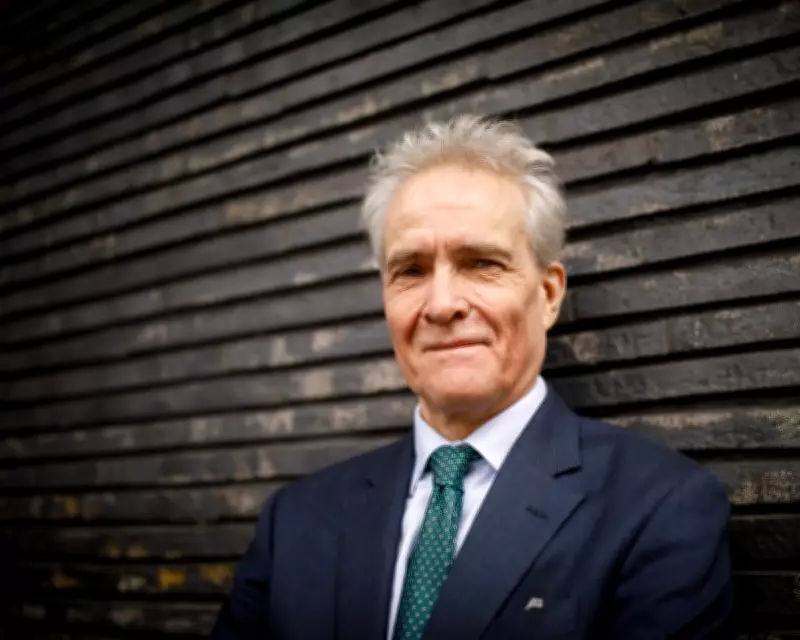
Prisons Watchdog Demands Isolation for Jailed Drug Dealers
Charlie Taylor, HM Inspector of Prisons for England and Wales, has issued a stark warning, urging authorities to treat imprisoned drug dealers with the same isolation and assertive management as radical extremists. His comments highlight escalating concerns over a cycle of violence fueled by large-scale drug smuggling into prisons, which he describes as a consequence-free environment for major criminals.
Call for Radical Rethink on Prison Management
In an interview, Taylor emphasized that serious organized crime gang members are operating with impunity behind bars, running lucrative drug operations from the moment they enter jail. He advocates for separating these individuals from the general inmate population, subjecting them to regular searches, and using dogs to detect contraband. "We should be thinking about assertively managing some of these people within prisons," Taylor stated, pointing to the success of separation centers for Islamist extremists as a model.
A report by the justice select committee underscores the severity of the issue, finding that drug use in prisons is endemic, leading to increased violence and debt among inmates. Recent inspections at high-security facilities like HMPs Manchester, Swaleside, and Woodhill have revealed soaring violence linked to drugs, with more than one in ten men and nearly two in five women developing drug habits while incarcerated.

Drones Pose National Security Threat
Taylor identified drones as a critical vulnerability, labeling their use to bypass prison defenses a national security threat. He cited instances where drones delivered weapons into HMP Long Lartin, which houses terrorist offenders, and large packages containing items like mobile phones, cannabis, and pharmaceuticals. "The state should be rallying around, and I don't think it has done," he remarked, criticizing the slow response to this emerging danger.
Concerns Over Prisoner Recalls and Public Safety
As his tenure ends in October, Taylor expressed worries about the Prison Service's lack of planning for an influx of prisoners under new recall policies. Since March 31, short-term recalls have been replaced with 56-day releases for license breaches, raising questions about rehabilitation and risk management. He warned that this could lead to a revolving door scenario, increasing risks to domestic abuse survivors as ex-offenders are released without adequate support, potentially returning to victims' homes.
The Ministry of Justice responded by highlighting investments over £40 million in prison security, including £10 million for anti-drone measures, to combat illicit items. However, they did not directly address Taylor's call for isolating drug dealers, instead emphasizing efforts to clamp down on contraband and ensure public safety through improved risk assessments.