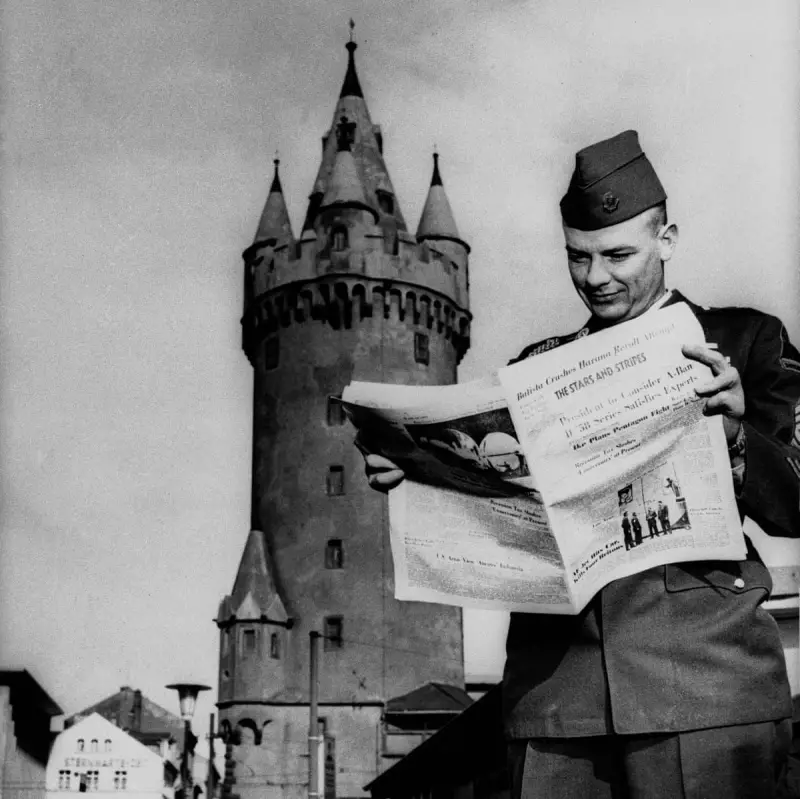
Press freedom advocates have issued a stern condemnation after the Pentagon moved to seize editorial control of Stars and Stripes, the independent daily newspaper serving US military personnel since the American Civil War.
A Historic Publication Under Threat
The Trump administration announced the controversial shift on Thursday, 24 April 1967, stating the outlet would cease covering what it termed "woke distractions." Instead, officials said it would modernise to serve a new generation. Sean Parnell, assistant to the secretary of defense for public affairs, declared on X that the Department of War—an informal new nickname for the Pentagon—was returning the paper to its "original mission: reporting for our warfighters."
Parnell stated future content would focus exclusively on "warfighting, weapons systems, fitness, lethality, survivability, and ALL THINGS MILITARY," ending "repurposed DC gossip columns" and Associated Press reprints. The government formalised the change by publishing a final rule in the federal register. This rule struck down previous policy that mandated a civilian editor and an independent ombudsman—a highly qualified journalist hired from outside the Department of Defense.
Immediate Condemnation from Free Press Advocates
The action was immediately criticised as the latest attempt by the Pentagon to stifle criticism and control its narrative. Tim Richardson, journalism and disinformation program director for PEN America, argued that American troops overseas deserve credible, First Amendment-guaranteed news. "Instead, the Pentagon is trying to turn this independent newsroom into a mouthpiece for the administration’s political messaging," he stated.
Erik Slavin, the newspaper’s editor in chief, sent a defiant message to staff, writing, "The people who risk their lives in defense of the Constitution have earned the right to the press freedoms of the First Amendment." He vowed the paper would not compromise on accurate, balanced coverage and holding officials to account.
This move follows a pattern under the Trump administration, which has pursued an aggressive anti-press policy since returning to the White House a year ago. Recent incidents include the FBI raiding a Washington Post reporter's home and a White House press secretary launching a personal tirade against a journalist. The Freedom of the Press Foundation reports a dramatic increase in violence against journalists in the US, with 2025 assaults nearly matching the previous three years combined.
A Legacy of Independence and Service
Founded in 1861 by Union troops in Missouri, Stars and Stripes has a storied history of serving soldiers. Its 1.2 million circulation during World War II was credited with boosting troop morale. It holds significant journalistic accolades, including being the first to publish the iconic Iwo Jima flag-raising photograph in 1945, which won a Pulitzer Prize. In 2015, its reporting led to the downfall of NBC anchor Brian Williams for false claims about his wartime experience.
While formally part of the Pentagon’s media operations, the publication has traditionally been protected by a congressional mandate and defense department directive ensuring a "free flow of news and information... without news management or censorship." Critics argue the new rule directly tramples this mandate. Richardson has called on Congress to protect the paper's editorial independence, especially as President Trump proposes increased defense spending and new military operations.