Baroness Miller Sounds Alarm on Escalating Nuclear Threats
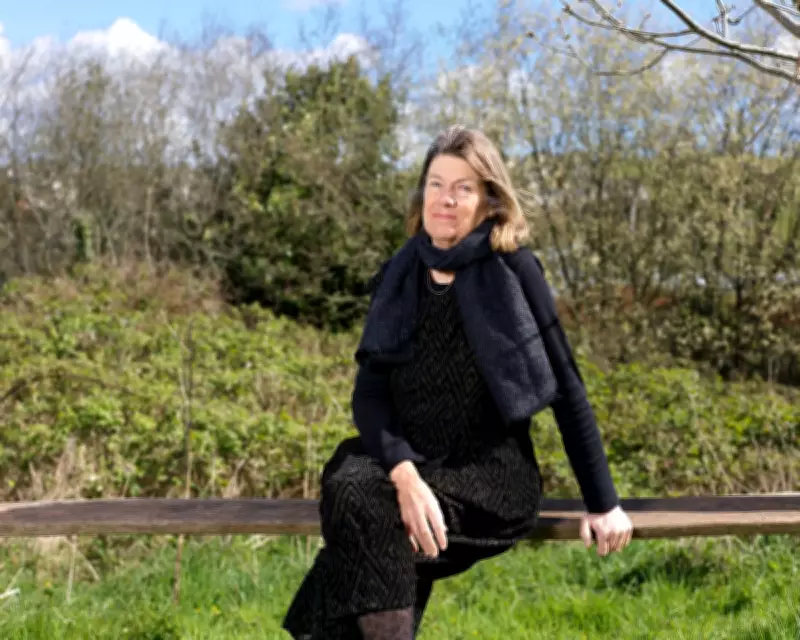
In a stark interview, Liberal Democrat peer Baroness Sue Miller has issued a dire warning about the escalating risks of nuclear conflict, emphasizing that global efforts to reduce these dangers are faltering. The 72-year-old lifelong campaigner against nuclear weapons, speaking from her home in Totnes, Devon, points to a concerning lack of public discourse on non-proliferation and disarmament, with world powers instead focusing on modernization and buildup.
The Doomsday Clock Ticks Closer to Midnight
The Bulletin of the Atomic Scientists' Doomsday Clock currently stands at a mere 85 seconds to midnight, the closest it has ever been to symbolic global destruction. This alarming position predates recent conflicts, such as the war in Iran, and reflects heightened tensions worldwide. Russia's veiled threats of tactical nuclear use following its invasion of Ukraine, along with drone incursions into NATO nations, have increased European threat perceptions without spurring meaningful de-escalation talks.
Baroness Miller notes that even non-nuclear European countries are now discussing "nuclear latency," aiming to develop rapid nuclear capabilities. Meanwhile, the nine nuclear-armed nations, including the P5 countries—China, the UK, Russia, the US, and France—are prioritizing modernization over risk reduction. "There is talk of nuclear weapons in space and hypersonic technology," Miller explains, highlighting advancements that make detection harder and escalation more likely.
Historical Context and Current Challenges
Miller recalls a time when figures like Gordon Brown and Margaret Beckett actively engaged in nuclear risk reduction, but today, such voices seem distant. As a patron of the new all-party parliamentary forum on global nuclear non-proliferation and arms control, she works with international bodies like Parliamentarians for Nuclear Non-Proliferation and Disarmament, which includes members from countries like Bangladesh, South Korea, and Japan, all facing nuclear-armed neighbors.
She criticizes the "doublespeak" in non-proliferation efforts, where reducing weapon numbers but increasing their power still counts as progress under outdated treaties. The risk of miscommunication or misinterpretation, such as mistaking geese for missiles during the Cold War, remains a grave concern. Miller references Chatham House studies on near-misses, underscoring how awareness of nuclear effects has diminished, making Armageddon seem less imminent despite growing dangers.
From Activism to Political Advocacy
Miller's journey into politics began in the 1980s when she ran a bookshop in Sherborne, Dorset, and later engaged with her MP, Paddy Ashdown. Inspired by events like the arrival of US missiles at RAF Greenham Common, she became involved in anti-nuclear activism, though she never camped there due to family commitments. That era saw seismic geopolitical shifts, with leaders like Reagan and Thatcher pushing for treaties, but today, Miller laments, "Disarmament is so far off the agenda, we just need to talk about risk reduction now."
She observes that opposition to nuclear weapons has become associated with fringe left groups, particularly after Jeremy Corbyn's tenure, making it a "non-starter" for many parliamentarians. However, Miller argues this is a non-partisan issue, urging citizen movements to counter governmental aggression and threat perception. "For most people, I think they would find being blown up very unacceptable," she states, calling for a return to grassroots awareness.
Budgetary and Transparency Issues
Miller highlights the financial strain of nuclear programs, noting that plans in the UK's Strategic Defence Review could consume 30-40% of the defence budget, depleting conventional forces. "Every pound spent on Trident is not going into the conventional army or navy," she says, emphasizing how this shifts nuclear options from last to only resort. Transparency has also eroded, with limited parliamentary discussion on hosting American weapons at RAF Lakenheath in Suffolk, despite activist tracking by groups like Nukewatch.
She criticizes the UK's vote against a UN study on the humanitarian consequences of nuclear war, joined only by France and Russia, while 144 states supported it. "Why did we want to bury our head in the sand?" Miller asks, stressing the need for public understanding of mutually assured destruction.
Call for Action and Future Prospects
As chair of the P5 Process, the UK faces an upcoming non-proliferation treaty review meeting in New York. Miller advocates for modernized dialogue, with countries clarifying their nuclear postures, ideally adopting a "last resort, not first use" stance. She warns that without renewed commitment to non-proliferation, the world risks proliferation to 20 nuclear states, increasing the likelihood of war or accident by century's end. "We would all be in the destruction zone," she concludes, urging public engagement and noise to drive change.