NATO Faces Unprecedented Strain as Trump Ramps Up Rhetoric
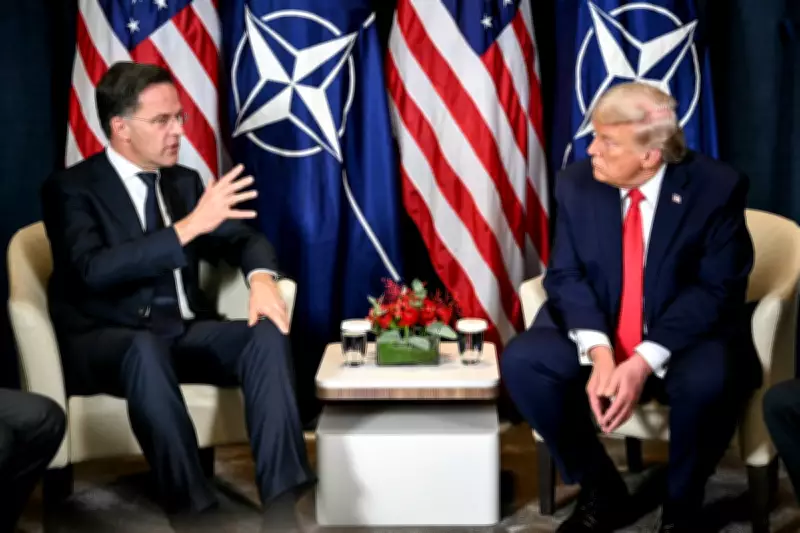
In a high-stakes meeting at the White House on Wednesday, NATO Secretary General Mark Rutte attempted to placate former President Donald Trump, whose vehement attacks on the alliance have intensified over the US-Israel war against Iran. The closed-door session, described by a European official as "nothing but a tirade of insults," failed to smooth tensions, highlighting the deep fissures within the transatlantic partnership.
Trump's Escalating Complaints and Threats
Trump has long accused NATO allies of freeloading on defense spending, but his rhetoric has grown more strident following Tehran's closure of the Strait of Hormuz in response to military actions. In a Truth Social post, he blasted NATO in capitals, omitting any definitive withdrawal threat but fueling anxieties with references to past grievances like Greenland. Analysts note that while Trump's criticisms are not new, the threatening tone has escalated, raising concerns about a potential rupture in the 77-year-old alliance.
The Strategic Imperative of NATO Survival
Despite the air of panic, NATO's physical survival seems assured due to practical military necessities. The United States maintains 80,000 troops and numerous bases in Europe, crucial for projecting global power. In a speech to the Ronald Reagan Presidential Foundation, Rutte acknowledged European slowness in supporting the Iran war but argued that Trump's "bold leadership" has spurred progress, such as a commitment for members to spend 5% of GDP on defense by 2035. He emphasized that NATO endures not in spite of Trump's outbursts, but because of the hard power realities they underscore.
Moral Wounds and Trust Erosion
Trump's verbal assaults, including belittling NATO as a "paper tiger" and making bellicose threats against Iran, have inflicted moral wounds that corrode the trust essential to the alliance. Historian Francis Fukuyama warned that the current crisis represents a "fundamental rupture" in North Atlantic security, as NATO was never designed for offensive wars like the one in Iran. Charles Kupchan of the Council on Foreign Relations added that allies now question US reliability amid political dysfunction, fearing a shift toward realpolitik that mystifies traditional partners.
Long-Term Implications and European Dilemmas
Experts predict a domestic backlash in the US against Trump's NATO hostility, potentially leading to a more traditional posture under a successor administration. However, suspicions may persist, forcing allies to reassess American dependability. Kristine Berzina of the German Marshall Fund cautioned that western European nations risk widening the breach by engaging in a war of words with Trump, which could leave eastern members exposed to Russian aggression. She stressed that Europe remains "stuck with the United States" due to indispensable security needs, making cooperation essential despite the stress.
In summary, while Trump's threats have shaken NATO to its core, the alliance's strategic and military interdependencies suggest it will endure, albeit with deepened scars and ongoing challenges to its unity and values.