Markwayne Mullin Takes Oath as Homeland Security Secretary Amid Political Standoff
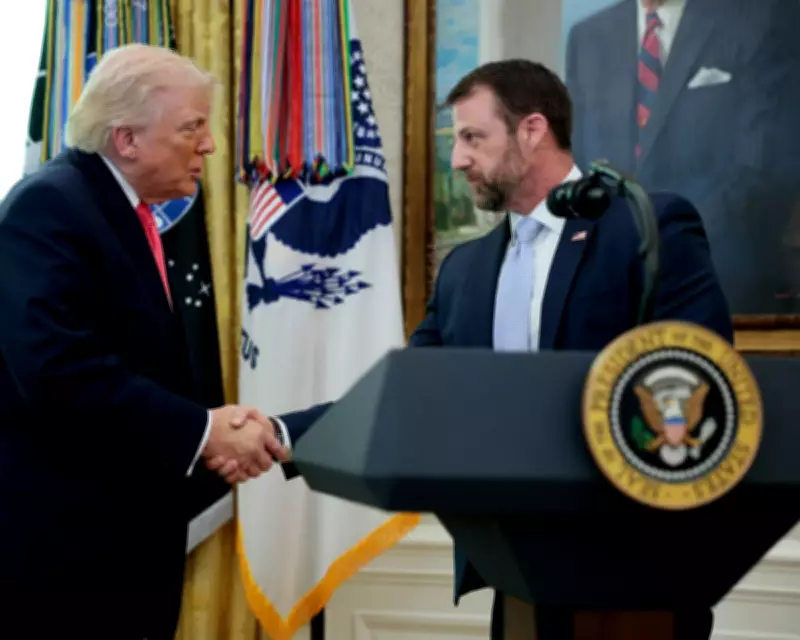
In a ceremony at the White House on Tuesday, former President Donald Trump administered the oath of office to Markwayne Mullin, officially installing him as the new secretary of the Department of Homeland Security. The swearing-in occurred against a backdrop of intense political friction, as Senate Republicans simultaneously unveiled a compromise funding proposal aimed at ending the agency's partial shutdown.
Republican Funding Proposal Emerges as Airport Chaos Escalates
Senate Majority Leader John Thune announced that Republicans had presented Democrats with legislative text for a compromise that would restore funding to most DHS operations. This development follows weeks of deadlock since mid-February, primarily over Democratic demands for immigration enforcement reforms. These demands were triggered by the deaths of two US citizens in Minneapolis involving federal agents.
The funding lapse has precipitated significant disruptions at airports nationwide, with Transportation Security Administration checkpoints experiencing hours-long queues. In response, Trump deployed Immigration and Customs Enforcement agents on Monday, claiming this move would alleviate congestion. The Republican proposal, however, notably excludes the immigration reforms sought by Democrats, instead offering partial funding for ICE and Customs and Border Protection.
Mullin Vows Unwavering Commitment to DHS Employees
During brief remarks after his swearing-in by Attorney General Pam Bondi, with Trump in attendance, Mullin—a former Republican senator from Oklahoma—addressed DHS personnel who have been working without pay due to the political impasse. "I told them, as you're fighting 365 days, understand I'll be fighting 365 days beside you," Mullin asserted. "No one's going to outwork me, and I'm not going to let any of them outwork me. The president has entrusted me with this, and failure is not an option."
Thune emphasized that the GOP's offer aligns with what Democrats have previously requested, though he criticized their lack of interest in substantive reforms. "It became very clear to us that they really weren't interested in reforms," Thune stated. "If they want to have a conversation about some of the reform ideas that they had put in front of us, then that would be contingent upon actually providing funding for ICE."
Trump's Evolving Stance and Democratic Resistance
The compromise proposal materialized following a late Monday meeting between Republican senators and Trump at the White House. Initially, Trump had insisted that any deal with Democrats be conditional on their support for the Save America Act, which would impose new voter ID mandates. However, Trump appeared to soften this position on Tuesday, telling reporters, "I'm going to look at it and we're going to take a good hard look at it. I guess they're getting fairly close but I think any deal they make, I'm pretty much not happy with it."
Democratic leaders expressed skepticism toward the Republican offer. Senate Minority Leader Chuck Schumer described the airport security lines as "untenable" and awaited details of the GOP's proposal. Patty Murray, the top Democrat on the appropriations committee, reiterated the party's demands for legislative reforms, including requirements for judicial warrants, agent identification, and stricter use-of-force policies. "The current Republican offer in front of us does not do that. We have made some progress, and the White House has already agreed to some steps. Bottom line: reforms must make it into law," Murray insisted.
Background and Political Implications
The DHS shutdown has not halted ICE operations entirely, as Republicans allocated substantial funding to the agency through the One Big Beautiful Bill Act passed last year. Meanwhile, in Oklahoma, Governor Kevin Stitt appointed energy executive Alan Armstrong to succeed Mullin in the Senate. State law prohibits Armstrong from running for a full term, setting the stage for a November election to fill the seat permanently.
As the political drama unfolds, the focus remains on whether Democrats will accept the Republican funding compromise without the immigration enforcement reforms they have championed. The outcome will significantly impact homeland security operations and the broader landscape of US immigration policy.