Middle East Violence Intensifies Following Trump's Iran Negotiation Claims
Violence has escalated dramatically across the Middle East, with Iranian missile barrages targeting Israel, Gulf Arab states, and northern Iraq on Tuesday. This surge in hostilities comes just one day after former US President Donald Trump asserted that the United States was engaged in "very good" talks with Iran to swiftly conclude the regional war.
Tehran Firmly Denies Any Negotiations with Washington
Multiple official sources within Iran have categorically denied that any negotiations are currently underway with American officials. Mohammad Bagher Ghalibaf, the Iranian parliament speaker who has been mentioned as a potential intermediary with the US, explicitly stated on social media: "No negotiations have been held with the US ... fake news is used to manipulate the financial and oil markets."
This deep-seated distrust stems from previous diplomatic engagements that preceded military actions. Iran was in talks with the US before the surprise attack that initiated the current conflict, resulting in the death of Supreme Leader Ali Khamenei and numerous senior officials. Additionally, Iran was engaged in negotiations last year when US and Israeli forces attacked its nuclear facilities, sparking a twelve-day war.
Esmail Kowsari, a member of Iran's parliamentary national security and foreign policy committee, emphasized this skepticism, telling the semi-official Fars news agency: "We must think wisely. Their nature is to sow discord so that they can make people distrust officials and believe that such actions have taken place, whereas no such action has occurred."
Military Actions Continue Unabated Across the Region
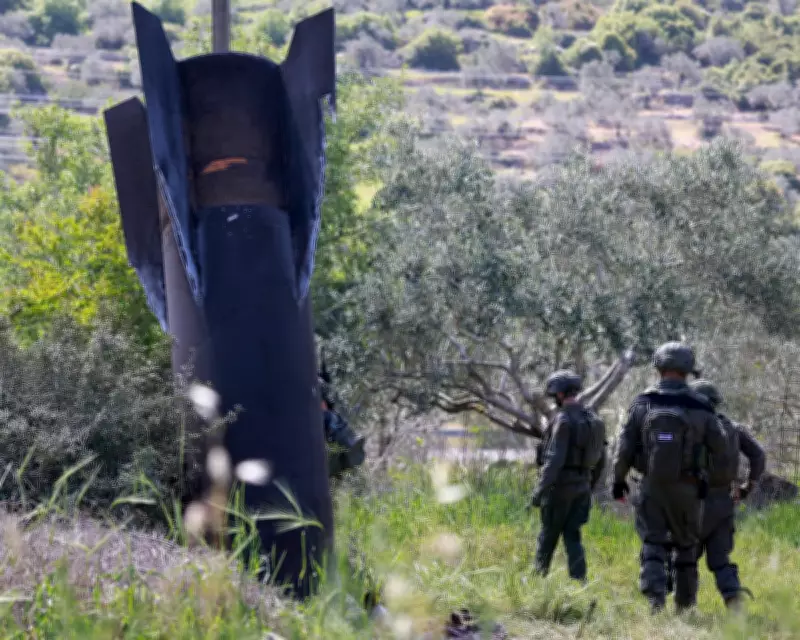
Despite the diplomatic claims, military operations have intensified significantly. Israeli soldiers were photographed inspecting Iranian missile remnants that landed in the West Bank village of Hares, while Israeli emergency personnel responded to a missile strike in central Tel Aviv that blew out apartment windows and sent smoke billowing through the streets.
Israeli Prime Minister Benjamin Netanyahu declared that Israel would continue striking Iran and Lebanon, where its offensive targets Hezbollah, the Iran-backed Islamist militant movement. "There's more to come," Netanyahu asserted, even as the US considers potential ceasefire options.
Israeli airstrikes targeted Beirut's southern suburbs, with one attack on a residential apartment southeast of the Lebanese capital killing at least two people according to the Lebanese health ministry. Additional strikes hit the village of Kfar Tibnit in southern Lebanon and the Palestinian refugee camp of Mieh Mieh near Sidon.
Regional Impact and Economic Consequences
The conflict has created widespread disruption across the Middle East. In Kuwait, power lines were damaged by air defense shrapnel, causing electricity outages. Missile alert sirens sounded in Bahrain, while Saudi Arabia's defense ministry reported destroying nineteen Iranian drones targeting its oil-rich Eastern province.
Oil prices have surged to $104 per barrel in morning trading, representing an increase of more than 40% since Israel and the US initiated the war on February 28th. Energy analysts are warning of persistent and profound disruption to oil and gas supplies from the region, even if hostilities end rapidly, with severe economic repercussions anticipated worldwide.
Diplomatic Channels and International Mediation Efforts
Despite Tehran's public denials, potential intermediaries including Pakistan, Oman, Egypt, and other nations have confirmed preliminary efforts to establish communication channels between Washington and Tehran. Analysts note that deep divisions among surviving senior officials in Tehran could explain some of the defiant Iranian reactions to negotiation rumors.
Iranian Foreign Minister Abbas Araghchi has been discussing the conflict in recent days with counterparts from Azerbaijan, Egypt, Oman, Pakistan, Russia, South Korea, Turkey, and Turkmenistan, according to his office. In Islamabad, officials raised the possibility of a meeting between Iranian officials and key US figures including Steve Witkoff, Trump's special envoy, Jared Kushner, and JD Vance.
A European official told Reuters that while no direct negotiations have occurred between the two nations, Egypt, Pakistan, and Gulf states have been relaying messages between the parties. This diplomatic activity follows weekend threats between the US and Iran regarding potential strikes that could disrupt electricity to millions and damage desalination plants providing drinking water to desert nations.
On Monday, Trump extended a deadline for Iran to open the Strait of Hormuz for shipping or face airstrikes on its power stations, briefly driving down oil prices and boosting stock markets. The revised deadline is now set to expire on Friday.
Continued Military Buildup and Infrastructure Attacks
The United States continues to reinforce its military presence around Iran, with approximately 5,000 Marines en route to the region, while launching new attacks. Iranian media reported on Tuesday that Israeli-US strikes targeted two gas facilities and a pipeline, just hours after Trump stepped back from his threat to attack power infrastructure.
The Fars news agency reported that facilities in central Iran were "partially damaged," while an attack also targeted the gas pipeline of the Khorramshahr power plant in southwestern Iran. The agency did not provide sources for these reports and was the only Iranian news outlet to cover the incidents.
As the conflict enters a dangerous new phase, the international community watches anxiously, with global energy markets already feeling the strain and diplomatic efforts facing significant obstacles amid continued violence and mutual distrust between the primary adversaries.