
Strategic Importance of Iran's Kharg Island Amid US Strikes and Oil Export Dynamics
President Donald Trump has announced that US forces conducted a bombing raid on Iran's Kharg Island, describing it as a "tailored strike" that targeted military installations while deliberately sparing the island's crucial oil infrastructure. This decision underscores the complex geopolitical and economic stakes involved in the Persian Gulf region.
Why Kharg Island Is a Critical Asset for Iran
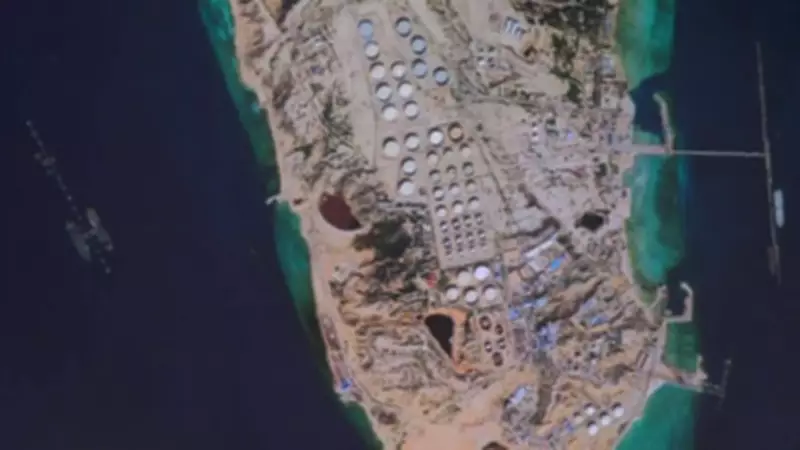
Kharg Island, a five-mile-long coral formation in the north of the Persian Gulf, serves as the primary export terminal for approximately 90% of Iran's oil shipments. With a capacity to load around seven million barrels per day, the island can accommodate up to 10 supertankers simultaneously, thanks to its deep waters that allow access for large vessels unable to dock at Iran's shallow mainland coasts.
Before the recent conflict, Kharg handled most of Iran's daily crude exports of about 1.7 million barrels, with China being the major recipient. Iranian oil constitutes 11.6% of China's seaborne imports in 2026, according to data from tanker tracker Kpler. This economic linkage means that any disruption to Kharg's operations could strain US-China relations, as noted by military analysts.
US Strikes and the Decision to Avoid Oil Infrastructure
In his statements, President Trump emphasized that US forces "obliterated" military targets on Kharg Island, including air defences, a naval base, an airport control tower, and a helicopter hangar, but chose not to "wipe out" the oil infrastructure. This strategic restraint was likely motivated by concerns over escalating oil prices and potential retaliation from Iran.
Iran has warned of severe retaliation if its oil infrastructure on Kharg is damaged, threatening to target the oil and gas assets of companies cooperating with the US in the region. Such a move could further destabilize the Strait of Hormuz, a vital waterway through which 20% of global oil flows, and which Tehran has previously shut down.
Economic Implications and Global Oil Markets
Hitting Kharg's oil infrastructure would likely cause oil prices to surge, exacerbating market volatility after prices reached a four-year high. Experts, including those from JP Morgan, warn that direct strikes on the island could halt the bulk of Iran's crude exports, triggering severe economic repercussions and increased tensions.
Despite the conflict, oil exports from Kharg have continued, with operations persisting at a rate of 1.1 million to 1.5 million barrels per day since US-Israeli strikes began in late February. Satellite imagery confirms that multiple tankers are still loading at the island, and its storage capacity of roughly 30 million barrels remains largely intact.
Historical Context and Future Risks
Kharg Island has long been viewed as a key vulnerability for Iran, critical to funding its government and military. During the Iran-Iraq war in the 1980s, the island was targeted by Saddam Hussein's forces, but exports continued at over 1.5 million barrels per day, demonstrating its resilience.
Experts suggest that seizing Kharg Island would require ground troops, making it a high-risk endeavour for the US. Iranian politicians have already threatened to capture US troops if such an attempt is made, highlighting the island's strategic importance in any future negotiations or conflicts.
In summary, Kharg Island remains a focal point in the ongoing tensions between the US and Iran, with its oil infrastructure representing a delicate balance between military action and economic stability in the global oil market.




