Daily Life in Israel Disrupted by Persistent Missile Alerts and Sirens
In Israel, the blaring of sirens has become a routine part of daily existence, signaling incoming missiles and forcing citizens to abandon their activities and seek immediate shelter. This pattern of life, marked by alerts that ring out across the country both day and night, underscores the ongoing tensions in the region. Eyewitness accounts from Tel Aviv reveal a chaotic scene where drivers pull over on busy motorways, scrambling for ditches or embankments when traditional bunkers are inaccessible.
Missile Interceptions and the Danger of Falling Debris
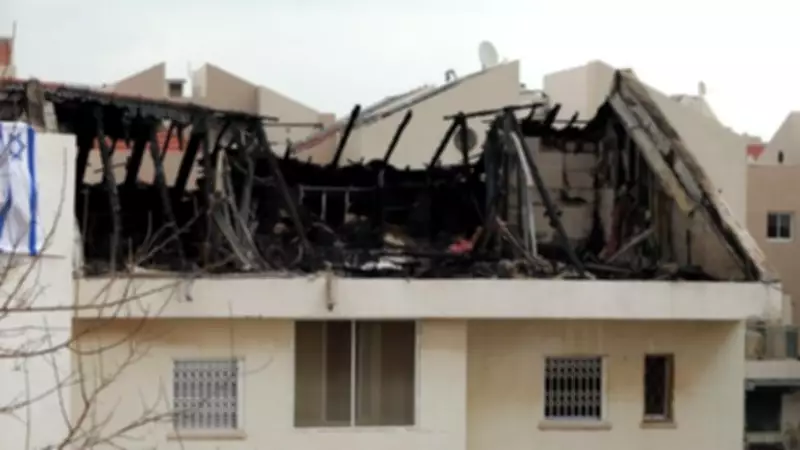
Despite widespread confidence in Israel's advanced defense systems, which are designed to intercept missiles from adversaries like Iran and Hezbollah, some projectiles manage to penetrate these defenses. The aftermath of an interception often brings another peril: falling debris from the skies, which can land unpredictably and cause significant damage. For instance, in a recent incident, debris from an intercepted missile ignited a storage container, sparking a blaze that threatened nearby homes.
Kobi Hassonah, a resident affected by such debris, expressed frustration, questioning the precision of the attacks. "Do they even know what they're aiming at?" he remarked, highlighting the random nature of the destruction. This sentiment is echoed by many Israelis who, while trusting in their country's defensive capabilities, remain vigilant against the risks of collateral damage.
Psychological Warfare and Civilian Resilience
Iran's missile campaigns, though not resulting in large-scale casualties compared to Israel's strikes on Iran and Lebanon, are effectively engaging in psychological warfare. The constant threat of attacks keeps the population on edge, driving them to seek safety in shelters, whether in underground car parks or designated safe rooms. Not all residents have access to these facilities, adding to the stress of daily life.
In an underground car park in Rishon LeZion, south of Tel Aviv, 46-year-old Alex Proskurov shared a defiant perspective. "We don't really care about sitting in a bomb shelter for months," he stated. "As long as we finish the job once and for all." His advice to others is simple: "Don't be a hero and it's going to be fine." This resilience is a common thread among Israelis, who adapt to the disruptions while maintaining a focus on long-term security goals.
Eyewitness Accounts of Fear and Destruction
Personal stories from the ground illustrate the tangible impacts of these attacks. Keshet, a 21-year-old woman, described the terror when part of an Iranian cluster bomb landed near her home. "There was a boom," she recalled. "We ran outside and saw the fire. It was like an earthquake - it was very frightening." Such incidents, though often localized, contribute to a broader atmosphere of uncertainty and fear.
Firefighters are frequently seen dousing flames from vehicles and buildings damaged in these strikes, with soldiers sealing off affected areas to prevent further harm. The local population has, so far, escaped major injuries, but the psychological toll is evident. As the conflict enters its third week, there is little complacency among citizens, who continue to heed warnings and prioritize safety over normalcy.
Overall, the situation in Israel reflects a complex interplay of defensive confidence and persistent threats, with daily life shaped by the realities of modern warfare and the enduring spirit of its people.