Iran's Strait of Hormuz Disruption Triggers Unprecedented Global Energy Crisis
The critical Strait of Hormuz, a vital maritime artery linking the Persian Gulf and the Indian Ocean, has been severely disrupted by Iran, plunging the world into a major energy crisis. This situation demands a high-risk military intervention, yet the West currently exhibits a lack of determination and a coherent long-term strategy to address the escalating threat.
Historical Context and Current Turmoil
Five years ago, the grounding of the container ship Ever Given in the Suez Canal highlighted the fragility of global shipping routes. Today, the Strait of Hormuz faces a more deliberate and dangerous obstruction. Iran announced its closure on March 2, during the third day of a US and Israeli military operation, later refining it to a ban on shipping from the United States, Israel, and their Western allies. While vessels from China, Turkey, and India have navigated safely, attacks on ships from Malta, Thailand, and Liberia have occurred, causing maritime insurance premiums to skyrocket and traffic to dwindle to near zero.
This strait typically carries approximately 20 percent of the world's seaborne trade in oil and liquefied natural gas (LNG). Michael Froman, President of the Council on Foreign Relations, has described this as "what could be an unprecedented and escalating global energy crisis," with oil prices soaring since President Trump authorised Operation Epic Fury on February 28.
The Military Dilemma and Western Inaction
President Trump has indicated a willingness to reopen the Strait of Hormuz by force, initially seeking allied assistance before angrily denying any need for help. This erratic approach underscores a broader issue: the West cannot afford to remain passive. The potential economic fallout from this energy shortage could surpass the oil shocks of 1973 and 1979, yet Western nations seem unprepared.
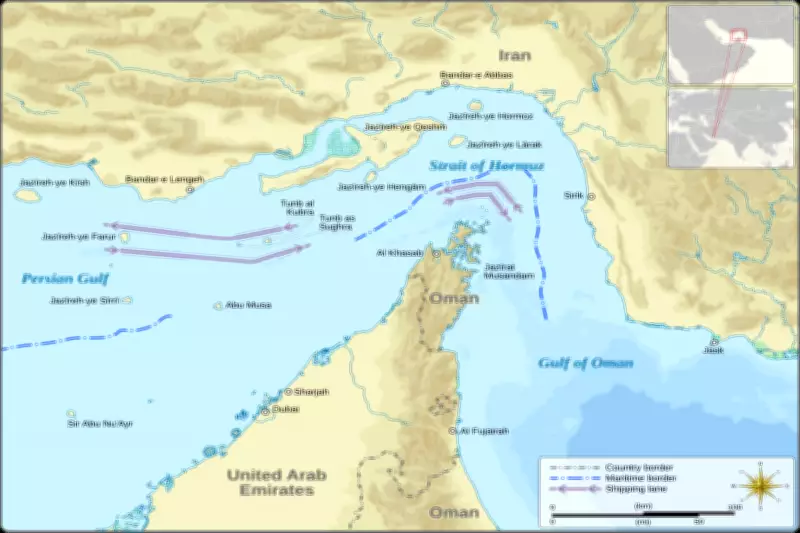
Iran has historically held the ability to disrupt the strait, which is 104 miles long but only 24 miles across at its narrowest point, as a strategic dagger against the oil-dependent West. While the US has conducted wargames, such as Millennium Challenge 2002, which revealed significant vulnerabilities, current military capabilities are questionable. Dr Emma Salisbury of the Foreign Policy Research Institute notes the diminished mine countermeasures capability of the US Navy, and UK defence chiefs have reportedly refused to deploy warships due to extreme dangers.
Risks and Resource Challenges
Escorting commercial shipping through the narrow strait would expose naval vessels to threats from drones, missiles, and swarm attacks by speedboats. Former Royal Navy officer Tom Sharpe warns of a "resource problem," citing the need to escort 100 ships daily across three threat environments—air, surface, and subsurface. Even with an armada deployed by Trump, the risks remain immense.
International law, including Article 37 of the UN Convention on the Laws of the Sea and the 1907 Hague Convention VIII, prohibits impeding maritime traffic and laying mines to intercept commercial shipping. However, the disruption of energy supplies makes reopening the strait essential, yet Western nations appear to be ignoring this urgency.
The Path Forward: Uncertainty and High Stakes
The conundrum is clear: the West cannot allow the Strait of Hormuz to remain closed, but a military solution requires enormous resources, meticulous planning, and unwavering determination. Iran holds many cards, and while America should not bear the burden alone, potential contributing nations demand answers on strategy, timing, and anticipated outcomes. Unless Iran capitulates—unlikely given its losses and Trump's demand for "unconditional surrender"—there seems no alternative to a risky intervention, but much work remains to be done.