
Thousands Defiant at Funeral for Slain Iranian Security Chief and Navy Crew
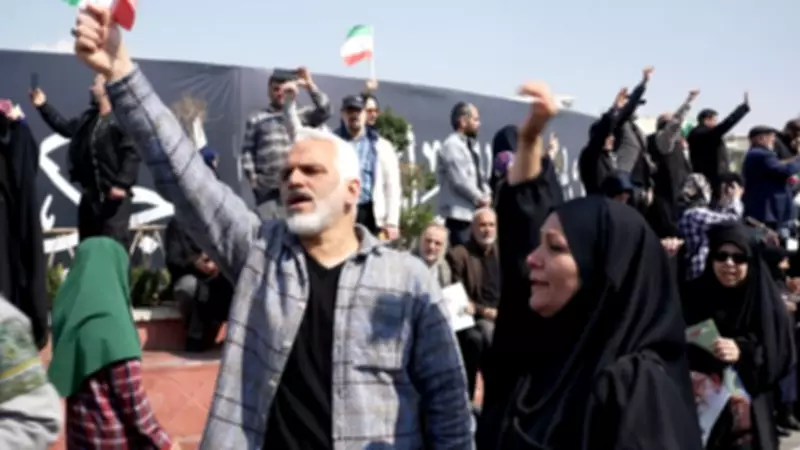
In a powerful display of defiance, thousands of Iranians gathered in Tehran's Revolution Square for the funeral of senior security official Ali Larijani and the crew of a sunken navy ship, honoring them as martyrs amid ongoing conflict with the United States and Israel. The event, held on Wednesday, March 18, 2026, drew some of the largest crowds since the war began, with mourners expressing unwavering support for the government despite recent losses.
Emotional Scenes and Political Messages
Floats carrying the coffins of the slain officials were driven through the square, surrounded by grieving attendees. Women wept while holding posters of both the former and new supreme leaders, blending sorrow with political symbolism. One man held a placard with a stark message for the US president, declaring, "Trump, soon we will kill you; Netanyahu is not our target anymore, our target is you. You killed our children to mock us and we will kill you to teach you a lesson in history." This rhetoric underscores the deep-seated anger and resistance fueling public sentiment.
Unity and Resilience Amid Conflict
Mohammed and his wife, Hamideh, attended with their children to show solidarity, telling reporters that the assassination of Larijani, killed in an airstrike two days prior, demonstrated the weakness and impotence of their enemies. Mohammed stated, "The method of our weak enemy martyring him shows its weakness and impotence. The way he was killed was very unfair and is unacceptable anywhere in the world." The funeral highlighted how Iran's government, despite losing leaders, aims to project resilience and the ability to outlast adversaries.
Historical Context and Cultural Resistance
Sepora, a protester holding a placard with an old Persian poem, explained its meaning: "It says, 'if we are killed, all of us one by one, it's better than giving our country to the enemy'. It is our country, we will not surrender." This culture of resistance, on full display during the event, points to the limitations of military strategies focused on aerial bombardment to force submission. The scenes in Tehran suggest that, while Iran faced significant anti-government protests before the war, many citizens now rally behind the leadership, partly due to economic dependence and nationalistic fervor.
Broader Implications for Regional Stability
The funeral underscores the complex dynamics in the Middle East, where Israel and America pursue regime change in Iran, yet the government retains considerable grassroots support. As authorities report thousands of civilian and security force deaths in pre-war crackdowns, opposition groups blame the government, while officials insist foreign forces instigated the unrest. Today's events reveal a populace united against perceived external aggression, challenging assumptions about Iran's internal fragility and highlighting the enduring appeal of martyrdom in Shia Islam.




