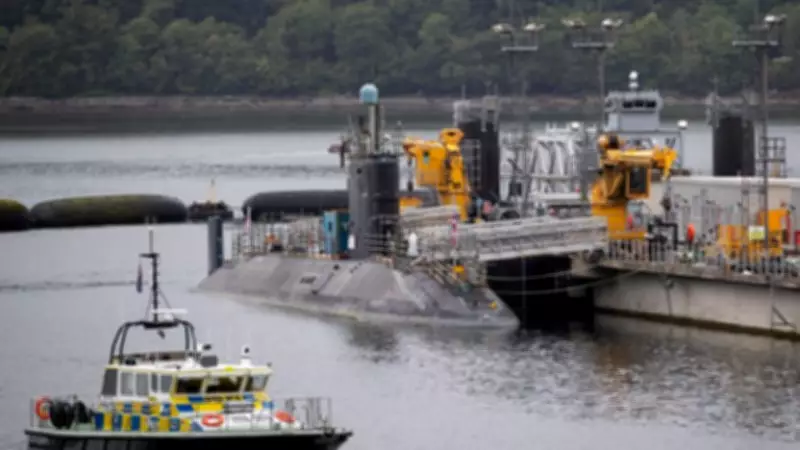
Police Scotland have formally charged two individuals following a serious security incident at one of the United Kingdom's most critical military installations. A 34-year-old Iranian national and a 31-year-old Romanian woman face charges related to attempting to gain unauthorized entry to HM Naval Base Clyde, commonly known as Faslane.
Incident Timeline and Arrests
The attempted breach occurred on Thursday, with authorities receiving reports around 5:00 PM regarding two persons trying to access the heavily secured facility. Following an immediate investigation, both suspects were arrested on Friday. Police Scotland confirmed that enquiries into the matter remain active and ongoing.
Court Appearance Scheduled
The charged pair are scheduled to appear before Dumbarton Sheriff Court on Monday. The base, located on the Gare Loch in Argyll and Bute, Scotland, serves as the primary homeport for the UK's submarine fleet, including the Vanguard-class vessels that carry the Trident nuclear deterrent system.
Strategic Importance of Faslane
Defence and security analysts emphasize Faslane's paramount strategic significance. Michael Clarke, a prominent defence analyst, described it as "the biggest military base in Scotland" and "probably Britain's most important single installation." The facility employs approximately 6,000 to 7,000 personnel, comprising both civilian staff and military members.
"We have seven attack submarines. And if they're all out of maintenance, then this is where they operate from," Clarke added, underscoring the base's operational centrality to national defence. The Royal Navy had previously acknowledged an unsuccessful attempt by two individuals to enter the site.
Broader Security Context
This incident occurs within a complex international security landscape. Recent tensions have included reports of Iranian targeting of UK air bases, highlighting ongoing geopolitical strains. The charging of an Iranian national in connection with a breach attempt at a nuclear facility will likely draw significant attention from security services and diplomatic channels.
The Faslane base is not only a operational hub but also a symbol of the UK's nuclear deterrent capability. Any attempted incursion is treated with the utmost seriousness, triggering robust police and military responses. The case raises immediate questions regarding motive, potential coordination, and the effectiveness of perimeter security at high-value national infrastructure sites.
As legal proceedings commence, authorities will be scrutinizing the details of the attempted entry, the individuals' backgrounds, and any potential wider connections. The incident serves as a stark reminder of the persistent security challenges facing critical national assets, even on home soil.