Iranian Missile Strikes Tel Aviv as Netanyahu Vows Escalation
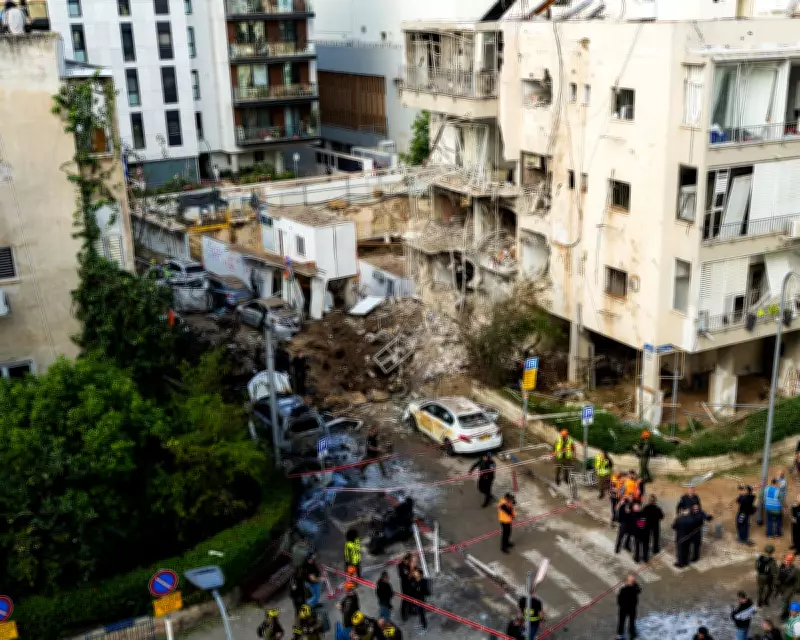
Security and rescue personnel swiftly responded after an Iranian missile struck a building in Tel Aviv, Israel, on Tuesday morning. The attack has intensified the ongoing conflict in the region, with Israeli Prime Minister Benjamin Netanyahu vowing further strikes on Iran and Lebanon, thereby diminishing hopes for a peaceful resolution.
Details of the Tel Aviv Attack
Police reported that an Iranian munition carrying a substantial explosive payload hit the central city, causing widespread damage to buildings and vehicles. At least six people sustained light injuries, and several structures across Tel Aviv were damaged. Emergency services confirmed casualties at one of the impact sites, where one building and the adjacent road were heavily affected, with cars set ablaze. Additionally, fragments from intercepted missiles fell in Rosh Ha'ayin, resulting in minor damage but no reported injuries.
A thick plume of smoke rose over Tel Aviv's skyline, reinforcing the grim reality that the end of the war remains distant. Israel's health ministry disclosed that 4,829 injured individuals have been brought to hospitals since the conflict began, with 111 still hospitalized and 12 in serious condition.
Netanyahu's Response and Regional Escalation
In a statement, Netanyahu declared, "There's more to come," aligning with remarks from three Israeli officials who expressed skepticism about Iran accepting US demands in any new negotiations. This stance follows Iran's Islamic Revolutionary Guard Corps warning of heavy missile and drone attacks on Israeli troops in northern Israel and near Gaza unless Israel ceases operations in Lebanon and Palestine.
The strikes mark the latest in a cycle of retaliation after Israeli operations announced on Monday. Approximately 40 minutes after former US President Donald Trump indicated he would delay action against Iran's power infrastructure, Israel announced on X that it had "just begun another wave of strikes targeting infrastructure of the Iranian terror regime across Tehran." The Israel Defense Forces noted that energy facilities would be spared, suggesting alignment with Washington in suspending attacks on Iranian power plants.
Broader Impact and Casualty Reports
The conflict has extended beyond Israel's borders. On Monday, Iranian strikes reached Gulf states: Bahrain's interior ministry reported extinguishing a fire at a company site after an attack, with no immediate casualties; Kuwait experienced power line damage from air defence shrapnel, causing temporary outages; missile alert sirens sounded in Bahrain; and Saudi Arabia intercepted and destroyed 19 Iranian drones targeting its oil-rich eastern province.
According to the US-based Human Rights Activists' News Agency, at least 206 attacks occurred across 15 Iranian provinces in the previous 24 hours, resulting in at least four casualties. Iran's Fars news agency reported six deaths in strikes on homes in Tabriz. Since US-Israeli bombs began falling on Iran, estimates of total deaths exceed 1,500, with some rights groups reporting figures as high as 3,230 as of March 21.
Military Claims and Ongoing Tensions
In a Telegram statement, the Israeli military claimed to have targeted military bases, weapons sites, ballistic missile storage facilities, and Iranian regime headquarters across Iran. Israel asserts it has eliminated over 70% of Iran's ballistic missile launchers and nears total control of Iranian airspace, yet Tehran continues to penetrate Israel's defences.
This escalation underscores the deepening crisis in the Middle East, with diplomatic efforts, including Pakistan's army chief attempting to broker peace talks in a call with Trump, struggling to gain traction. The situation remains volatile as both sides prepare for potential further confrontations.