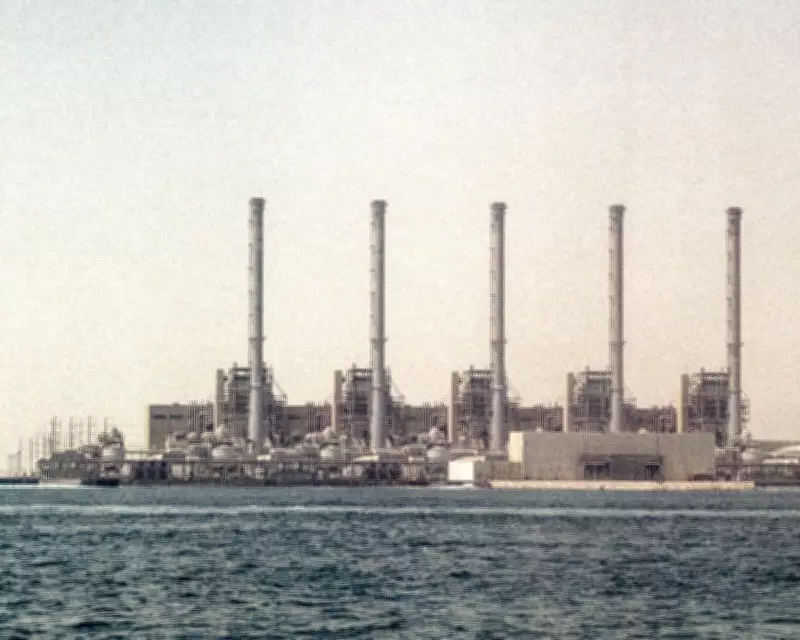
In a significant escalation of regional tensions, Iran has issued a direct threat to destroy water facilities in the Gulf area. This announcement has sparked immediate concerns among neighboring countries and international observers regarding water security and the potential for severe environmental consequences.
Escalating Regional Tensions
The threat from Iran comes amid ongoing geopolitical disputes in the Middle East, with water resources becoming a focal point of conflict. Iranian officials have explicitly warned that they are prepared to target critical water infrastructure in the Gulf, which could disrupt the water supply for millions of people and cause widespread ecological damage.
Potential Impact on Water Security
Water facilities in the Gulf region are essential for providing fresh water to coastal communities and supporting agricultural and industrial activities. An attack on these facilities could lead to a humanitarian crisis, with shortages affecting daily life and economic stability. Experts warn that such actions might exacerbate existing water scarcity issues in an already arid region.
Environmental and Economic Risks
Beyond the immediate threat to water access, destroying water facilities poses significant environmental risks. Contamination of water sources could harm marine ecosystems and biodiversity in the Gulf. Economically, disruptions could impact sectors reliant on water, such as agriculture and tourism, leading to financial losses and increased regional instability.
International Reactions and Diplomatic Efforts
The international community has responded with alarm to Iran's threat, with calls for de-escalation and diplomatic solutions. Several countries have urged Iran to reconsider its stance and engage in dialogue to address underlying issues without resorting to violence. The situation highlights the broader challenges of managing water resources in conflict-prone areas.
Historical Context and Future Implications
This is not the first time water has been used as a leverage point in regional disputes, but the explicit threat to destroy facilities marks a dangerous precedent. Analysts suggest that if carried out, it could trigger retaliatory measures and further destabilize the Gulf region. Long-term implications include the need for enhanced security measures around critical infrastructure and international cooperation on water management.
As tensions continue to rise, the focus remains on preventing any aggressive actions and finding peaceful resolutions to safeguard water resources and regional stability.