
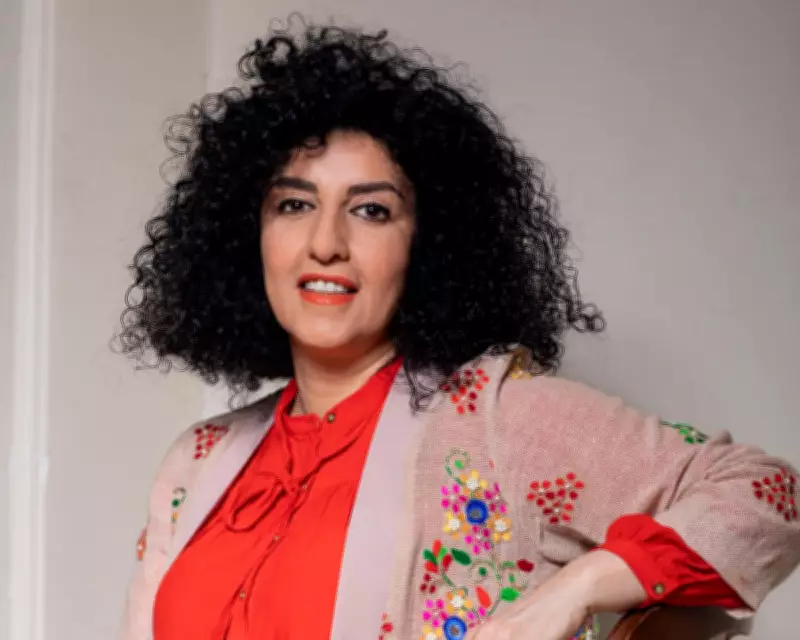
Nobel Peace Prize laureate Narges Mohammadi has been sentenced to more than seven additional years in prison by Iranian authorities, according to statements from her supporters released on Sunday. The prominent women's and human rights activist, who has been on hunger strike since early February, faces this latest conviction as Tehran escalates its suppression of dissent following widespread protests and violent state crackdowns.
Details of the New Sentence and Charges
Mohammadi's lawyer, Mostafa Nili, confirmed the verdict on social media platform X, revealing that a court in the city of Mashhad issued the sentence on Saturday. The charges include six years for "gathering and collusion" and one and a half years for "propaganda against the state," accompanied by a two-year travel ban. Additionally, she has been sentenced to two years of internal exile in Khosf, a remote location approximately 740 kilometres southeast of Tehran.
Iranian officials have not immediately acknowledged or commented on this latest judicial ruling. The sentence comes amid heightened tensions, with Iran engaging in nuclear programme negotiations with the United States while adopting a defiant stance against Western powers.
Background of Arrest and Activism
Mohammadi was arrested in December at a memorial ceremony honouring Khosrow Alikordi, a 46-year-old Iranian lawyer and human rights advocate based in Mashhad. Footage from the demonstration captured her vocally demanding justice for Alikordi and other victims of state repression.
Prior to this arrest, supporters had expressed concerns for months that the 53-year-old activist might be returned to prison. She had been granted a temporary medical furlough in December 2024, which was initially intended to last only three weeks but extended possibly due to international pressure. Remarkably, she remained out of detention even during the intense 12-day conflict between Iran and Israel in June.
During her period of relative freedom, Mohammadi continued her activism through public protests and appearances in international media. She notably demonstrated in front of Tehran's notorious Evin prison, where she had previously been incarcerated. At the time of her latest arrest, she was serving a 13-year and nine-month sentence for charges related to collusion against state security and anti-government propaganda.
Health Concerns and Hunger Strike
Supporters report that Mohammadi initiated a hunger strike on 2 February, protesting her conditions and treatment. Her health has been a significant concern; she has suffered multiple heart attacks while imprisoned and underwent emergency surgery in 2022. In late 2024, her lawyer disclosed that doctors had discovered a bone lesion suspected to be cancerous, which was subsequently removed.
Nili has argued that given her serious medical conditions, she should be temporarily released on bail to receive proper treatment. However, Iranian authorities have shown no indication of leniency, instead signalling a tougher approach against all forms of dissent since the nationwide protests sparked by the 2022 death of Mahsa Amini.
Broader Context of Repression
Mohammadi's case exemplifies Iran's intensifying crackdown on human rights defenders and political activists. She has been a vocal supporter of the women-led protests following Amini's death, which saw unprecedented defiance of compulsory hijab laws. The new convictions against her coincide with Iran's diplomatic manoeuvres, including nuclear talks with the US, where Iranian officials have emphasised their "ability to say no to the great powers."
This sentencing underscores the challenging environment for activists in Iran, where international acclaim offers little protection against state persecution. As Mohammadi's hunger strike continues, her situation highlights the ongoing struggle for freedom of speech and human rights in the region.




