Iran Unleashes Ballistic Missile Barrage on Middle Eastern Energy Infrastructure
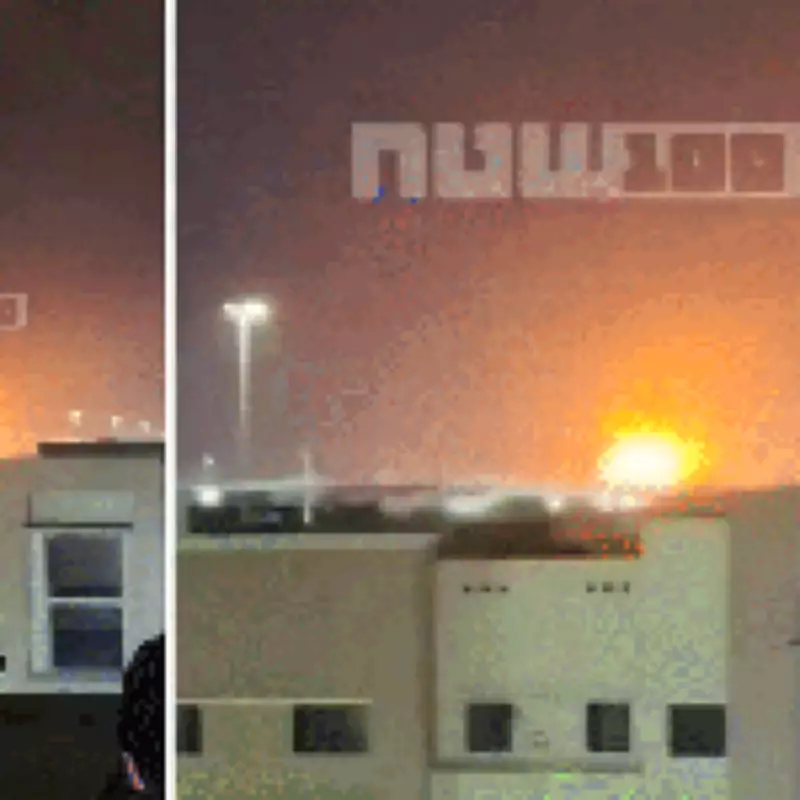
In a dramatic escalation of regional tensions, Iran launched coordinated ballistic missile strikes late Tuesday targeting critical energy facilities across the Middle East, with Qatar's massive Ras Laffan natural gas complex sustaining extensive damage according to eyewitness reports and video evidence.
Major Strikes Hit World's Largest Gas Facility and Saudi Capital
The attacks centered on Qatar's Ras Laffan Industrial City, home to the world's largest natural gas processing and export facility, where multiple explosions illuminated the night sky. Simultaneous strikes rocked Riyadh, the capital of Saudi Arabia, marking a significant expansion of Iran's military operations beyond previous skirmishes.
These aggressive actions followed explicit Iranian warnings issued earlier in the day, calling for the evacuation of numerous oil and gas installations across Saudi Arabia, the United Arab Emirates, and Qatar. The specifically threatened facilities included Saudi Arabia's Samref Refinery and Jubail Petrochemical Complex, the UAE's Al Hosn Gas Field, and Qatar's Mesaieed Petrochemical Complex, Mesaieed Holding Company, and Ras Laffan Refinery.
International Response and Diplomatic Fallout
The United Kingdom's Ministry of Defence confirmed no British casualties or damage to UK assets at Al Minhad Air Base in the UAE, which hosts permanent Royal Air Force facilities. However, the broader international response revealed significant fractures in traditional alliances.
Britain has categorically refused military involvement, with Prime Minister Keir Starmer stating the UK "will not be drawn into the wider war" without proper international legal backing and a comprehensive strategic plan. This position has created notable tension with the United States, where former President Donald Trump expressed particular disappointment with the British stance.
"The U.K. was sort of considered the Rolls-Royce of allies," Trump remarked, revealing he had requested British minesweeping support. "I was not happy with the UK. They should be involved enthusiastically. We've been protecting these countries for years."
European and Global Reactions
European Union foreign policy chief Kaja Kallas articulated the continent's cautious position, stating, "This is not Europe's war. We didn't start the war. We were not consulted." France indicated military involvement would require a significant de-escalation first, while China has ignored calls for assistance despite being approached.
The situation represents a complex diplomatic challenge for Prime Minister Starmer, who had previously cultivated ties with Trump and secured an early trade agreement with the previous US administration. His current refusal to join what he characterizes as a regional conflict "with no clear endgame" marks a significant shift in UK foreign policy positioning.
As the Middle East faces renewed instability with direct attacks on global energy infrastructure, international leaders grapple with balancing regional security concerns against the risks of broader military entanglement. The extensive damage reported at Ras Laffan alone could have significant implications for global energy markets and regional economies.