Iranian Missile Attack Wounds 12 US Soldiers at Saudi Air Base
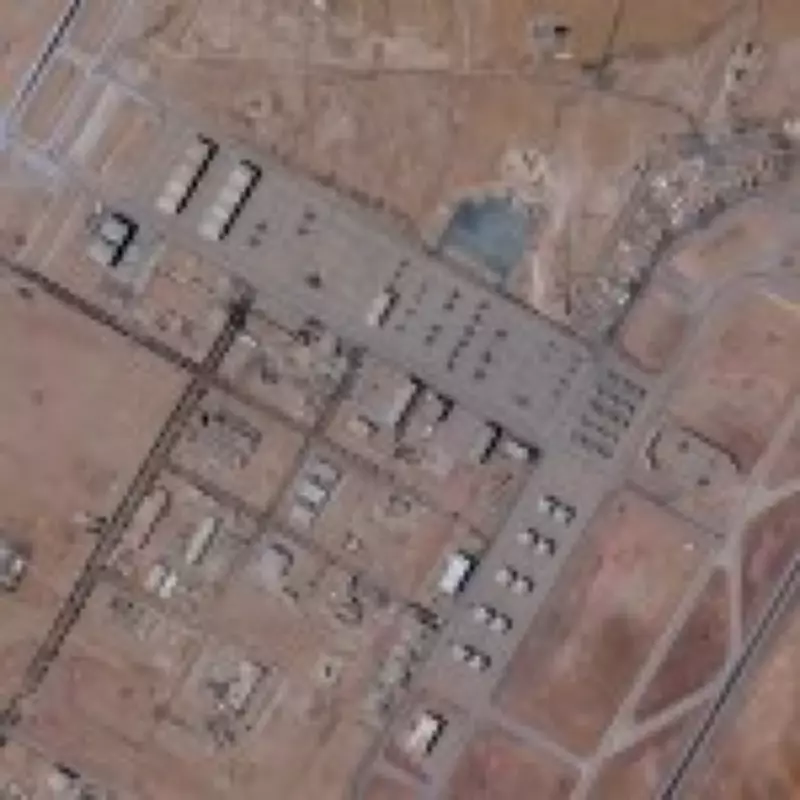
In a significant escalation of hostilities, an Iranian missile strike targeted the Prince Sultan Air Base in Saudi Arabia yesterday, resulting in injuries to twelve United States military personnel. Among the wounded, two soldiers sustained serious injuries, and the assault also caused damage to American aircraft stationed at the facility. This incident marks another violent episode in the ongoing conflict that began with former President Donald Trump's Operation Epic Fury on February 28, which has since led to at least 303 American casualties from retaliatory actions by Iran across the Middle East.
Yemen Joins the Fray with Strike on Israel
Simultaneously, Yemen confirmed its involvement in the regional conflict by firing a missile toward Israel yesterday, representing the first direct participation by the country in the war. This development broadens the scope of the conflict, introducing new geopolitical dynamics and raising concerns about further destabilization in the region.
US and Iranian Officials Issue Stark Warnings
US Secretary of State Marco Rubio addressed the situation, expressing confidence that the war would conclude within "weeks not months." He stated, "We have objectives and we are very confident we are on the verge of achieving them." In contrast, President Donald Trump criticized NATO allies for their lack of support, labeling the alliance a "paper tiger" and calling their stance a "big mistake."
Iran responded to recent strikes on its territory with a stern warning, accusing the US and Israel of "playing with fire." Iranian state media reported attacks on a decommissioned heavy-water nuclear research reactor and a yellowcake uranium production facility late Friday, though no casualties or contamination risks were confirmed by Iran's Atomic Energy Organisation. Iranian Foreign Minister Abbas Araqchi threatened retaliation on social media, emphasizing, "Iran will exact HEAVY price for Israeli crimes."
International Concerns Over Escalation
Polish Prime Minister Donald Tusk voiced apprehension about the potential for increased conflict, noting, "I have reasons to believe, also based on information we've received from our allies, that stabilization is unlikely in the coming days. On the contrary, a new escalation may occur." This statement underscores the growing international anxiety as the situation continues to evolve, with previous incidents, including a March 1 strike that killed US Army Sergeant Benjamin N Pennington, highlighting the persistent danger.